How to Eliminate Odor From an Office Chair
An odor-free workspace supports focus and comfort. This guide explains practical steps to remove smells from office chairs using common cleaners, natural remedies, and protective maintenance.
Quick Answer
Identify the odor source, use an upholstery deodorizer or enzyme cleaner for fabric, and finish with a fabric steam clean or air-dry method. Ventilate the room during treatment and test cleaners on an inconspicuous area first.
What You’ll Need
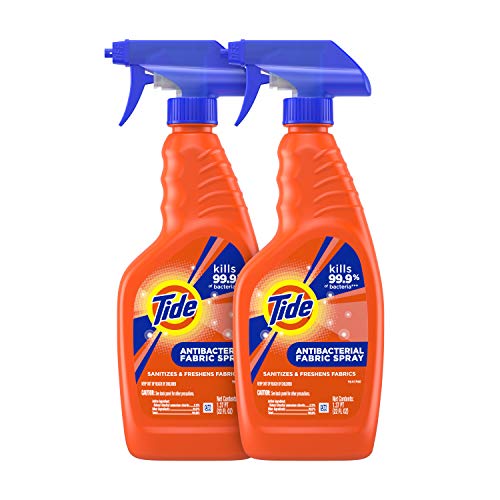
- upholstery fabric deodorizer spray for office chair
- portable fabric steam cleaner for chair upholstery
- odor eliminating enzyme cleaner for fabric furniture


Before You Start
Choose a well-ventilated area and remove the chair from its base if possible. Pad or cover nearby surfaces to protect them from spills. Test each product on a small, hidden fabric area for colorfastness. Time estimates vary; plan 30–60 minutes for light odors and up to a few hours for deep smells, including drying time. Avoid saturating upholstery to prevent mold or mildew growth.
Step-By-Step: How To Eliminate Odor From An Office Chair
- Vacuum the chair thoroughly to remove loose dust and particles from all fabric surfaces.
- Apply a light mist of the upholstery fabric deodorizer spray for office chair to neutralize surface odors.
- Allow the deodorizer to sit for the product-recommended time, then blot with a clean cloth to lift moisture.
- If odors persist, spray the odor eliminating enzyme cleaner for fabric furniture according to label directions on the affected areas.
- Use the portable fabric steam cleaner for chair upholstery on a low-heat setting to lift embedded odors without soaking the fabric.
- Let the chair air-dry completely in a well-ventilated area, preferably with a fan circulating air.
- Repeat treatment for stubborn smells, focusing on seams and underside cushions where odors tend to linger.
- Inspect for any dampness or residue; wipe away excess moisture and dry thoroughly before reassembling the chair.
- Once fully dry, run a light vacuum over the fabric to restore texture and remove any remaining particles.
- Consider placing a breathable fabric cover or chair guard to protect against future odors until the chair is rotated or replaced as needed.
- Schedule periodic maintenance: monthly quick cleanings or after office events that may introduce strong smells.
- Store cleaners out of reach of children and pets, and follow all label safety instructions during use.
Troubleshooting
| Symptom | Likely Cause | Fix | Prevention |
|---|---|---|---|
| Smell returns after cleaning | Odor deeper in cushion padding | Apply enzyme cleaner to inner padding if accessible, repeat steam cleaning | Regular preventive cleaning and avoiding moisture buildup |
| Fabric damp or sticky after treatment | Over-wetting or insufficient drying | Wipe excess moisture and increase air circulation until completely dry | Use minimal liquid and longer drying times |
| Discoloration on fabric | Cleaner reacted with fabric dye | Test on hidden area; switch to fabric-safe products | Perform spot tests first and follow product directions |
| Unpleasant chemical odor | Strong cleaner residue | Aerate space and rinse with water if allowed by fabric | Choose milder formulas and allow thorough drying |
Common Mistakes
- Over-saturating fabric with liquids, which traps moisture and causes mold
- Using harsh cleaners on delicate upholstery without testing first
- Skipping drying time, leaving the chair to dry in an enclosed space
- Ignoring padding or seams where odors can hide
Tips For Best Results
- Test any cleaner in an inconspicuous area before full application to prevent discoloration.
- Work in stages: treat surface odors first, then address embedded smells with enzyme cleaners.
- Combine methods: deodorize, steam-clean, and air-dry for best outcomes.
- Maintain good office ventilation to help odors dissipate more quickly.
- Regular maintenance reduces buildup and keeps chairs smelling fresh longer.
Call A Professional
Consider professional cleaning if odors persist after multiple attempts or if the chair is heavily upholstered and valuable. Stop treatments and contact a pro if there is visible staining, persistent moisture, or concern about fabric damage.
FAQ
What home remedy can remove office chair odors?
A combination of upholstery deodorizer spray, enzyme cleaner for fabric furniture, and light steam cleaning can tackle most common odors.
Is steam cleaning safe on fabric chairs?
Yes, when used on a low-heat setting and with minimal moisture, steam cleaning can lift odors without damaging fabric.
How often should I clean an office chair to prevent odors?
Light monthly maintenance helps; deep cleaning is advisable every 3–6 months depending on usage and odor exposure.
Can I use essential oils to mask odors?
Masks odors temporarily, but they do not remove odor sources; use them in addition to proper cleaning only if the chair material allows.
Buying Guide
When selecting products to combat office chair odors, consider size, noise, energy use, controls, and placement. For spray products, choose formulas labeled safe for upholstery and colorfast fabrics. A portable fabric steam cleaner should be compact, easy to maneuver, and compatible with chair materials without high heat. Enzyme cleaners excel at breaking down organic odors on fabric, but require adequate drying time to prevent moisture buildup. Think about where you’ll use the chair—under desks, meeting rooms, or shared spaces—and pick products that are easy to store and pull out for routine maintenance. If odor recovery is frequent, consider a preventive approach with covers or breathable chair wraps. Finally, compare ease of use, drying times, and replacement schedules to keep odors at bay without disrupting work. Are you choosing a kit that combines deodorizing spray, enzyme cleaner, and a portable steamer for flexible cleaning sessions?
Leave a Reply