How to Get Rid of Black Box Dye Safely and Effectively
Box dye, especially deep black shades, can be stubborn and long-lasting. This guide explains practical methods to fade or remove permanent black dye from hair while preserving hair health. It covers quick fixes, professional options, and how to care for your hair after color removal.
Quick Answer
For the fastest, safest results, start with a color remover kit designed for permanent hair dye, followed by a clarifying wash and deep conditioning. If the shade remains stubborn, consider a professional dye remover or consult a salon for strand testing before attempting another method.
A Quick Reference List: What You’ll Need
The following tools and products help address permanent black dye and are commonly found in dye-removal workflows.
- Hair color remover kit permanent black dye
- Color stripper cream permanent hair dye removal
- Professional hair dye remover for black dye
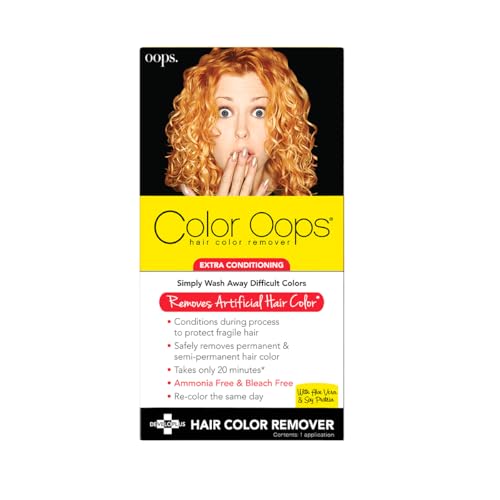
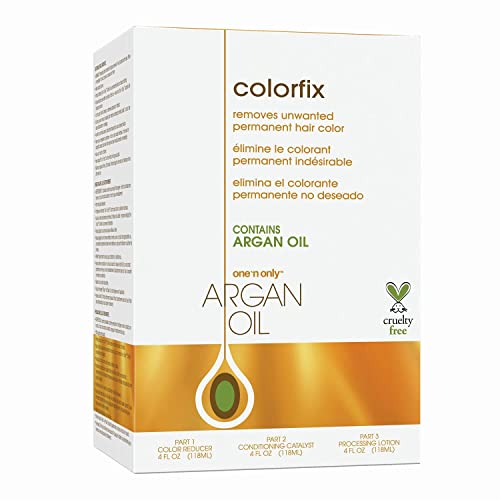
Before You Start
Assess your current hair condition and color goals. If your hair is damaged or bleached, proceed with extra caution and consider patch testing a small strand first. Time estimates vary by formula but most removal processes take 30–90 minutes per session, with follow-ups as needed. Important cautions: never mix color removers with bleach or peroxide, and always follow product directions. Perform a strand test to anticipate results and prevent unwanted color shifts.
Step-By-Step: How To Remove Black Box Dye
- Prepare your area with towels, gloves, and a timer. Read the product instructions thoroughly before starting.
- Do a strand test on a small section of hair to gauge lift and any adverse reaction. Record the timing as a reference for the full application.
- Wash hair with a clarifying shampoo to remove surface buildup. This helps color removers work more evenly.
- Apply the hair color remover kit or color stripper cream evenly from roots to tips, using the recommended amount and technique. Ensure complete saturation for uniform results.
- Cover your hair with a processing cap or wrap if instructed, and monitor the timer closely. Do not exceed the recommended processing window to avoid excessive damage.
- Rinse thoroughly with cool water once the processing time ends. Follow with a gentle shampoo and a deep conditioner or bond-building treatment to restore moisture.
- If color remains, repeat the procedure after a full conditioner rest session or consult a professional for strand-by-strand assessment. Avoid multiple consecutive treatments on the same day.
- Perform a post-removal color test. If you plan to dye again, choose a shade that complements your undertones and follow the product’s coloring instructions carefully.
- Maintain hair health with regular conditioning, heat protection, and a balanced routine to prevent future color damage.
- Schedule a professional consultation if you encounter uneven patches, severe damage, or unexpected color results during removal.
Troubleshooting
| Symptom | Likely Cause | Fix | Prevention |
|---|---|---|---|
| Uneven fading or blotches | Incomplete saturation or uneven penetration | Reapply remover to problem areas following instructions | Section hair and apply product evenly; perform strand tests |
| Purple or orange tints | Underlying pigments showing through | Use a targeted toner or consult a pro for shade-morrecting treatment | Do not mix multiple products; follow timing carefully |
| Extreme dryness or breakage | Over-processing or aggressive formula | Stop process, deep condition, and limit future sessions | Limit sessions and choose gentler formulas when possible |
| No noticeable change | Products not effective for the hair’s level of pigment | Switch to a different remover designed for permanent dyes | Test on a strand; consider professional options |
Common Mistakes To Avoid
- Over-processing the hair, which can lead to breakage and frizz
- Skipping a strand test, risking unpredictable results
- Using color removers on freshly permed or chemically treated hair without guidance
- Combining multiple products without waiting for the recommended intervals
Properly following product instructions minimizes damage and improves predictability during removal.
Tips For Best Results
- Limit wash frequency after removal to preserve moisture and pigment balance
- Use a bond-building conditioner or protein-rich treatment after each removal session
- Keep color-removal sessions spaced out to avoid over-processing
- Consider a toner or glaze after removal to neutralize unwanted undertones
- Protect hair from heat by using a heat protectant when styling
Call A Professional
Seek professional help if you notice excessive damage, inconsistent color, or if you want to switch to a drastic shade. Stop signs include persistent brittleness, large patches of discoloration, or uncertain color outcomes after a removal attempt. A licensed colorist can assess strand health, suggest safer alternatives, and execute precise color correction.
FAQ
Can I remove permanent black dye at home?
Yes, with a color remover kit or color stripper cream, but results vary and risk damage exists. A strand test helps predict outcomes.
Will black dye come out completely with a single treatment?
Often not; multiple sessions may be needed, especially with deep black shades. Space treatments and prioritize hair health.
Should I dye my hair again right away after removal?
Wait until hair recovers from processing. Choose a shade that suits your undertones and uses conditioning treatments beforehand.
Is professional dye removal safer for black dye?
Professionals can tailor the approach and minimize damage, particularly for stubborn black shades or compromised hair.
What maintenance helps after removal?
Deep conditioning, protein treatments, heat protection, and a color-safe routine support healthier results post-removal.
Buying Guide
When choosing a method to remove black box dye, consider several factors to balance effectiveness with hair health. Key points include
- Size and packaging: Look for kits with clear mixing ratios and enough applications for your hair length.
- Noise level and scent: Some products have strong odors or fumes; choose gentler formulas if sensitive.
- Energy efficiency: Not directly applicable, but efficient, compact kits reduce waste and processing time.
- Controls: Favor products with explicit timing windows and safety directions; keep a timer handy.
- Placement: Use in a well-ventilated area; ensure space to lay out tools and wash stations.
- Material compatibility: Check compatibility with previously treated hair and any bond-building or conditioning steps you plan to follow.
- Hair condition: If hair is damaged, prioritize gentler formulas and conditioning therapies before removal.
- Future coloring: Decide whether to proceed with a lighter shade or a gloss to even tone after removal.
Reviews and safety data sheets can help compare products like hair color remover kits and color stripper creams. Consider strand tests and consult a professional if unsure about results or hair integrity.
Leave a Reply