How to Clean Crazy Glue: Safe Methods and Quick Fixes
Crazy glue, or cyanoacrylate adhesive, can bond quickly to skin, fabric, and surfaces. Proper cleanup requires patience and the right solvents and tools to avoid damage. This guide provides practical steps, safety notes, and common issues with cleaning dried cyanoacrylate from various materials.
Readers will learn a straightforward approach using common solvents and tools, plus guidance on when to seek professional help for tricky situations such as furniture finishes or delicate plastics.
Quick Answer
To remove dried crazy glue, start with a gentle solvent like acetone-based cyanoacrylate glue remover solvent. For sensitive plastics, use a dedicated debonder designed for plastics, and on stubborn spots, a plastic scraper can help lift excess glue without scratching surfaces. Always test on a small area first and wear protective gloves.
What You’ll Need
- Acetone-based cyanoacrylate glue remover solvent 4 oz
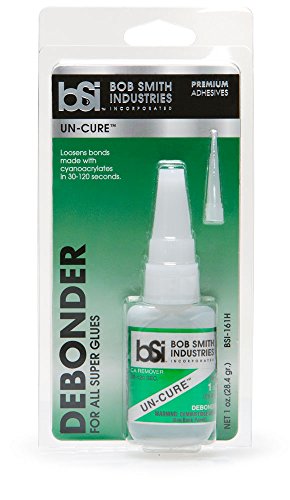
- Cyanoacrylate debonder glue remover for plastics
- Plastic scraper and adhesive remover kit for dried glue removal


Before You Start
Do not use acetone on delicate finishes like satin wood, lacquer, or certain fabrics, as it can dissolve finishes or melt synthetic fibers. If you have sensitive skin, wear gloves and work in a well-ventilated area. For skin bonds, avoid pulling skin apart to prevent tearing. Time estimates vary by surface and glue thickness; plan for 15–60 minutes for initial loosening.
Caution: Acetone can damage some plastics and coatings. Always perform a spot test on an inconspicuous area before full application. If a large surface or valuable item is involved, consider professional help.
Step-By-Step: How To Clean Crazy Glue
- Identify the surface and choose a solvent appropriate for the material. Start with acetone-based remover for non-plastic surfaces and the plastics-safe debonder for plastics.
- Apply a small amount of solvent to a cotton swab or lint-free cloth and dab the glue only on the affected area. Do not saturate the surface.
- Allow the solvent to sit for 1–3 minutes to soften the bond. If the glue remains stubborn, reapply in small amounts.
- Gently lift the softened glue with a plastic scraper, working from the edge inward. Avoid metal tools that could scratch the surface.
- For skin or fabric, rub very lightly with a cloth after the glue loosens to avoid tearing fibers or irritating skin.
- Wipe away dissolved glue and solvent with a clean cloth. Repeat steps if needed until the area is clean.
- Rinse the area with water if the surface tolerates moisture, then pat dry. For fabrics, launder according to the fabric care label if the glue loosens.
- Check for any remaining residue. If present, repeat the appropriate solvent application and gentle scraping.
- Dispose of used solvents and cloths safely according to local regulations. Ensure proper ventilation during use.
- Inspect the surface for finish integrity. Reapply a protective coating or polish if the surface is prone to dulling after solvent exposure.
- For persistent residue on hard surfaces, consider a second pass with the adhesive remover kit that targets dried residue specifically.
Troubleshooting
| Symptom | Likely Cause | Fix | Prevention |
|---|---|---|---|
| Streaks or residue after cleaning | Partial bonding or insufficient solvent contact | Reapply solvent and allow extra dwell time; use a fresh cloth | Test spot first; apply solvent in thin layers |
| Surface discolored or softened | Incompatible solvent with finish | Stop immediately; rinse with water; seek professional advice | Always check compatibility before use |
| Glue re-bonds after drying | Residue left behind or insufficient lifting | Gently re-scrape with plastic scraper after softening | Use appropriate debonder for plastics |
| Glue on skin is painful to remove | Strong bond and skin sensitivity | Soak in warm, soapy water; use a gentle debonder designed for skin contact | Avoid forced removal |
Common Mistakes
- Using metal tools that scratch surfaces while scraping dried glue
- Applying excessive solvent, which can damage coatings or fabrics
- Rushing the process instead of letting solvents work
- Testing solvents on visible surfaces without a prior inconspicuous patch
Tips For Best Results
- Work in a ventilated area to minimize solvent fumes.
- Always start with the gentlest method and move to stronger solvents if needed.
- For fabrics, test whether the glue can be washed out before applying solvent.
- Keep solvents away from eyes; if contact occurs, rinse immediately with water and seek care if irritation persists.
Call A Professional
Seek professional help if the glue covers a large area, is embedded in a porous surface such as unfinished wood, or involves antique furniture and expensive finishes. If skin exposure is extensive or there is a risk of chemical inhalation, contact a medical professional or poison control for guidance.
FAQ
Can I use acetone on plastic surfaces?
Yes, but only with plastics-safe products or small test patches. Some plastics may warp or discolor, so proceed with caution.
What if the glue is on fabric that cannot be laundered?
Use a plastics-safe debonder or adhesive remover kit, then blot and rinse carefully before air-drying.
Is heat helpful for removing dried glue?
Heat can soften glue, but it may spread it or damage surfaces. Use controlled heat only if the product instructions permit.
How long does it take for glue to cure fully on skin?
Curing can occur within minutes to hours depending on humidity and skin condition; avoid forcing removal to prevent skin injury.
Can I reuse the area after cleaning?
Yes, once the glue is fully removed and the surface is dry, you can reapply coatings or adhesives as needed.
Buying Guide
When choosing products to clean crazy glue, consider factors such as the size of your typical spill, surface types, and ease of use. Look for an acetone-based remover for general use, a plastics-safe debonder for plastics, and a plastic scraper kit for effective residue lifting. Consider kit combinations that include both solvents and a scraper to cover most cleanup scenarios. For larger projects, a 4 oz bottle is a common starting size that balances convenience and value. Always read safety instructions and ensure compatibility with your materials. Would you benefit from a dedicated plastics-safe debonder or a versatile adhesive remover kit?
Leave a Reply