How to Overcome Art Block and Reignite Creativity
Creative blocks can stall progress and dampen motivation. This guide provides practical, step-by-step techniques tailored for artists looking to break through stagnation with accessible tools and methods.
By leveraging simple routines and hands-on approaches, artists can reconnect with their practice, experiment with new materials, and regain momentum without frustration or guesswork.
Quick Answer
Start with a low-pressure warm-up routine, try a constraint-based exercise, then use targeted tools to stimulate your hands and mind. If blocks persist, switch to a new medium for fresh perspective before returning to your primary work.
What You’ll Need
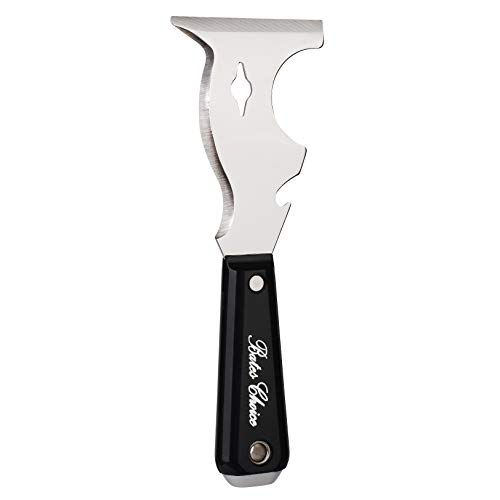
- artblock removal scraper tool
- artist block relief printmaking gouges set
- printmaking carving tools lino cutters set


Before You Start
Set up a dedicated, distraction-free workspace and choose a comfortable, well-lit area. Schedule a 20–60 minute block for the exercise, and keep a notebook ready to capture ideas and observations. Safety first: handle sharp carving tools with care and use gloves if needed. Prepare a clean workspace to minimize interruptions and keep materials organized to reduce friction.
Step-By-Step: How To Overcome Art Block And Reignite Creativity
- Define a loose goal for the session, such as exploring a color palette or a single motif, to remove perfectionist pressure.
- Begin with a rapid, 5–10 minute warm-up sketch or doodle that uses only shapes and lines, not finished ideas.
- Use a different medium for a short experiment, for example, switch from painting to printmaking or vice versa to spark new connections.
- Incorporate a constraint, such as limited color names or a restricted surface size, to shift thinking and foster problem-solving.
- Try texture-focused exercises with the artblock removal scraper tool or carving tools to explore tactile possibilities.
- Create a small, complete piece that embraces imperfection; use it as a confidence booster and a learning artifact.
- Review the finished piece and extract one actionable insight to apply to your main project.
- Set a timer for a focused 25-minute work block and use the found insight to start a new iteration.
- Invite a collaborator or critique partner to provide a fresh perspective without judgment.
- Schedule a recurring, short creativity session to build momentum and reduce the fear of starting.
- Document outcomes and ideas in a visual journal to track progress and avoid repeating the same block.
- Return to your primary project with a new approach, prioritizing curiosity over perfection.
Troubleshooting
| Symptom | Likely Cause | Fix | Prevention |
|---|---|---|---|
| Ideas feel repetitive | Comfort with routine; low variety | Introduce a new constraint or medium | Rotate exercises weekly |
| Frustration or self-criticism | Perfectionist expectations | Pause, use quick warm-ups, and reset goals | Set small, achievable targets |
| Difficulty starting | Overwhelm or unclear direction | Choose one tiny starting action | Prepare a simple starter prompt |
| Nothing feels enjoyable | Burnout or fatigue | Take a deliberate break or switch media | Schedule restorative breaks |
Common Mistakes
- Jumping straight to a finished piece rather than warming up with quick experiments
- Forcing a style instead of exploring curiosity
- Ignoring safety when using carving tools or scrapers
- Rushing through steps to reach a “perfect” outcome
- Closing off options too quickly after a setback
Tips For Best Results
- Schedule regular, short practice sessions to maintain momentum without burnout
- Keep a “ideas bank” with sketches, phrases, and color swatches for quick inspiration
- Mix technique exploration with personal meaning; blend novelty with your core interests
- Document what works and what doesn’t to refine future sessions
- Use the tools listed as both creative aids and learning prompts to expand skills
Call A Professional
If blocks persist for weeks and affect daily life or work commitments, consider consulting with an art coach, therapist, or mentor who specializes in creativity and workflow. Seek professional help if blocks lead to persistent anxiety, burnout, or significant time loss.
FAQ
What causes art block?
Art block can arise from stress, burnout, fear of failure, or routine fatigue that dulls inspiration.
Can I overcome a creative block quickly?
Short, focused sessions with new constraints or media can jump-start momentum, but lasting change often requires ongoing practice.
Are there tools that help with blocks?
Tools like the artblock removal scraper tool and carving sets can stimulate tactile exploration and new ideas.
When should I take a break instead of pushing through?
If energy is drained, mood is low, or progress stalls for several sessions, a deliberate break often helps.
Is talking to others beneficial for breaking a block?
Yes; feedback, collaboration, and accountability can spark fresh perspectives and motivation.
Buying Guide
When choosing supplies to help overcome art block, consider several factors to match your needs and working style. The following perspectives help compare options and decide what to keep in your studio.
Size and Comfort
Choose tools that feel balanced and comfortable for long sessions. Ergonomic handles reduce fatigue and improve control during carving or scraping tasks.
Noise Level
Carving and scraping can be quiet enough for a shared studio or home environment. If you record or work late, consider tools with smoother cutting action to minimize noise.
Materials and Durability
Invest in durable steel or high-quality alloy blades for longevity. A sturdy tool preserves precision and reduces the need for frequent replacements during experimentation.
Controls and Ergonomics
Assess grip design, weight, and blade shape. Tools with easy blade changes and secure locks simplify quick experiments.
Compatibility With Techniques
Match tools to intended methods—printmaking gouges for relief work, lino cutters for crisp lines, and scrapers for texture and marking.
Placement and Storage
Store tools in a labeled organizer that’s easy to access during sessions. A dedicated area minimizes setup time and keeps inspiration visible.
Cost and Value
Balance initial cost with versatility. A small set of quality, adaptable tools often yields the best long-term value for exploration and practice.
Brand and Support
Look for reputable brands with clear safety instructions and replacement parts. A good warranty and customer support can help when experimenting with new techniques.
Leave a Reply