How to Clean Birkenstock Footbeds With Baking Soda
Birkenstock sandals are known for comfort, but their footbeds can accumulate odor, sweat, and dirt over time. Using baking soda for odor control is a practical, low-cost method. This guide walks American readers through a safe, effective cleaning process that preserves the footbed’s structure and aroma.
Quick Answer
Mix a small amount of baking soda with water to form a paste, apply gently to the footbed using a soft brush, rinse with clean cloth, and let dry completely in a ventilated area. For odor control between cleanings, use a baking soda deodorizer and a dedicated cleaning brush to maintain cleanliness.
What You’ll Need
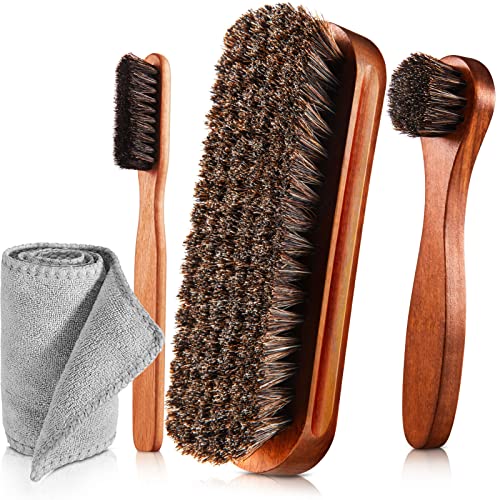
- Birkenstock footbed cleaning brush
- Shoe cleaning brush sandal cleaning kit
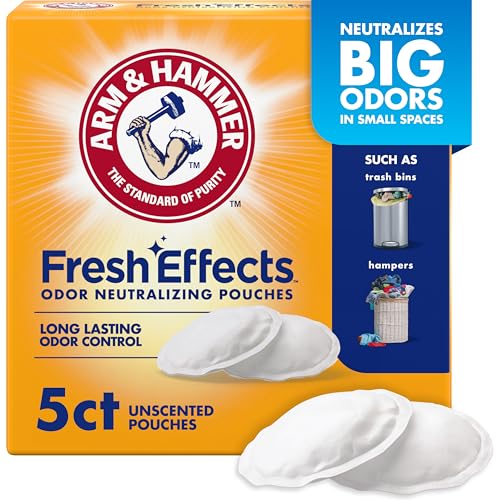
- Baking soda shoe deodorizer with scoop for odor removal

Before You Start
Test any new cleaning method on a small, inconspicuous area first to avoid damage. Avoid soaking the sandals or using hot water, which can weaken the footbeds. Work in a well-ventilated space and place the sandals on a towel to protect surfaces.
Estimate: 15–30 minutes per cleaning session, plus drying time. For sensitive materials, consider a gentler approach and consult care instructions from the manufacturer.
Step-By-Step: How To Clean Birkenstock Footbeds With Baking Soda
- Remove loose dirt by brushing the surface with the Birkenstock footbed cleaning brush, using gentle, circular motions.
- Mix a small amount of baking soda with water to form a paste the consistency of toothpaste.
- Dip the cleaning brush into the paste and apply to the entire footbed, focusing on stained or odorous areas.
- Let the paste sit for 5–10 minutes to absorb odors and loosen grime.
- Wipe away the paste with a clean damp cloth, ensuring no residue remains.
- Rinse the cloth and wipe the footbeds again to remove any remaining baking soda particles.
- Pat dry with a clean towel and allow sandals to air dry completely in a shaded area.
- For ongoing odor control, apply a small amount of baking soda deodorizer with a scoop to the footbed and let it sit overnight before brushing off.
- Reassemble and wear once fully dry to prevent trapped moisture from encouraging mold growth.
Troubleshooting
| Symptom | Likely Cause | Fix | Prevention |
|---|---|---|---|
| Footbed still sticky after cleaning | Baking soda residue | Wipe thoroughly with a damp cloth and dry completely | Rinse cloth frequently during cleaning |
| Persistent odor after cleaning | Deep-set odor or moisture trapped | Apply baking soda deodorizer and air dry longer in a dry area | Clean regularly and store in a dry place |
| Discoloration on footbed | Excessive paste or rubbing | Use lighter pressure or switch to a gentler cleaning method | Spot-test before full application |
| Water damage signs (squishy footbeds) | Excess moisture | Dry thoroughly in a ventilated space with fans | Avoid soaking and excessive moisture |
Common Mistakes
- Using hot water or soaking sandals, which can warp materials.
- Overloading with baking soda paste, creating residue that attracts more dirt.
- Rubbing vigorously, potentially abrading the footbed surface.
- Skipping complete drying, which invites mold or odor recurrence.
Tips For Best Results
- Use a dedicated cleaning brush to avoid cross-contaminating with other footwear products.
- Follow with a light, even application of baking soda deodorizer to maintain freshness between cleanings.
- Store sandals in a breathable bag or on a shoe rack to minimize moisture buildup.
- Test any cleaner on a small area first to protect the footbed color and texture.
Call A Professional
Seek professional help if the footbeds show deep staining, persistent odors after repeated cleanings, or signs of mold. If discoloration worsens, if materials seem compromised, or if the sandals are under warranty, contact the manufacturer or a respected shoe care service for guidance.
FAQ
Is baking soda safe for Birkenstock footbeds?
Yes, when used as a mild cleaner in paste form and rinsed well, baking soda is generally safe for Birkenstock footbeds. Avoid harsh scouring and excessive moisture.
How often should I clean Birkenstock footbeds?
Clean as needed to control odor and dirt, with a deeper clean every few weeks depending on wear and sweat exposure.
Can I skip the brush and just wipe with a cloth?
A soft brush helps lift debris from the textured footbed; wiping alone may miss embedded dirt and odor-causing residues.
What if the odor returns after cleaning?
Apply a light layer of baking soda deodorizer and ensure complete dryness; consider more frequent cleanings if you wear the sandals daily in hot conditions.
Buying Guide
When choosing cleaning tools and odor control for Birkenstock footbeds, consider size, material compatibility, and ease of use. A dedicated footbed cleaning brush pairs well with a sandal cleaning kit for comprehensive care. For deodorizing, a baking soda deodorizer with scoop helps you apply a precise amount without overloading the footbed. Look for products labeled safe for shoe fabrics and natural fibers, and verify that tools are suitable for textured footbeds. Noise level of cleaning devices is typically not a concern, but choose hand tools for gentle, surface-safe care. Consider storage solutions that keep sandals dry and air-filled to prevent moisture buildup.
Leave a Reply