How to Get Rid of Allergens in Your Home
Allergens such as dust, mold, pollen, and pet dander can trigger seasonal and chronic symptoms for many Americans. A proactive approach combines air purification, proper cleaning, humidity management, and targeted interventions. This guide provides a practical, step-by-step method to reduce allergen levels in a typical home effectively.
By following the strategies below, homeowners can create a healthier living environment with clearer air, fewer irritants, and less mold growth. The plan emphasizes actionable steps, safe practices, and tools that support long-term allergen control.
Quick Answer
Key actions in 60 seconds: run a high-quality air purifier in common rooms, vacuum with a sealed-system vacuum, reduce humidity to 30–50% in damp areas, and clean regularly with microfiber cloths to trap particles.
What You’ll Need
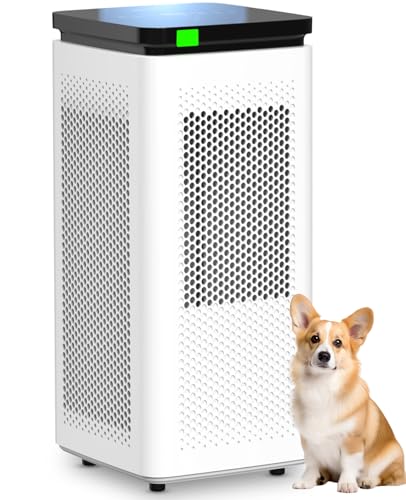
- True HEPA air purifier for 200 sq ft room size with carbon pre-filter
- HEPA sealed-system upright vacuum cleaner for dust allergen removal
- 50-pint dehumidifier with humidistat for basement moisture and mold control
- Microfiber cloths and microfiber dusters
- Allergen-reducing cleaning solutions or plain water for surfaces
- HEPA vacuum bags or sealed canister for containment
- Protective gear such as disposable gloves and a mask when cleaning moldy areas


Before You Start
Allergen control begins with a plan that minimizes exposure during cleaning and reduces future accumulation. Start by identifying high-traffic rooms, basements, and bathrooms where dampness and dust tend to collect. Safety first: unplug electrical devices before cleaning, wear a mask when dealing with mold or dusty surfaces, and keep household members with asthma or allergies informed of cleaning activities.
Surface preparation matters. Move furniture away from walls, seal off damp areas, and ensure adequate ventilation when using cleaning products. Time estimates vary by room size but plan for several hours of setup and several days of steady improvement as you establish a routine.
Step-By-Step: How To Get Rid Of Allergens In Your Home
- Identify and seal major allergen sources, starting with bedding, upholstery, and curtains that trap dust and dander.
- Set up the True HEPA air purifier for 200 sq ft room size with carbon pre-filter in the living room or bedroom to continuously filter airborne particles.
- Use the HEPA sealed-system upright vacuum cleaner for dust allergen removal on floors, carpets, and upholstery, making multiple passes for thorough cleaning.
- Declutter rooms to reduce hidden dust reservoirs; store items in closed containers and clean surfaces before replacing items.
- Address humidity, especially in basements and bathrooms, by running the 50-pint dehumidifier with humidistat to keep moisture in the 30–50% range.
- Wash bedding weekly in hot water and consider anti-allergen covers for pillows and mattresses to prevent allergen buildup.
- Schedule regular deep-clean sessions focusing on baseboards, vents, and ceiling fans to minimize dust circulation.
- Clean or replace HVAC filters as recommended by the system maker, and consider upgrading to high-MERV or HEPA-rated filters if compatible.
- Use microfiber cloths for dry dusting and lightly dampened cleaning to trap particles rather than scatter them into the air.
- Monitor for mold growth in damp areas; address leaks promptly, and use the dehumidifier in affected spaces to prevent recurrence.
- Maintain a weekly cleaning routine, adjusting frequency in high-allergen seasons or homes with pets.
- Review progress by checking air quality indicators if available and adjust purifier placement or humidity levels as needed.
Troubleshooting
| Symptom | Likely Cause | Fix | Prevention |
|---|---|---|---|
| Persistent musty odor | Moisture buildup or hidden mold | Investigate for leaks; dry area; use dehumidifier | Fix water leaks quickly; maintain humidity |
| Allergy symptoms worsen after cleaning | Dust stirred into air | Vacuum with sealed-system, use damp dusting | Close doors during cleaning; use air purifier |
| Air purifier seems less effective | Wrong room size or filter needs replacement | Check CADR rating; replace filters per schedule | Place purifier in high-traffic areas |
| Humidifier not reducing humidity | Insufficient capacity for space | Adjust target humidity and placement; consider larger unit | Limit moisture sources; seal leaks |
Common Mistakes
- Using damp cloths on dusty surfaces, which disperses allergens instead of trapping them
- Overloading vacuum with bags past capacity, reducing suction and effectiveness
- Ignoring humidity in basements and bathrooms, leading to mold growth
- Neglecting regular filter maintenance or replacement for purifiers and vacuums
Tips For Best Results
- Place the air purifier near sources of dust, such as beds or seating areas, but avoid blocking airflow with furniture
- Run the dehumidifier continuously in damp zones until humidity stabilizes, then maintain via the humidistat
- Combine routine cleaning with seasonal allergen checks, like during peak pollen months
- Use washable, reusable filters where possible to reduce waste and ensure consistent performance
Call A Professional
Consider professional help if mold growth is extensive, if moisture problems persist despite dehumidification, or if occupants experience severe allergic reactions that do not improve with standard cleaning. A certified mold remediation specialist or HVAC technician can assess structural issues, improve ventilation, and ensure proper equipment installation.
FAQ
What is the most effective way to reduce allergens in a bedroom?
Use a high-efficiency air purifier, wash bedding weekly in hot water, vacuum with a sealed-system vacuum, and maintain humidity around 30–50%.
How often should I replace air purifier filters?
Follow the manufacturer’s recommendations, typically every 6–12 months for residential units, with more frequent changes in high-dust environments.
Can humidity control help with dust mites?
Yes. Lower humidity (below 50%) reduces dust mite activity and growth, especially in bedding and upholstery.
Is a dehumidifier necessary in all homes?
Not in every home, but basements and bathrooms often benefit from dehumidification to prevent mold and odor issues.
Are HEPA filters enough to remove all allergens?
HEPA filters remove most airborne particles, but combined strategies (vacuuming, humidity control, and regular cleaning) yield the best results.
Should I use air purifiers in multiple rooms?
Yes, prioritizing rooms with the most activity and occupant sensitivity provides the greatest allergen reduction.
What maintenance helps prevent allergen buildup long term?
Regular vacuuming, washing fabrics, cleaning air filters, and periodic mold inspection are key.
Buying Guide
Choosing tools to reduce allergens involves evaluating size, performance, and maintenance needs. Start by matching room size to purifier capacity, vacuum power, and dehumidifier output. Consider noise levels for bedrooms and living spaces, energy use for ongoing operation, and ease of use for daily routines.
For air purification, select models with True HEPA filtration and a carbon pre-filter to capture odors. In terms of cleaning tools, sealed-system uprights minimize particle escape during vacuuming. For moisture control, a dehumidifier with an integrated humidistat helps maintain stable humidity levels without over-drying the air.
Placement matters. Position purifiers away from walls and in central locations within common areas. Vacuum zones should cover living rooms, bedrooms, and dens at least weekly. Dehumidifiers perform best in damp basements or bathrooms where moisture tends to accumulate. Finally, check compatibility with existing systems, including whether filters can be replaced with standard sizes and whether the devices fit within your home’s electrical capacity.
Ask yourself: Do you need portable solutions for multiple rooms or a single room-focused setup? How quiet should devices be during nighttime use? What is your target annual energy cost impact? Answering these questions helps tailor recommendations for your home environment.
Leave a Reply