How to Clean Stainless Steel Pots for a Like-New Finish
Stainless steel pots are a staple in American kitchens, valued for their durability and polished appearance. Proper cleaning not only preserves their shine but also extends their life by preventing stains, discoloration, and residue buildup. This guide provides a straightforward, practical method using common household tools and safe scrubbing options.
Whether you’re dealing with burnt sauces, a cloudy top layer, or mineral deposits from hard water, the techniques below help restore luster without scratching the surface. The steps emphasize safe, gentle methods first, then introduce tougher options only as needed.
Quick Answer
Start with hot water and dish soap to loosen grime, then use non-scratch pads for most daily cleaning. For stubborn spots, switch to a stainless steel scrub brush with a long handle or a heavy-duty steel wool scrubber, but test on a small area first to avoid scratches.
What You’ll Need
- Dish soap and warm water
- Non-scratch scrub pad for stainless steel pots and pans
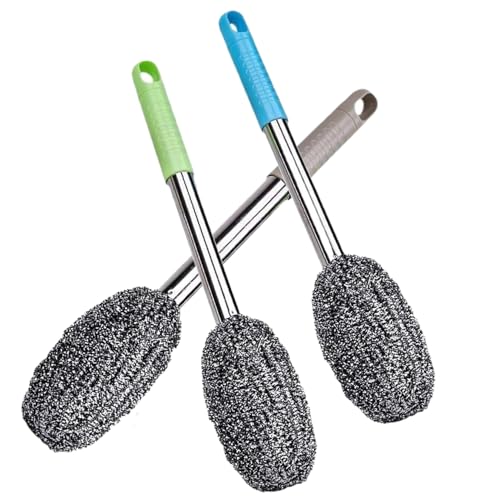
- Stainless steel pot scrub brush with long handle
- Heavy duty steel wool scrubber for pots and pans


Before You Start
Prepare a clean workspace and gather tools. Ventilate the area if you’re using stronger cleaners. Rinse the pot to remove loose debris before soaking. Time investment will vary: most routine cleanings take 5–15 minutes, while heavy buildup may require 20–40 minutes with soaking and scrubbing. Important cautions: avoid using bleach on aluminum or on stainless steel with chrome finishes; never mix ammonia with bleach; always wear gloves if you have sensitive skin.
Step-By-Step: How To Clean Stainless Steel Pots
- Fill the pot with warm, soapy water and let it soak for 10–15 minutes to loosen stuck-on residues.
- Wash the interior with a non-scratch scrub pad, rotating the pad to cover all areas and remove loosened debris.
- For stubborn spots, apply a small amount of dish soap directly and scrub with the stainless steel pot scrub brush with long handle to reach the bottom and sides.
- If mineral deposits or heat discoloration persist, create a paste using baking soda and water, apply to the area, and gently scrub with the pad or brush.
- Rinse thoroughly with warm water, inspecting for any remaining residue. Repeat soaking or scrubbing as needed.
- Dry the pot completely with a clean towel to prevent water spots and mineral buildup.
- For an extra bright finish, wipe the exterior with a microfiber cloth dampened with a small amount of white vinegar, then buff dry.
- If smoke or burnt-on food remains, place the pot on the stove with water and a splash of vinegar, bring to a simmer, then scrub again.
- Store the pot in a dry area to prevent corrosion or staining from moisture.
- Periodically inspect for scratches or dull patches; switch cleaning tools to avoid further damage.
- For tough residue that won’t budge, a heavy duty steel wool scrubber for pots and pans can be used sparingly, ensuring even pressure and testing on a small area first.
- Reassess after each cleaning cycle to determine if additional treatments are necessary or if the interior has regained its shine.
Troubleshooting
| Symptom | Likely Cause | Fix | Prevention |
|---|---|---|---|
| Cloudy, rainbow-like film | Water mineral deposits or soap film | Rinse thoroughly, wipe with vinegar-damp cloth, dry | Dry pots after washing; use soft water if possible |
| Discoloration or rainbow sheen | Heat discoloration or residue buildup | Apply baking soda paste and gentle scrub; rinse well | Avoid overheating; use lower heat when possible |
| Stubborn burnt-on food | Food residue baked onto surface | Soak longer; use non-scratch pad or long-handle brush | Pre-warm liquids; avoid high heat without enough liquid |
| Scratches appearing | Aggressive scrubbing tools | Switch to non-scratch pad; limit steel wool use | Choose appropriate tool for the task |
| Persistent odor | Food oils trapped inside | Warm soapy water soak with a bit of lemon juice | Regular cleaning routine after use |
Common Mistakes
- Using abrasive steel wool on delicate finishes or polished rims
- Scrubbing too aggressively, causing micro-scratches
- Rinsing with cold water on hot surfaces, which can cause warping
- Choosing the wrong cleaner for hard water deposits
Tips For Best Results
- Keep a routine cleaning schedule to prevent buildup and staining
- Warm water and soap remove most residues quickly; reserve tougher tools for only when needed
- Test any cleaner on a small, hidden area before full application
- Use microfiber towels to buff the exterior to a shine after cleaning
- Avoid letting food sit in pots for extended periods to minimize staining
Call A Professional
Consider contacting a professional if you notice persistent pitting, severe discoloration that won’t respond to standard cleaning, or if the pot has structural damage such as warped walls that affect performance.
FAQ
Can I use a steel wool scrubber on stainless pots?
Only use heavy-duty steel wool sparingly and test a small area first; excessive use can scratch the surface.
What should I do about hard water rings?
Soak with warm water and dish soap, then use a baking soda paste to lift deposits before rinsing.
Is vinegar safe for stainless steel?
Yes, vinegar can help remove mineral buildup and brighten the surface when used in moderation.
How can I prevent future staining?
Dry pots after washing, avoid leaving acidic foods in contact with the surface, and clean promptly after use.
Buying Guide
When selecting cleaning tools for stainless steel pots, consider size, weight, and grip comfort for ease of use. Look for tools designed specifically for stainless steel finishes to minimize scratching. Consider the following factors:
- Tool variety: A long-handle brush, a non-scratch pad, and an optional steel wool scrubber give flexible cleaning options for different levels of buildup.
- Material compatibility: Ensure scrub pads are non-scratch and safe for stainless steel to protect finishes.
- Ease of use: Ergonomic handles reduce hand fatigue during longer scrubs, especially for larger pots.
- Durability: Choose high-quality brushes and pads that won’t shed or deteriorate quickly.
- Maintenance: Replace worn brushes and pads to maintain cleaning effectiveness and prevent scratching.
How do you determine the right combination for your kitchen routine? Start with standard daily cleaning using a non-scratch pad and dish soap. Add a long-handle brush for hard-to-reach areas and reserve steel wool for the occasional stubborn spot. If space is limited, prioritize multi-purpose tools that can handle a range of cookware finishes.
Leave a Reply