How to Get Rid of Algae in an Above Ground Pool
Maintaining a clean, clear above ground pool requires a combination of proper chemical balance, mechanical cleaning, and routine inspections. Algae can quickly turn a sparkling pool into a cloudy, green mess if left untreated. This guide provides practical steps for American pool owners to remove algae, prevent regrowth, and keep water comfortable and safe for swimming all season long.
Quick Answer
Target the algae with a multi-pronged approach: brush and vacuum the pool, shock the water, use an algaecide suitable for above ground pools, and recheck chemical levels with test strips. Regular brushing and filtration keep algae from returning, especially in shaded or warm areas.
What You’ll Need
Gather the following tools and supplies to tackle algae quickly and effectively. The list favors items from the provided product keywords to ensure compatibility with above ground pools.
- Algae remover algaecide for above ground pool 1 qt – a quick-acting treatment to suppress algae growth.
- Stainless steel pool algae brush 9 inch for above ground pools – to scrub walls and floors thoroughly.
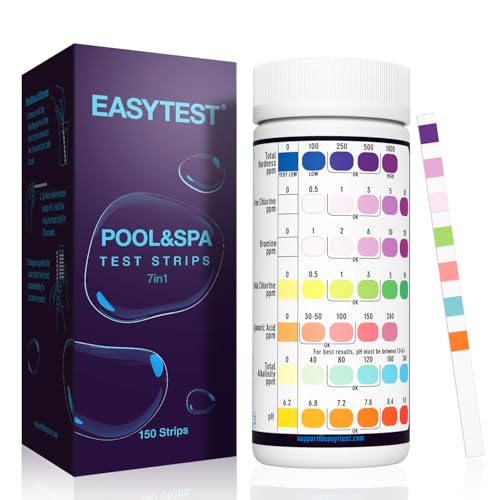
- Above ground pool test strips for chlorine pH and alkalinity – to monitor and adjust water chemistry.


Before You Start
Preparation matters. Clear the area around the pool, remove debris, and ensure the pump and filter are running during treatment. Time estimates vary: basic cleaning can take 1–2 hours, while a stubborn algae bloom may require several cycles over 2–3 days.
Cautions: never mix chemicals directly in a closed system and follow label directions for any product. Wear protective eyewear and gloves during handling. If the pool has a heavy algae burden or persistent green color after treatment, escalate to higher shock levels only as advised by product guidelines.
Step-By-Step: How To Get Rid Of Algae In An Above Ground Pool
- Test and balance chemistry: Use test strips to measure chlorine, pH, and alkalinity. Adjust pH to 7.2–7.6 and alkalinity to 80–120 ppm before treatment for optimal algaecide effectiveness.
- Brush all surfaces: With the stainless steel pool algae brush, scrub the walls, floor, and ladders to dislodge algae colonies. Pay extra attention to corners and steps where biofilm can cling.
- Shock the pool: Raise free chlorine to a level that will kill algae. For severe blooms, follow the product’s shock instructions and maintain the target level for several hours, keeping the filter running.
- Apply algaecide: After shocking, add the algae remover algaecide for above ground pool 1 qt as directed. This helps prevent immediate rebound and supports long-term control.
- Run filtration continuously: Keep the pump and filter on for at least 24 hours after treatment. Clean or backwash the filter as needed to remove dead algae and debris.
- Vacuum and clean: Vacuum the pool floor to remove dead algae. If the vacuum struggles, rinse the filter and synthetic media to restore suction.
- Recheck chemistry: Re-test chlorine, pH, and alkalinity. Rebalance as necessary to maintain stable water quality and reduce future algae growth.
- Monitor for regrowth: Over the next few days, test water daily. If algae returns, repeat brushing, shocking, and algaecide application as needed, and inspect for shaded or nutrient-rich areas that encourage growth.
Troubleshooting
| Symptom | Likely Cause | Fix | Prevention |
|---|---|---|---|
| Cloudy or green water after treatment | Insufficient chlorine or improper pH | Recheck with test strips, adjust chemistry, repeat shocking if needed | Maintain consistent sanitizer levels and pH balance |
| Algae returns within days | Dead spots or poor filtration | Brush thoroughly, clean filter, ensure continuous filtration | Regular cleaning and adequate filtration time |
| Foamy or jelled surface | Escalating chemical imbalance | Check all levels, re-balance, possibly partial water replacement | Frequent monitoring and gradual chemical adjustments |
| Strong chlorine odor | High chloramines from contaminants | Shock and increase aeration | Regular water testing and proper shock routine |
Common Mistakes
- Waiting too long to treat after algae starts growing
- Using too little algaecide or applying it without proper shock prior
- Infrequent brushing of walls and floors, allowing biofilm to persist
- Inconsistent testing or neglecting pH and alkalinity adjustments
Tips For Best Results
- Schedule weekly testing with test strips to maintain proper chemical balance reliably.
- Brush at least once a week during the pool season, and more often if algae appears.
- Run the filter during and after chemical treatments to maximize debris removal.
- Keep pool surfaces clean and skimmed to reduce organic load that feeds algae growth.
Call A Professional
Consider contacting a professional if:
- The algae persists after multiple shock and algaecide applications.
- Water tests show repeatedly high ammonia, nitrates, or improper disinfection levels.
- Pool equipment shows recurring leaks or persistent filtration issues.
FAQ
What is the fastest way to remove algae from an above ground pool?
The quickest method combines brushing, mechanical cleaning, shock treatment, and a compatible algaecide, followed by thorough filtration.
How often should I test pool water during an algae outbreak?
Test daily during active treatment and maintain routine checks once the water clears.
Can I use household cleaners to remove algae?
No. Use products designed for pools and avoid mixing with household detergents or cleaners.
Is brushing alone enough to prevent algae?
Brushing helps, but it must be paired with proper chemical balance and filtration.
Buying Guide
When choosing products to combat algae in an above ground pool, consider the following factors to balance performance, cost, and ease of use.
- <bSize and coverage: Select an algaecide and treatment plan that targets your pool volume. Larger pools require proportionally higher quantities and longer treatment cycles.
- <bNoise level and operation convenience: Most above ground pool equipment operates quietly, but pumps and cleaners vary. Look for low-noise options if the pool is near living spaces.
- <bEnergy efficiency: Choose pumps and filtration systems with efficient motors and variable-speed options to reduce energy use while maintaining clean water.
- <bControls and monitoring: Test strips and digital readers can simplify chemistry management. Some kits include mobile app integration for remote monitoring.
- <bPlacement and accessibility: Ensure that the pool location allows easy walk-around access for brushing, skimming, and maintenance.
- <bChemistry compatibility: Use algaecides and shock treatments designed for above ground pools to prevent staining and residue issues.
- <bMaintenance frequency: If you prefer fewer visits, look for long-acting algaecides and robust filtration that tolerate longer intervals between cleanings.
With the right combination of brushing, chemistry, and filtration, maintaining a pristine above ground pool becomes a straightforward routine. Ready to tackle algae with a targeted plan? Start with a proper balance of pH and chlorine, follow up with a high-quality algaecide, and keep the filter running to capture every bit of debris. If problems persist, a professional can provide an assessment and tailored solution to restore sparkling water.
Leave a Reply