How to Deep Clean Carpet: A Practical Guide for Home Use
Deep cleaning carpet removes embedded dirt, allergens, and odors that ordinary vacuuming can miss. This guide walks American homeowners through a safe, effective deep-clean routine using common tools and recommended equipment. By following practical steps and choosing the right machine, you can refresh carpets and extend their life.
Quick Answer
Rent or own a suitable extractor for deep cleaning, apply hot water extraction or rotating-brush cleaning, and use the right cleaning solution. Work in small sections, rinse thoroughly, and allow ample drying time. Start with high-traffic areas and finish with corners and edges for optimal results.
What You’ll Need
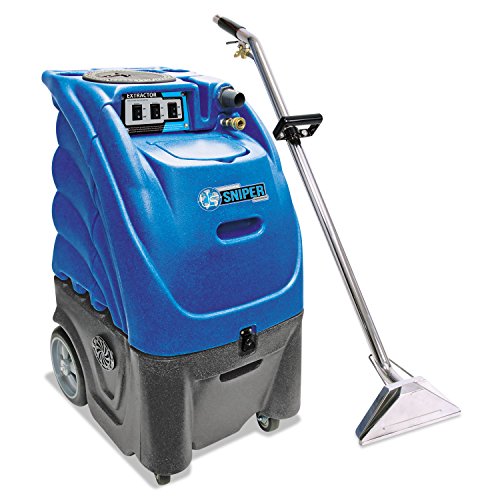
To tackle deep carpet cleaning effectively, assemble a basic toolkit and the right cleaning gear. The list prioritizes machines designed for home use and deep extraction.
- Upright carpet cleaner dual-tank hot water extraction
- Steam carpet cleaner with rotating brushes for home use
- Portable carpet extractor for deep cleaning stains
- Appropriate carpet cleaning solutions or detergents
- Clean water supply and measuring cup
- Soft-bristle brush for edge work


Before You Start
Preparation helps prevent damage and ensures even cleaning. Clear furniture from rooms, vacuum thoroughly first to remove surface debris, and test cleaners on a hidden carpet patch to avoid staining. Set drying expectations: most carpets take 6–12 hours to dry completely, depending on airflow and humidity. Wear protective gloves if handling strong cleaners and follow all manufacturer instructions for your machine and cleaning solution.
Step-By-Step: How To Deep Clean Carpet
- Inspect the carpet for stains and high-traffic spots, noting areas that may require extra attention.
- Vacuum the area slowly with a powerful vacuum to loosen embedded debris before deep cleaning.
- Fill the cleaner’s reservoir with hot water to optimize extraction; add the recommended amount of cleaning solution.
- Test a small, inconspicuous area to confirm colorfastness and avoid bleeds or rings.
- Begin in a corner and work in straight, overlapping passes to ensure complete coverage.
- Use the upright cleaner with dual-tank design for large rooms to keep clean water separate from dirty water.
- For stubborn stains, use a targeted approach with a portable extractor or a brush on the stain, then extract again.
- Rinse with clean water in a separate pass to remove residual cleaning solution and prevent residue buildup.
- Continue until the room is fully cleaned, paying attention to edges, transitions, and stair treads.
- Allow good ventilation and use fans or open windows to speed drying; avoid heavy foot traffic until the carpet is dry.
- After drying, vacuum again to lift nap and restore texture, especially on looped or cut-pile carpets.
- Clean the machine following the manufacturer’s instructions to prevent odors and buildup.
Troubleshooting
| Symptom | Likely Cause | Fix | Prevention |
|---|---|---|---|
| Leftover soap smell | Excessive cleaning solution | Rinse with clean water and extract thoroughly | Use the recommended solution amount |
| Streaks or rings | Uneven extraction or dry soil | Re-clean with proper technique and avoid over-wetting | Work in smaller sections with even pressure |
| Carpet still damp after hours | Low airflow or high humidity | Improve ventilation, use dehumidifier or fans | Plan drying time and avoid running cleaners late in the day |
| Color bleed after cleaning | Harsh cleaner or colorfastness issue | Spot-test before cleaning and switch to milder solutions | Do a patch test on hidden area first |
Common Mistakes
- Over-wetting the carpet, which prolongs drying and can cause mold growth
- Using too much cleaning solution, leaving sticky residues
- Neglecting edges and corners where grime accumulates
- Skipping a test patch that reveals color bleeding or texture changes
By avoiding these missteps, homeowners can achieve deeper cleaning with less risk of damage or lingering odors.
Tips For Best Results
- Pre-treat stains with a targeted solution before deep cleaning to improve extraction outcomes
- Always work with clean water and clear dirty-water tanks to prevent cross-contamination
- Use a brush or upholstery tool for stairs and hard-to-reach areas
- Vacuum after drying to restore carpet fluff and texture
- Schedule regular deep cleanings every 6–12 months depending on traffic and pets
Call A Professional
Consider hiring a professional if the carpet is heavily soiled, delicate, or stained beyond DIY remedies. Stop and seek help if you notice persistent dye transfer, persistent odors after cleaning, or if the carpet has latex backing damage. Seek immediate assistance for water damage, mold concerns, or electrical hazards near cleaning equipment.
FAQ
What’s the difference between steam cleaning and hot water extraction?
Steam cleaning uses high temperatures or steam to loosen soil, while hot water extraction injects hot water with solution and immediately extracts it along with dirt.
Can I deep clean carpet without renting equipment?
Yes, manual deep cleaning tools and strong suction vacuums can help, but machines designed for extraction yield better soil removal and faster drying.
How long does it take for carpet to dry after deep cleaning?
Typically 6–12 hours, depending on airflow, humidity, and carpet thickness.
Is it safe to deep clean wool carpets at home?
Wool requires careful cleaners and lower moisture; test a hidden area first and choose products labeled safe for wool.
How often should I deep clean high-traffic rooms?
Every 6 months is common for households with pets or children; in low-traffic areas, annual cleaning may suffice.
Should I hire a professional for pet stain removal?
Professionals can address deep urine odors and set-in stains more effectively; consider service if stains persist after DIY attempts.
Buying Guide
When choosing a carpet cleaning setup for deep cleaning at home, consider size, noise, energy efficiency, controls, and placement. For larger rooms, an upright carpet cleaner with dual-tank hot water extraction helps maintain water separation and reduces downtime. If space is limited, a portable carpet extractor is convenient for stains and quick touch-ups. Steam cleaners with rotating brushes can lift embedded dirt from moderate usage areas, but may require longer drying times. Look for machines with clear water tanks, straightforward controls, and accessible replacement parts. Also assess how easy the unit is to move between rooms and how it stores when not in use.
Key decision factors include: room size, carpet fiber type, presence of pets or children, and willingness to perform routine maintenance. Noise levels can be a consideration in multi-story homes or apartments, so check decibel ratings if available. Energy efficiency matters for households concerned about power usage during cleaning sessions. Finally, consider placement options within the home—whether you prefer a cordless portable option or a corded unit with a long power cord for large rooms. With these factors, homeowners can select a machine that fits their cleaning cadence and budget while delivering strong deep-clean results.
Leave a Reply