How to Clean Wrought Iron Railings
Wrought iron railings add classic charm and durable appeal to homes and outdoor spaces. Over time, exposure to moisture, weather, and pollutants can cause rust and grime to build up. This guide provides a practical, step-by-step approach to restoring luster and protecting wrought iron railings without damaging surrounding surfaces.
Quick Answer
For best results, remove loose rust with a nylon-bristle brush, apply a rust remover gel to stubborn spots, rinse, and finish with a rust converter spray. Repeat as needed, and seal with a protective finish to slow future corrosion.
What You’ll Need
- wrought iron railing rust remover gel
- wrought iron railing cleaning brush nylon bristle
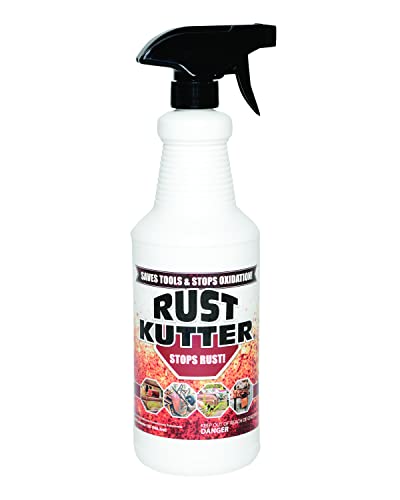
- metal rust converter for wrought iron railings spray
- gloves, eye protection
- soft cloths or microfiber towels
- bucket and water or hose
- tarp or drop cloth to protect nearby surfaces


Before You Start
Inspect the railing for loose parts, flaking paint, or sharp edges. Protect adjacent surfaces with drop cloths and masking tape. Work in a shaded, dry period to prevent fast drying of products. Plan for multiple passes if rust is extensive, and allow adequate drying time between steps. If you have lead paint or suspect hazardous coatings, consult safety guidelines or a professional.
Step-By-Step: How To Clean Wrought Iron Railings
- Put on gloves and eye protection; clear the work area to prevent spills on plants or masonry.
- Use a wrought iron railing cleaning brush nylon bristle to remove loose rust, dirt, and old paint flakes from all accessible surfaces.
- Dampen a cloth and wipe down the railing to remove remaining dust and debris; this creates a clean surface for treatment.
- Apply the wrought iron railing rust remover gel to rusty spots following the product’s instructions. Let it sit for the recommended time to react with the rust.
- Scrub again with the nylon brush to lift loosened rust, then rinse thoroughly with water to remove gel residue.
- Dry the railing completely with a clean cloth to prevent new rust formation during the next steps.
- Spray the metal rust converter for wrought iron railings on remaining rust patches. This converts iron oxide into a stable compound and primes the surface for painting or sealing.
- Allow the converter to dry fully per label directions, usually several hours. If needed, lightly sand any rough spots once dry.
- Optionally apply a protective finish or primer compatible with wrought iron to seal and reduce future corrosion; follow the product directions for the correct number of coats and drying times.
- Conduct a final wipe-down, inspect for missed spots, and re-treat if necessary. Regular maintenance every 1–2 years helps prevent heavy rust buildup.
Troubleshooting
| Symptom | Likely Cause | Fix | Prevention |
|---|---|---|---|
| Persistent rust after treatment | Rust penetrated deeply or product didn’t fully react | Reapply rust remover gel and repeat converter step | Address moisture sources and seal promptly after treatment |
| Paint on rails peels after washing | Existing coating not properly prepared | Lightly sand and re-apply primer/finish | Prepare surface thoroughly before finishing |
| Streaks or discoloration after rinsing | Residue from cleaner or converter | Rinse again with clean water and wipe dry | Rinse until clear and dry completely |
| New rust between seasons | Exposure to moisture and salts | Re-treat with rust converter and seal | Apply protective coating and avoid pooling water |
Common Mistakes
- Using metal brushes aggressively on delicate edges and decorative details
- Skipping thorough drying between steps, which encourages new rust
- Overlooking hidden underside areas where rust can hide
- Choosing incompatible paints or sealants that trap moisture
Address these missteps by taking a careful, stage-by-stage approach and allowing ample drying time between applications.
Tips For Best Results
- Work in sections to ensure you treat all areas evenly and don’t miss spots.
- Test any product on a small, inconspicuous area before full application.
- Keep tools clean to avoid re-depositing rust onto the railing.
- Consider coating with a rust-inhibiting finish after treatment to extend the railing’s life.
Call A Professional
Consider contacting a professional if you notice structural damage, extensive corrosion, or if the railing is part of a historic property with specific preservation requirements. Stop work and seek expert advice if coatings contain lead or other hazardous materials, if the railing is connected to electrical components, or if you cannot safely access all surfaces.
FAQ
How often should wrought iron railings be cleaned?
Typically every 1–2 years, with more frequent care in coastal or high-humidity areas.
Can I paint over rust after treating it?
Yes, after properly treating rust and ensuring the surface is dry and smooth, apply a suitable primer followed by a protective topcoat.
Is it safe to use household cleaners on wrought iron?
Generally avoid harsh household cleaners that may corrode the finish; use products designed for metal rust removal and protective coatings.
What if the railing is attached to a brick wall?
Be careful to protect brickwork; use masking tape and drop cloths to avoid staining and use rust-converter products compatible with masonry contacts.
Should I use a power washer?
A gentle stream is acceptable on flat, non-delicate surfaces, but avoid high pressure that can scratch or damage thin decorative elements.
Buying Guide
When selecting products and planning maintenance for wrought iron railings, consider several factors to ensure effective cleaning and lasting protection.
- Size and scope: Measure railing sections to estimate how much cleaner, rust remover gel, and converter spray you’ll need. Large setups may require more frequent applications.
- Noise level: Cleaning with brushes and spray products generally produces moderate noise; plan work during reasonable hours if the railing is near living spaces.
- Energy and environmental impact: Choose rust removers and converters with low VOCs and safer disposal guidelines to minimize environmental impact.
- Controls and application: Look for products with clear instructions, safety warnings, and easy-to-control spray or brush applicators for precise use.
- Placement considerations: Outdoor railings facing rain and salt require more frequent maintenance and durable protective finishes; indoor railings benefit from lower exposure to moisture.
- Finish compatibility: Ensure coatings and primers are compatible with existing metal finishes and any decorative elements.
- Maintenance cadence: Decide a maintenance schedule—seasonal inspections with touch-ups can prevent heavy rust buildup over time.
- Safety gear: Always use gloves and eye protection; ensure proper ventilation when using chemical cleaners and converters.
Leave a Reply