How to Clean Acrylic Paint From Carpet
Acrylic paint spills on carpet can be stressful, but quick, proper action minimizes staining and odor. This guide walks American homeowners through practical steps using common cleaning tools and products that are widely available in stores or online.
Whether the spill is fresh or has dried, following a structured process helps restore the carpet’s appearance. The method below emphasizes safety, test patches, and choosing the right cleaners to protect carpet fibers while removing acrylic color.
Quick Answer
Act fast, blot to remove excess paint, and use a two-step cleaner approach: first a solvent or enzyme-based cleaner to break down pigments, then a soap-and-water rinse. For set stains, a paint stain remover spray or a wet/dry vacuum can help lift color more effectively.
What You’ll Need
- Carpet stain remover enzyme cleaner acrylic paint
- Wet dry vacuum for paint spill carpet cleaning
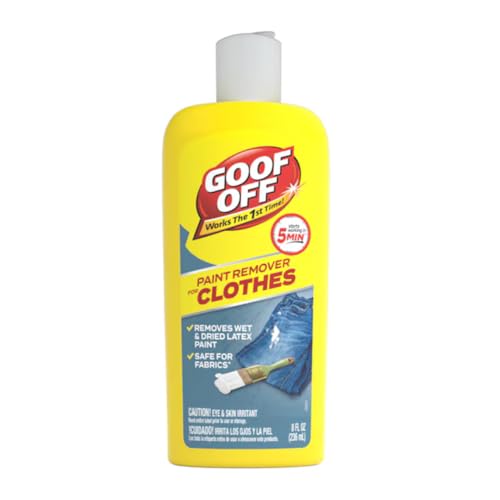
- Paint stain remover spray for carpet acrylic paint cleanup

Before You Start
Clear the area and place a protective barrier to avoid spreading paint. Test each cleaner on an inconspicuous patch of carpet to check colorfastness and fiber tolerance. Work from the outer edge of the stain toward the center, and avoid rubbing aggressively, which can push paint deeper. Plan for multiple passes and a reasonable time window—set aside 20–60 minutes for initial treatment, plus additional drying time.
Caution: Do not use hot water or a heat source on water-based acrylics, as heat can set the stain. Wear gloves and ensure good ventilation if using solvents or enzyme cleaners.
Step-By-Step: How To Clean Acrylic Paint From Carpet
- Blot the excess paint with a clean white cloth or paper towels without rubbing to avoid embedding pigment.
- If the stain is wet, place a absorbent material under the affected area to prevent soaking through to the pad.
- Apply a small amount of carpet stain remover enzyme cleaner to the stain and gently blot to work the cleaner into the fibers.
- Let the enzyme cleaner sit for the time indicated on the product label, typically several minutes, to break down the paint.
- Wipe away loosened paint with a fresh cloth, working from the outside in to prevent spreading.
- If color remains, apply a paint stain remover spray designed for carpet acrylic cleanup and blot again.
- Use a wet/dry vacuum for paint spill carpet cleaning to extract moisture and residual pigment from the carpet pile.
- Rinse the area with a small amount of clean water and blot until mostly dry, repeating as needed until no color transfers to the cloth.
- Allow the carpet to air-dry completely. If odor lingers, consider a light mist of enzyme cleaner and a final dry pass with the vacuum.
- Inspect the area after drying and repeat steps if any trace of paint remains.
- For large spills or stubborn stains, repeat steps or seek professional cleaning options.
Troubleshooting
| Symptom | Likely Cause | Fix | Prevention |
|---|---|---|---|
| Pigment remains after cleaning | Paint embedded in fibers | Repeat cleaner and blotting steps, consider solvent-based cleaner cautiously | Act quickly; blot not rub |
| Discolored carpet fibers | Overly strong cleaner or dye transfer | Rinse with clean water and blot; test patch first | Test cleaners on hidden area first |
| Streaks or uneven color | Uneven application or insufficient extraction | Apply cleaner evenly and extract thoroughly with vacuum | Work in small sections |
| Water spots after drying | Residual moisture | Continue suction with vacuum and allow longer drying time | Ventilate area well |
Common Mistakes
- Rubbing or scrubbing, which can push paint deeper into fibers
- Using hot water or heat sources on acrylic paint
- Skipping a patch test before applying cleaners
- Relying on a single cleaner for all stain types
Tips For Best Results
- Work with fresh stains first; older dried paint is harder to remove
- Use enzyme cleaners for general stain breakdown and follow with a dedicated paint remover spray if needed
- Blot, not rub, and use a fresh cloth for each pass to avoid redepositing pigment
- For delicate carpets, test cleaners on a hidden area and opt for milder formulations
- Consider a pro-cleaning service for large or multiple spills
Call A Professional
Seek professional help if the stain covers a large area, the carpet is valuable, or there is dye transfer from the carpet fibers. Signs that professional intervention is warranted include persistent color after multiple cleanings, strong odors, or if the stain has penetrated toward the backing or padding. Do not delay if liquid has soaked through to the subfloor area.
FAQ
Can I use regular household cleaners on acrylic paint stains?
Household cleaners may work, but for best results, use enzyme cleaners and paint stain remover sprays designed for carpet acrylic cleanup and follow label directions.
Is acrylic paint water-based and easy to remove from carpet?
Most acrylic paints are water-based, which helps, but they can still bond to fibers if allowed to dry. Prompt treatment improves outcomes.
Should I use a steam cleaner on an acrylic paint stain?
Steam can set stains or push pigment deeper; use caution and consider a wet/dry vacuum and blotting approach first.
What if the stain has dried completely?
Dry stains are tougher; repeat cleaner applications, blotting, and extraction steps. In persistent cases, a professional cleaning may be necessary.
Are enzyme cleaners safe for pets and children?
Most enzyme cleaners are formulated to be pet- and child-friendly when used as directed; verify product labels for any restrictions.
Buying Guide
When selecting products to clean acrylic paint from carpet, focus on features that improve stain removal while protecting carpet fibers. Consider size, compatibility with carpet fibers, and ease of use. Look for products labeled for acrylic paint, enzyme-based formulas, and stain remover sprays designed for carpet cleanup. A wet/dry vacuum can provide added extraction power for damp spills. For sensitive environments, choose products with low odor and minimal harsh chemicals.
Buying Guide: Key Factors To Consider
- Size and coverage: Choose cleaners and sprays with adequate volume for typical household stains; larger spills may require multiple applications.
- Performance with acrylic paint: Prioritize formulations proven effective on pigment-based stains.
- Enzyme vs. solvent cleaners: Enzyme cleaners are gentler and work on organic residues; solvent cleaners can tackle stubborn pigments but may require ventilation and precautions.
- Ease of use: Look for spray bottles or ready-to-use products that simplify application and blotting steps.
- Odor and safety: Opt for low-odor formulas and check for any safety warnings around pets and kids.
- Stain prevention: Some products offer ongoing protection or residue-free rinsing to prevent re-soiling.
- Placement and portability: A compact kit with a vacuum accessory can be helpful in multi-room cleaning scenarios.
With these guidelines, choosing the right tools becomes straightforward. A thoughtful combination of an enzyme cleaner, a dedicated paint stain remover spray, and a wet/dry vacuum provides a practical, effective approach for most acrylic spills on carpet. Would you like help selecting specific brands available in your area or online?
Leave a Reply