How to Clean Woven Baskets Safely
Woven baskets blend practicality with rustic charm, but they can gather dust, dirt, and stains over time. This guide outlines a practical, step-by-step approach to clean woven baskets without damaging their structure or finish. By using common household tools and a few specialized items, you can refresh baskets used for storage, planters, or decorative pieces.
Whether your basket is made from natural fibers like rattan, willow, or seagrass, the following methods aim to remove debris gently while preserving color and texture. Always test a small area first if your basket has dyes or coatings.
Quick Answer
What you’ll do: Lightly brush away loose dust, spot-clean stains with a damp microfiber cloth, and use a handheld vacuum for embedded debris. For stubborn grime, a soft-bristle wicker cleaning brush helps. Dry thoroughly to prevent mildew.
What You’ll Need
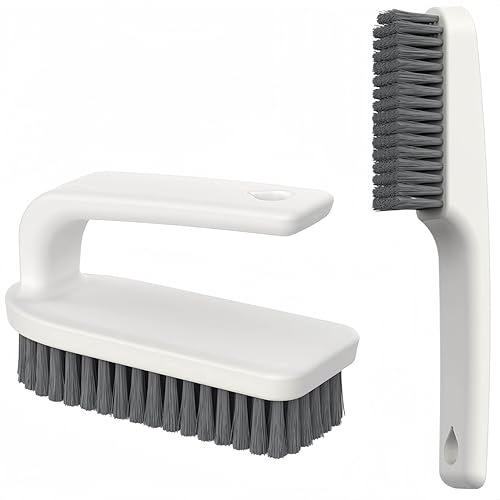
- Soft-bristle wicker cleaning brush for baskets
- Microfiber cleaning cloth for woven baskets
- Handheld vacuum with upholstery brush for wicker baskets


Before You Start
Inspect for signs of damage such as fraying or loose weaving. If the basket is structurally compromised, limit cleaning and consider professional repair. Work in a well-ventilated area to avoid inhaling dust. If the basket is used for food storage or contains residual smells, you may need to deodorize after cleaning.
Important cautions: Do not soak natural fiber baskets in water, as excessive moisture can cause warping or mold. Avoid harsh chemical cleaners that could discolor or weaken the weave. Let the basket dry completely before returning it to its place.
Step-By-Step: How To Clean Woven Baskets
- Remove loose debris by gently tapping the basket or using a soft brush to sweep dust from crevices.
- Vacuum the basket with a handheld vacuum using the upholstery brush attachment to lift embedded dust from the interior and exterior.
- Use a soft-bristle wicker cleaning brush to dislodge dirt stuck in the weave, working with the grain and avoiding excessive pressure.
- For light stains, dampen a microfiber cleaning cloth for woven baskets with lukewarm water and wipe surface areas. Wring the cloth well to avoid soaking.
- Gently wipe the interior first, then the exterior. For stubborn spots, use a tiny amount of mild soap on the cloth, then rinse with a clean damp cloth to remove soap residue.
- Allow air to circulate by placing the basket in a dry, sunny spot for a few hours. If weather permits, rotate the basket to ensure even drying.
- For deeply soiled natural fibers, consider spot-cleaning with a mild solution of water and white vinegar (1:1 ratio) on a cloth, then wipe away with a clean damp cloth and dry thoroughly.
- Keep ventilation up and avoid direct heat sources that could dry the fibers too quickly and cause cracks.
- Reassess the weave after drying. If any areas remain stiff or misshapen, gently reshape by hand while the basket is still slightly damp.
Troubleshooting
| Symptom | Likely Cause | Fix | Prevention |
|---|---|---|---|
| Dust returns soon after cleaning | Dust accumulation in crevices | Regular light brushing and vacuuming | Dust cover or storage in clean area |
| Stains persist after cleaning | Deep-set stains or dye transfer | Spot-clean with mild soap, repeat as needed | Avoid moisture exposure |
| Weave appears warped | Excess moisture or rough handling | Dry thoroughly and reshape by hand | Avoid soaking; handle gently |
| Color fading | Sun exposure or harsh cleaners | Use mild cleaners and shield from direct sun | Store away from strong light |
Common Mistakes
- Soaking baskets in water or exposing them to excess moisture
- Using harsh cleaners or bleach that can weaken fibers
- Rubbing vigorously in one spot, which may fray the weave
- Drying in direct heat or sunlight for long periods
Tips For Best Results
- Test any cleaner on a hidden area first, especially on dyed or treated baskets
- Work from the outside inward to prevent dirt from spreading toward the center
- Use the microfiber cloth damp, not soaking wet, to avoid saturating the weave
- Store baskets in a dry, ventilated space to prevent mildew growth
- Keep a routine cleaning schedule to minimize buildup
Call A Professional
Seek professional help if you notice significant structural damage, loose weaving, or if a basket is valuable or antique. Signs to contact a pro include cracking fibers, broken spokes, or persistent odor that does not respond to cleaning.
FAQ
Can I wash woven baskets in a washing machine?
No. Washing machines can damage delicate weaves. Use the methods described here for spot-cleaning and gentle brushing.
Is it safe to use soap on all baskets?
Most baskets tolerate mild soap, but avoid dark dyes and coatings that may bleed. Always test a hidden area first.
How do I dry a cleaned basket?
Air-dry in a well-ventilated area away from direct heat. Turn the basket to ensure even drying.
What if the basket smells after cleaning?
Sprinkle a small amount of baking soda, let sit briefly, then vacuum or wipe away. Ensure the basket is completely dry to prevent mildew.
How long does it take to clean a large basket?
Large baskets may take 30–60 minutes, depending on dirt level and weave complexity. Allow extra drying time after cleaning.
Buying Guide
When selecting cleaning tools for woven baskets, consider material compatibility and effectiveness. The right kit can simplify maintenance and extend basket life.
- <bSize and weight: Ensure tools are comfortable to handle without placing stress on the weave. Lightweight brushes and compact vacuums are ideal for delicate baskets.
- <bNoise level: Choose a handheld vacuum with a quiet mode if you clean in living spaces with children or pets.
- <bEnergy efficiency: Look for energy-efficient vacuums and cordless options to reduce power use during routine cleaning.
- <bControls: Simple, intuitive controls help you switch between brush modes and suction levels quickly.
- <bPlacement: Store cleaning tools near the baskets they service to streamline maintenance.
In terms of cleaning performance, the included product keywords can be used as a practical kit: a soft-bristle wicker cleaning brush, a microfiber cleaning cloth, and a handheld vacuum with upholstery brush form a balanced set for most woven basket tasks. For varying basket types, you might combine gentler brushes with a damp microfiber approach to avoid abrasion while maintaining thorough cleanliness. If you manage several baskets with different materials, consider separate cloths or brushes to prevent cross-contamination of dyes or finishes.
Leave a Reply