How to Clean Hazardous Spills Safely and Effectively
Disaster cleanup often involves hazardous materials that require careful handling and specialized gear. This guide outlines practical steps for cleaning up dangerous spills while protecting workers and the surrounding environment. It integrates recommended tools and PPE to help American responders manage contamination with confidence and clarity.
Quick Answer
For a safe cleanup, isolate the spill area, don appropriate protective gear, and deploy a suitable decontamination kit. Use heavy-duty absorbent pads and socks to contain the spill, apply a decontaminant with an industrial sprayer as needed, and carefully bag and dispose of waste according to local regulations. Always prioritize safety and follow established protocols.
What You’ll Need
The following tools and materials are commonly used for disaster cleanup and hazmat scenarios. They are drawn from trusted containment and decontamination gear to help manage spills effectively.
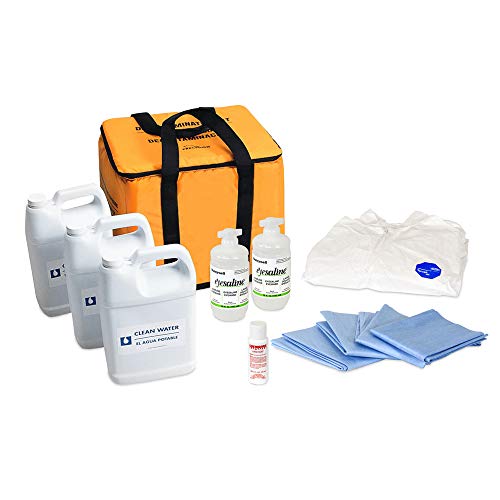
- Industrial decontamination sprayer kit for disaster cleanup
- Hazmat cleanup PPE suit boots gloves set
- Heavy-duty spill containment absorbent pads and socks for disaster cleanup


Before You Start
Assess the scene for immediate hazards and ensure the area is ventilated if possible. Establish a perimeter to prevent unauthorized access. Notify appropriate authorities or supervisors if the spill involves hazardous substances. Safety gear should include full PPE, respirators as needed, eye protection, and chemical-resistant gloves. Prepare waste bags or drums labeled for hazardous waste. Time estimates vary by spill size but plan for at least 30 minutes of prep and 1–2 hours of active cleanup for moderate incidents. Critical cautions include avoiding contact with skin, preventing cross-contamination, and not mixing incompatible chemicals.
Step-By-Step: How To Clean Hazardous Spills
- Secure the area and don the full hazmat cleanup PPE suit boots gloves set before approaching the spill.
- Contain the spill using absorbent pads and socks to prevent spread to adjacent surfaces or waterways.
- Use the industrial decontamination sprayer kit to apply an appropriate decontaminant, following label directions for contact time.
- Work from the edge of the spill inward, distributing the absorbent materials evenly to maximize containment.
- Collect and bag contaminated absorbents in sealed hazardous waste bags, labeling them according to local regulations.
- Rinse or wipe affected surfaces with the sprayer kit as needed, ensuring complete coverage without oversaturation.
- Perform a final check for any residue and re-treat as necessary, repeating containment steps if new pockets appear.
- Decontaminate PPE and boots as dictated by the product instructions, then properly dispose of cleaning materials.
- Document the cleanup: spill type, amount, location, actions taken, and waste handling to aid future safety planning.
- Review site for residual hazards and ensure the area is safe for authorized personnel to re-enter.
- Store equipment in clean, dry conditions and perform routine maintenance before the next response.
- Prepare a post-cleanup report and update safety procedures if needed to prevent recurrence.
Troubleshooting
| Symptom | Likely Cause | Fix | Prevention |
|---|---|---|---|
| Persistent odor after cleanup | Insufficient decontaminant contact time | Reapply decontaminant and allow longer contact | Pre-build containment and perform an initial larger-area decontamination |
| Smearing instead of absorbing | Absorbent materials saturated or inappropriate type | Replace with fresh pads/socks and adjust placement | Use appropriate absorbency for the spill type |
| PPE contamination during cleanup | Improper doffing or leaks | Follow doffing protocol strictly; inspect PPE for damage | Regular PPE training and inspection before use |
| Residual liquid on surfaces | Incomplete surface cleaning | Re-spray and wipe again; repeat containment steps | Double-check all surface zones and corners |
Common Mistakes
- Not isolating the spill area quickly, allowing it to spread
- Using inadequate absorbents or mixing incompatible cleanup products
- Skipping proper PPE or improper doffing leading to contamination
- Rushing disposal of contaminated materials without labeling or following regulations
Tips For Best Results
- Plan the cleanup with a written procedure and assign roles to responders
- Test surfaces for residual contamination after the initial cleanup
- Keep a readily accessible stock of absorbent pads and socks for rapid containment
- Always verify that waste containers are labeled and sealed before transport
- Schedule drills to improve response time and safety compliance
Call A Professional
Consider contacting a certified hazmat response team if any of the following apply: large spill volumes, unknown substance identity, potential environmental impact, difficult-to-contain liquids, or if local regulations require professional remediation. If responders feel uncertain about safety or decontamination effectiveness, seek expert assistance immediately.
FAQ
What is the first step in a hazmat spill cleanup?
Contain the spill and alert authorities or supervisors before donning PPE and beginning cleanup.
Can household cleaners replace industrial decontaminants?
No—hazardous spills require specialized decontaminants and proper PPE to ensure safety and compliance.
How should contaminated PPE be disposed of?
Follow local regulations and labeling requirements for hazardous waste disposal; do not reuse contaminated gear without proper decontamination.
What if the spill involves a unknown substance?
Treat as hazardous, secure the area, and contact professionals for assessment and remediation.
Buying Guide
When choosing gear for hazard cleanup, consider size of operations, typical spill types, and response speed. Key buying factors include gear fit, noise level of sprayers, and energy efficiency of powered tools. Also evaluate how equipment integrates with existing safety protocols and storage space. For an American responder, a compact yet capable industrial decontamination sprayer kit paired with a durable hazmat cleanup PPE suit boots gloves set can cover a wide range of scenarios. Look for reliable suppliers, easy maintenance, and clear safety data sheets. Would a modular kit that scales up with spill size fit your team’s needs? If so, it may provide flexibility without sacrificing protection.
Leave a Reply