How to Clean Wooden Floors for a Fresh, Safe Shine
Wood floors add warmth and character to any home, but they require a careful cleaning routine to avoid damage. This guide provides practical steps and gear options tailored to American homes, focusing on safeguarding finishes while removing dirt, dust, and grime efficiently.
Quick Answer
Use a soft approach: choose a mop that is gentle on wood, avoid soaking floors, and use a cleaner formulated for wood finishes. For tough spots, a wood floor scrubber machine or a steam mop designed for hardwood can help, but always follow manufacturer directions and test in an inconspicuous area first.
What You’ll Need
- Microfiber mop for wood floors
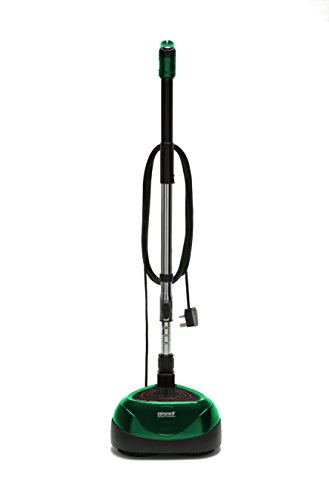
- Wood floor scrubber machine
- Steam mop for hardwood floors
- Wood-safe floor cleaner


Before You Start
Prepare a quick safety checklist: remove loose area rugs, protect transitions between rooms, and clear obstacles. Check floor finish type (polyurethane, wax, or unfinished) and avoid excess moisture which can warp wood. Time estimate: 20–40 minutes for a standard room, longer for large areas or multiple rooms. Important: never flood the floor; use only damp mops and follow product directions to preserve finish and color.
Step-By-Step: How To Clean Wooden Floors
- Clear the area of furniture or place protective pads under legs to prevent scratches.
- Run a dry microfiber dust mop to remove loose dust and debris before any damp cleaning.
- Spot-clean spills immediately with a soft cloth to prevent staining or water damage.
- Lightly dampen your microfiber mop with a wood-safe cleaner, wringing out excess moisture.
- Clean in the direction of the wood grain to lift debris without abrading the finish.
- For stubborn spots, gently use a wood floor scrubber machine on a low setting, avoiding prolonged contact on any one area.
- Rinse or go over with a clean damp microfiber pad if required by the cleaner’s instructions to remove residue.
- Allow floors to air-dry completely before returning furniture to avoid moisture exposure.
- Regularly inspect and maintain floor finishes; reapply as recommended by the finish manufacturer.
- For hard-wax or unfinished floors, consult the original finish guide before using any cleaner or machine.
- Schedule routine cleanings based on foot traffic and household pets to minimize buildup over time.
- Document a maintenance log noting product types and cleaning dates for future reference.
Troubleshooting
| Symptom | Likely Cause | Fix | Prevention |
|---|---|---|---|
| Streaks after cleaning | Residue from cleaner or mineral deposits | Rinse with a damp mop and use a wood-safe cleaner | Use distilled water when possible; follow dilution guidelines |
| Warping or cupping edges | Excess moisture or spills | Dry area thoroughly; recheck humidity levels | Never saturate with moisture; promptly wipe spills |
| Scratches showing | Rough mop pad or grit | Switch to a fresh microfiber pad; remove grit before cleaning | Use floor mats and clean shoes/tracking grit regularly |
| Finish dulls over time | Harsh cleaners or over-wetting | Switch to pH-balanced wood cleaner; reduce moisture | Follow finish manufacturer guidelines |
Common Mistakes To Avoid
- Using lotsof water on wood floors, which can cause warping
- Cleaning with abrasive pads or harsh chemicals
- Ignoring manufacturer recommendations for specific finishes
- Skipping drying time after cleaning, especially near doorways or vents
Tips For Best Results
- Dust floors daily with a microfiber dry mop to minimize moisture needs during mopping.
- Test any cleaner in a hidden area before full application to avoid discoloration.
- Maintain humidity between 35–55% to preserve wood structure and finish.
- Rotate cleaning methods seasonally to reduce wear in high-traffic zones.
- Use doormats at entrances to reduce tracked-in dirt and grit.
Call A Professional
Consider professional help if you notice persistent swelling, peeling finishes, large water exposure, or if you plan major refinishing work. Stop cleaning and contact a flooring expert when you see soft spots, pronounced cupping, or mold growth, which require specialized assessment and repair.
FAQ
Is a steam mop safe for wooden floors?
Steam mops can be safe on certain sealed hardwood floors when used on low heat and minimal moisture; always follow the manufacturer’s guidelines and test a hidden area first.
Can I use regular household cleaners on wood floors?
Only if they are labeled safe for wood floors. Avoid vinegar, ammonia, or bleach unless specifically approved for your finish.
How often should I mop wood floors?
Most homes benefit from weekly light cleaning; mop more often in high-traffic areas and after spills.
What’s the best way to maintain a wood floor finish?
Use a cleaner designed for wood floors, avoid excessive moisture, and recoat or seal as recommended by the finish manufacturer.
Buying Guide
When choosing tools and cleaners for wood floors, consider size, noise, and efficiency. For most households, a microfiber mop for wood floors provides gentle, effective cleaning without oversaturation. A wood floor scrubber machine can help with stubborn grime, but verify compatibility with your finish. A steam mop for hardwood floors may offer quick sanitizing power, yet only use if your floor is rated for steam and the manufacturer approves. Look for pH-balanced, wood-safe cleaners that won’t dull the finish or cause water damage. Evaluate energy usage in powered devices and consider storage footprint for compact living spaces. Finally, prioritize versatile tools that work across rooms and floors, including kitchens and entryways, for consistent results.
Leave a Reply