How to Clean Milk Out of a Mattress
Milk spills can lead to lingering stains and odors if not handled promptly. This guide provides a practical, step-by-step approach using common products and practical techniques to restore a mattress and keep it fresh. For best results, act quickly, test cleaners in an inconspicuous area, and follow safety guidelines to protect both the mattress and your health.
Quick Answer
Act fast to blot the spill, then use an enzyme cleaner milk stain remover for mattresses to break down the proteins. Follow with baking soda to deodorize, and if needed, a portable upholstery steam cleaner for milk stains on mattress to lift remaining residues. Always finish with thorough drying before remaking the bed.
What You’ll Need
- Enzyme cleaner milk stain remover for mattresses
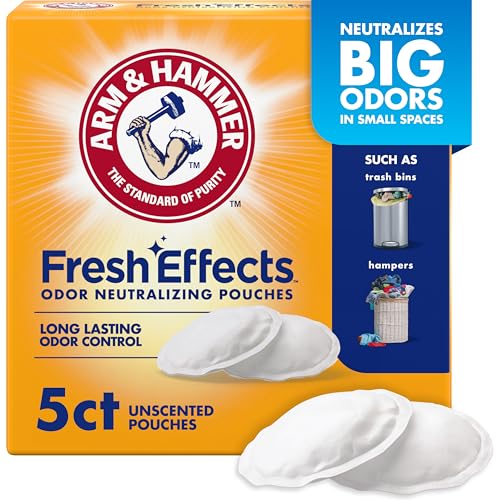
- Baking soda deodorizer for mattress stains and odors
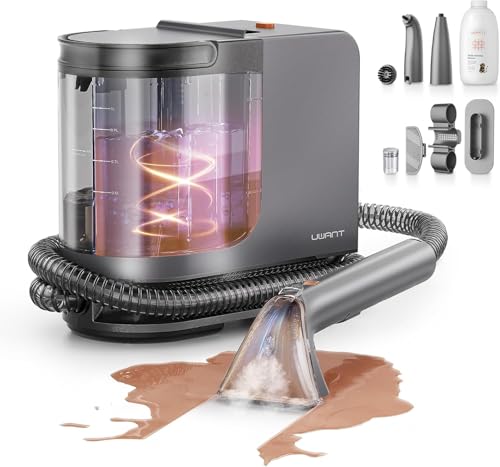
- Portable upholstery steam cleaner for milk stains on mattress
- Clean white cloths or towels
- Water (lukewarm)
- Optional: a fan or hair dryer for faster drying

Before You Start
Preliminaries include removing all bedding and moving the mattress slightly if possible to access the spill area. Test any cleaner in a hidden area first to ensure no color transfer or material damage. Work in a well-ventilated room to minimize fumes. Allow adequate time for drying; dampness can lead to mold growth if left unattended.
Step-By-Step: How To Clean Milk Out Of A Mattress
- Blot gently with a clean white cloth to absorb excess milk without pushing it deeper into the core.
- Apply a small amount of enzyme cleaner milk stain remover for mattresses to the damp area, following the product instructions for quantity and dwell time.
- Blot again to lift loosened proteins and stains; avoid scrubbing which can spread the stain.
- Sprinkle a light layer of baking soda deodorizer for mattress stains and odors over the treated area to absorb moisture and neutralize odors.
- Allow the baking soda to sit for 15–30 minutes, then vacuum or brush it away completely.
- If odor or moisture remains, use a portable upholstery steam cleaner for milk stains on mattress according to its instructions, focusing on the affected zone without over-wetting.
- After steaming, lightly mist the area with water to rinse the cleaner residues, then blot with a dry cloth.
- Let the mattress air-dry in a well-ventilated room; use a fan to speed up drying if possible.
- Inspect the spot for any remaining stain or odor; repeat treatment if necessary, then re-band and allow full drying before use.
- Optional final step: once completely dry, vacuum the mattress surface to remove any lingering particles and maintain a clean surface for sleep.
- Return bedding only after the mattress is thoroughly dry to prevent moisture trapping.
Troubleshooting
| Symptom | Likely Cause | Fix | Prevention |
|---|---|---|---|
| Persistent odor after cleaning | Incomplete deodorization | Reapply baking soda and dwell longer; consider enzyme cleaner again | Prompt treatment and thorough drying |
| Stain reappears after drying | Residual proteins left in the fiber | Repeat enzyme cleaner step and ensure thorough drying | Work gently, don’t oversaturate |
| Sticky or tacky surface | Cleaning residues left behind | Rinse lightly with damp cloth and blot completely | Test spray and use minimal liquid |
| Water marks or patterning | Uneven drying | Rotate mattress, increase airflow, finish with even drying | Even coverage during cleaning |
Common Mistakes
- Using hot water or heat sources directly on a mattress can set stains and odors.
- Over-wetting the mattress can lead to mold and mildew growth inside the padding.
- Skipping a patch test could damage fabrics or cause color bleed.
- Rushing the drying process may trap moisture and produce lingering odors.
Tips For Best Results
- Act quickly after a spill to minimize protein absorption into the foam or padding.
- Use enzyme-based cleaners designed for milk stains to break down proteins effectively.
- Pair enzymatic cleaning with baking soda for odor control and moisture absorption.
- Ventilate the room and use fans or a hair dryer on a cool setting to speed up drying.
- Keep pets and children away from the treated area until fully dry.
Call A Professional
Consider professional help if the spill covers a large area, the stain persists after multiple cleanings, or there is any suspicion of odor persistence despite proper treatment. Seek a pro for suspected mold growth, structural damage to the mattress, or if the mattress contains specialty materials that require specific care.
FAQ
Can I clean milk stains on a memory foam mattress?
Yes, following the enzyme cleaner steps and careful drying helps protect memory foam while removing stains.
Is baking soda safe on all mattress types?
In most cases, yes, but always test in a hidden area first and wipe away the residue after deodorizing.
How long should I wait before using the bed again after cleaning?
Allow at least several hours for complete drying; longer is better in humid conditions.
Will steam cleaning damage my mattress?
Steam can be effective if used with care to avoid over-wetting; follow device instructions and use a low-heat setting.
What if the stain returns after washing?
Repeat the enzymatic cleaning and deodorizing steps; persistent stains may require additional treatment or professional help.
Is it better to replace the mattress after a milk spill?
Usually not necessary if the stain is addressed promptly and thoroughly; however, replace if lingering odors or mold concerns persist.
Buying Guide
When selecting products to tackle milk stains and odors, consider several factors that influence effectiveness and ease of use.
Size and Coverage
Choose an enzyme cleaner that suits the spill area and a baking soda deodorizer large enough to cover the affected zone. For larger mattresses, a portable upholstery steam cleaner with a wide head can speed up coverage.
Noise Level
Steam cleaners can be louder; look for models with a lower operating sound if bedroom use is a concern.
Energy Efficiency
Opt for energy-efficient cleaners and devices; many steam cleaners offer adjustable power and temperature controls to minimize energy use.
Controls and Usability
Simple spray bottles or ready-to-use formulas reduce setup time. A cleaning system with clear dwell-time directions helps achieve consistent results.
Placement and Storage
Store cleaners in a cool, dry place away from children and pets. Keep a dedicated spot near the laundry or bedroom for quick spill response.
Multi-Function Value
Products that combine deodorizing, stain removal, and surface cleaning provide a comprehensive solution without clutter.
Durability and Material Compatibility
Ensure cleaners are safe for mattress fabrics and padding, including memory foam and innerspring toppers. Read labels for any material restrictions.
Safety Considerations
Always follow label directions, use protective gloves if needed, and ensure good ventilation during use.
Leave a Reply