How to Clean Wood Surfaces Safely and Effectively
Wood surfaces add warmth and character to any space, but they require a thoughtful cleaning routine to preserve their finish. This guide explains practical steps, the right products, and best practices for clean, renewed wood floors and furniture.
From dusting with the right tools to choosing appropriate cleaners and polishes, readers will learn how to remove grime without dulling or scratching the wood. The methods apply to a range of wood finishes and can help extend the life of wood floors and furniture.
Quick Answer
Use a dedicated wood floor cleaner spray for floors and a microfiber dust mop for wood furniture cleaning to capture dust without abrading surfaces. Finish with a wood furniture polish with oil conditioner to restore shine and add a protective layer.
What You’ll Need
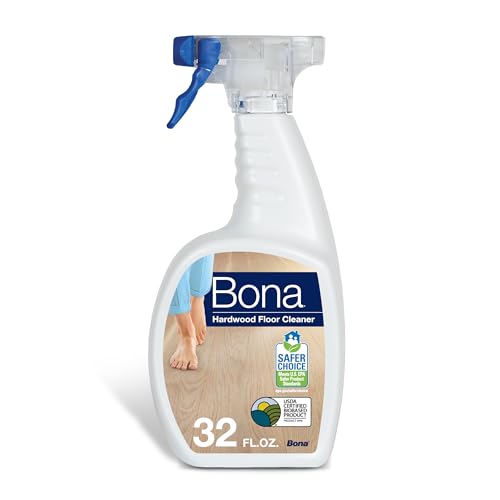
- Wood floor cleaner spray 32 oz or a gentle, pH-neutral cleaner approved for wood
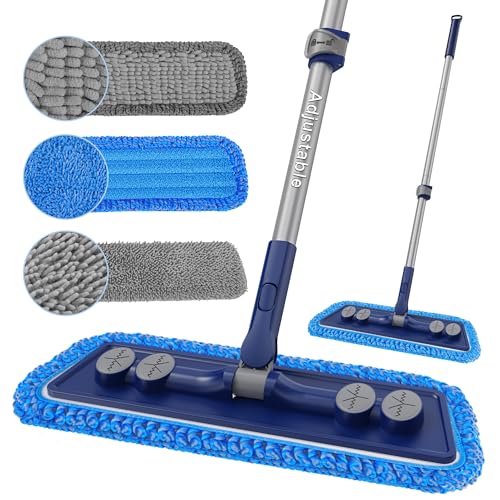
- Microfiber dust mop for wood furniture cleaning
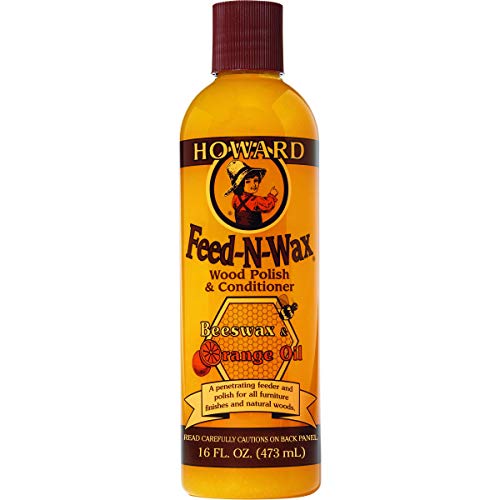
- Wood furniture polish with oil conditioner for conditioning and shine
- Optional: soft, lint-free cloths and a slightly damp microfiber cloth for stubborn spots
- Optional: a vacuum with a hardwood setting or a soft-bristle brush attachment
Before You Start
Prepare the room by removing items from surfaces and preventing access to pets and children during cleaning. Test cleaners in an inconspicuous area of wood furniture or flooring before full application to confirm that the finish isn’t affected. Allow time for floors to dry completely before foot traffic resumes. Never soak wood surfaces or use excessive water, which can cause warping or finish damage.
Time guidance: dusting takes a few minutes, cleaning floors about 15–30 minutes, and polishing surfaces 10–20 minutes depending on the area.
Step-By-Step: How To Clean Wood Surfaces
- Clear the area and remove loose dust with a vacuum on a hardwood setting or a dry microfiber cloth.
- Dust wood floors with a microfiber dust mop for wood furniture cleaning, using gentle, straight strokes along the grain.
- For sticky spots, lightly dampen the microfiber cloth or mop with a small amount of wood floor cleaner spray 32 oz, then wipe the area. Do not oversaturate the surface.
- Rinse or go over treated areas with a dry microfiber cloth to remove any cleaner residue.
- Apply a wood furniture polish with oil conditioner to wooden furniture following the grain, using a soft cloth in circular motions, then buff to a shine.
- Let the polish sit briefly to allow conditioning oils to absorb, then buff off any excess with a clean microfiber cloth.
- For frequent cleaning, repeat dusting daily and consider a light mist of cleaner weekly on floors and furniture as needed.
- Rotate furniture care: avoid placing cleaners directly on unfinished edges, and never spray cleaner directly onto bare floors or heat sources.
- Store all products in a cool, dry place away from direct sunlight to preserve potency and prevent product degradation.
- Revisit the routine seasonally to maintain gloss and protection, adjusting frequency based on use and exposure.
- For wood floors, always follow manufacturer guidance regarding cleaner compatibility with finish type (waxed, oiled, or sealed).
- Finish with a final wipe-down to remove any haze and ensure a uniform appearance across surfaces.
Troubleshooting
| Symptom | Likely Cause | Fix | Prevention |
|---|---|---|---|
| Streaks after cleaning | Residue from cleaner or insufficient drying | Wipe with a clean dry cloth; avoid excess cleaner | Use minimal product and dry thoroughly |
| Finish dulling after cleaning | Harsh cleaner or over-wetting | Switch to pH-neutral cleaner; apply less liquid | Test in a hidden spot first |
| Frequent scratches after cleaning | Dirty or abrasive cloth, grit on mop | Use a fresh microfiber cloth and mop; vacuum first | Keep floors dust-free with regular dusting |
| Polish not adhering well | Clean surface residue before polishing | Wipe with a clean microfiber cloth and buff | Wipe surfaces before applying polish |
Common Mistakes To Avoid
- Using ammonia-based cleaners on finished wood surfaces
- Using excessive water on wood floors or furniture
- Over-waxing or over-oiling, leading to a sticky buildup
- Forgetting to test cleaners on a small area before full use
By steering clear of these missteps, finishes stay intact and wood retains its natural beauty longer.
Tips For Best Results
- Dust regularly to prevent buildup that demands stronger cleaning
- Use a two-step approach: dust first, then clean with a targeted product
- Choose cleaners labeled safe for the specific finish on your wood
- Condition weekly or per manufacturer recommendations for high-traffic surfaces
- Buff surfaces with a microfiber cloth to maximize shine without scratches
Call A Professional
Consider hiring a pro if wood surfaces show deep scratches, water damage, peeling finishes, or if a refinishing appointment is needed. Seek expert help when large areas require restoration beyond routine cleaning or if you notice persistent hazing or discoloration that cleaning cannot resolve.
FAQ
Is it safe to use spray cleaners on wood floors?
Yes, when the product is labeled for wood floors and used as directed with minimal moisture.
How often should I polish wood furniture?
Polishing frequency depends on use, but every 1–3 months helps maintain shine and conditioning.
Can I use the same cleaner on floors and furniture?
Prefer products formulated for each surface, as finishes and coatings vary.
What should I do about water rings or rings from drinks?
Gently buff with a microfiber cloth after addressing the spill and consider polishing once dry to restore luster.
Buying Guide
When choosing wood cleaning products, consider key factors that impact performance and safety across floors and furniture.
- Size and concentration: Larger bottles reduce frequent purchases, but ensure the formula remains effective at low concentrations.
- Noise level and user experience: For spray application, a well-designed spray bottle reduces drips and hassle.
- Energy efficiency: Not applicable to cleaning products, but choose packaging that minimizes waste and is recyclable.
- Controls and ease of use: Look for simple, labeled directions and a product that suits your finish type.
- Placement and storage: Store in a cool, dry place away from sunlight; keep out of reach of children and pets.
- Finish compatibility: Confirm the cleaner is appropriate for your wood’s finish (sealed, waxed, oiled, or polyurethane).
- Multi-surface versatility: Some products are safe for both floors and furniture, but verify each surface’s requirements.
For families with pets or children, prioritize non-toxic formulas and fragrance-free options when possible. If in doubt, consult product labels or reach out to the manufacturer for guidance on your specific wood species and finish.
Leave a Reply