How to Clean Burnt Ceramic Nonstick Pan
Burnt residue on a ceramic nonstick pan can dull its performance and shorten its life if not cleaned properly. This guide provides a safe, effective method using common household tools and the right care techniques to restore your pan without scratching the coating.
Follow these steps to remove burnt-on food while protecting the nonstick surface. The focus is on gentle abrasion, proper cleaners, and thorough rinsing to keep your ceramic cookware looking and cooking like new.
Quick Answer
Gentle heat, a soft scraper, and a ceramic-friendly cleaner can remove burnt residues without damaging the coating. Use a non-scratch nylon scrubber, a pan scraper for burnt-on food, and a ceramic cookware cleaning paste. Rinse, dry, and re-season lightly if your pan requires it.
What You’ll Need
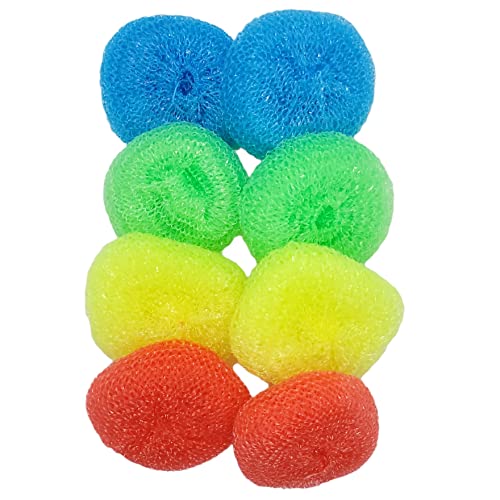
- Non-scratch nylon scrubber for nonstick pans
- Pan scraper for burnt-on food
- Ceramic cookware cleaning paste
- Warm water and mild dish soap
- Soft cloth or towel for drying


Before You Start
Inspect the pan for deep scratches or delamination. If the coating is seriously damaged, consider replacement. Use low-to-medium heat and avoid high-temperature soaking, which can warp the pan’s base. Always wash with warm water to prevent thermal shock. Never use steel wool or abrasive powders on ceramic nonstick surfaces.
Time estimate: 15–25 minutes for light to moderate burnt-on residue. Heavier stains may take two cycles. Work in a well-ventilated area and keep children away from cleaning activity.
Step-By-Step: How To Clean Burnt Ceramic Nonstick Pan
- Allow the pan to cool, then remove loose debris with a soft sponge under warm running water.
- Pour a small amount of warm water into the pan and add a dot of ceramic cookware cleaning paste to create a gentle cleaning solution.
- Let the paste sit for 5–10 minutes to loosen burnt-on material, especially around the edges and any ridges.
- Gently scrub with a non-scratch nylon scrubber for nonstick pans, applying light circular motions to avoid scratching.
- If residue remains, use a pan scraper for burnt-on food to lift it away carefully without gouging the coating.
- Rinse with warm water and repeat the cleaning cycle as needed until the surface looks clean.
- Dry the pan completely with a soft cloth to prevent water spots and mineral deposits.
- Lightly wipe the interior with a small amount of oil or a thin film of paste to restore a protective layer, then wipe off any excess.
- Perform a quick routine wash before cooking next time to maintain nonstick performance.
- Store the pan in a dry place, avoiding stacks that can scratch the surface.
Troubleshooting
| Symptom | Likely Cause | Fix | Prevention |
|---|---|---|---|
| Stubborn burnt marks persist after cleaning | Residue baked onto coating | Repeat cleaning with paste and gentle scrubbing | Avoid overheating; preheat with oil only as needed |
| Discoloration around edges | Heat exposure and mineral deposits | Soak briefly in warm soapy water, then re-clean | Use medium heat and avoid dry heating |
| Coating looks dull after cleaning | Over-scratching or harsh cleaners | Switch to gentler tools; use ceramic cookware cleaning paste properly | Stick to non-scratch tools and appropriate cleaners |
| Scratches appear on interior | Aggressive scrubbing or metal utensils | Discontinue use of abrasive tools immediately | Replace worn pan to prevent further issues |
Common Mistakes
- Using metal spatulas or harsh abrasives on ceramic nonstick surfaces
- Soaking in hot water for extended periods
- Using high heat and burning food repeatedly
- Skipping thorough drying after washing
Tips For Best Results
- Always preheat cookware with a small amount of oil to minimize sticking.
- Choose a non-scratch nylon scrubber designed for nonstick pans to avoid scratches.
- Apply a thin layer of ceramic cookware cleaning paste only as needed to prevent buildup.
- Rinse completely to remove all cleaner residues before cooking again.
- Allow the pan to cool gradually to prevent thermal shock that can warp the base.
Call A Professional
Contact a professional if the pan shows deep coating damage, persistent peeling, or warping that affects cooking performance. If the pan is part of a larger set with visible deterioration, replacement may be more cost-effective than restoration.
FAQ
Can I use vinegar to clean burnt ceramic nonstick pans?
Vinegar can be used in a diluted solution for mineral deposits, but avoid harsh concentrations that could affect the coating. Test on a small area first.
Is it safe to use baking soda on ceramic nonstick pans?
Yes, a mild paste of baking soda and water can help with tough stains when used with a soft scrubber—avoid abrasive scrubbing.
How often should I clean my ceramic nonstick pan?
Clean after each use to prevent buildup. A deeper clean every few uses helps maintain performance.
What if the nonstick coating starts to peel?
Cease use immediately and replace the pan. Peeling indicates coating failure and potential health concerns.
Can I re-season a ceramic nonstick pan after cleaning?
Some pans benefit from a light oil wipe after cleaning; check the manufacturer’s advice for your specific model.
Buying Guide
When selecting a ceramic nonstick pan, consider size and weight, as well as the material’s durability. Look for pans with a solid, well-fitting lid and a comfortable handle designed for oven-safe use if needed. Noise level is typically not a concern for cleaning, but you may notice more squeaking if coatings are worn. Energy efficiency isn’t tied to the pan itself, but choosing a pan with uniform base contact helps even heating and reduces cooking time. Controls and placement factors refer to how the pan fits your stove and storage space. Compare sizes, nonstick performance, and compatibility with your stove type to choose the best option for your kitchen workflow.
Leave a Reply