How to Clean Windows With Vinegar for Streak-Free Glass
Vinegar is a classic, budget-friendly cleaner for glass surfaces. When used correctly, it can cut through grease, remove mineral deposits, and leave windows sparkling without heavy chemical residues. This guide outlines a simple, effective method for Americans to achieve streak-free results using common household supplies and a few careful steps.
Whether you’re tidying up after a deep-clean or maintaining a steady routine, the vinegar-based approach is versatile for interior and exterior windows. Follow the steps below to minimize streaks and maximize clarity, even on sunny days when evaporation can cause wisps if not done properly.
Quick Answer
Best practice: use a vinegar-water solution, apply with a reusable spray bottle, wipe with a microfiber cloth, and finish with a streak-free squeegee for crisp edges. Work in shade if possible and dry surfaces from top to bottom to prevent drips.
What You’ll Need
Gather these tools and materials to clean windows effectively with vinegar:
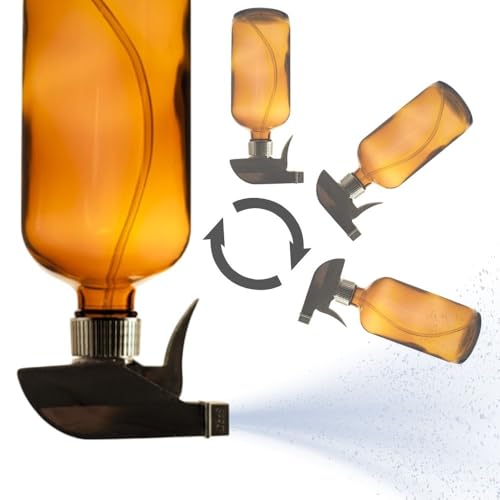
- reusable spray bottle 32 oz for vinegar-based glass cleaner
- microfiber window cleaning cloth 16×16 inches non-abrasive
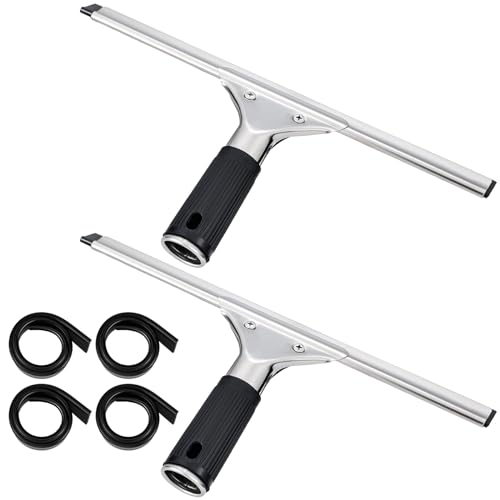
- streak-free window squeegee with rubber blade 12 inch

Before You Start
Safety and surface prep help prevent damage and ensure the best outcome. Clear away obstacles near windows and protect nearby surfaces from splashes. Prepare a simple solution of household vinegar and water (typically equal parts). If you’re cleaning kitchen windows or areas with heavy grime, you may increase vinegar concentration cautiously but avoid undiluted neat vinegar on sensitive finishes. Test on a small inconspicuous area first to confirm no staining or dulling occurs. Plan for steady, moderate temperatures and avoid cleaning in direct sun to prevent rapid drying that can cause streaks.
Step-By-Step: How To Clean Windows With Vinegar
- Dust and remove loose dirt from the window frame and sill to prevent rubbing dirt across the glass.
- Fill the reusable spray bottle 32 oz for vinegar-based glass cleaner with a vinegar-water solution. A typical mix is 1 part white vinegar to 1 part water.
- Spray the glass generously, focusing on greasy spots, smudges, and hard water marks.
- Hold the streak-free window squeegee with rubber blade 12 inch at a slight angle and pull from the top corner, working in vertical or horizontal strokes. Wipe the blade with a microfiber cloth after each pass.
- For corners and edges, use the microfiber cloth to wipe away remaining moisture and residue in a downward motion.
- Use a dry microfiber cloth to go over the entire surface in a final pass, catching any droplets that form as the surface dries.
- If stubborn spots persist, re-spray lightly and re-wipe with a clean microfiber cloth, ensuring the cloth remains damp—not soaked.
- Repeat on the remaining panes. Clean one pane at a time to minimize drips onto already-clean areas.
- For exterior windows or high spots, consider extending the squeegee or using a shorter ladder with caution, keeping three points of contact at all times.
- Inspect the glass in natural light. If streaks are visible, buff them with a fresh microfiber cloth in small circular motions.
- Clean the window tracks and frames separately if needed, using a damp microfiber cloth and a mild cleaning solution to prevent transfer of dirt back onto the glass.
- Dispose of any leftover rinse water and store tools in a dry, ventilated area to avoid mold growth.
Troubleshooting
| Symptom | Likely Cause | Fix | Prevention |
|---|---|---|---|
| Streaks after drying | Drying too quickly or uneven pressure | Wipe with a clean microfiber cloth using even pressure | Work in shade and maintain a consistent technique |
| Cloudy or etched look | Hard water mineral deposits | Re-wet with vinegar solution and re-squeegee | Rinse glass with distilled water before cleaning |
| Residue around edges | Overspray on frame or squeegee drag | Wipe edges with microfiber cloth after squeegeeing | Use a narrower edge of squeegee for corners |
| Streaks in direct sun | Rapid drying trapping residue | Work in shade or on cooler parts of the day | Schedule cleaning for early morning or late afternoon |
Common Mistakes
- Using dull or dirty cloths that spread grease instead of lifting it
- Over-wetting the glass and letting it sit too long
- Using rough sponges that scratch the surface
- Skipping a final wipe with a dry microfiber cloth
Tips For Best Results
- Use warm, not hot, vinegar solution for better grease cutting and evaporation control.
- Keep the squeegee blade clean and dry to prevent dragging grime across the pane.
- Place a microfiber cloth on the sill to catch drips and protect flooring.
- Label the spray bottle clearly to avoid mixing cleaners with other products.
Call A Professional
Consider calling a professional if windows are severely stained, have extensive mineral buildup, or involve hard-to-reach exterior panes. Stop signs include persistent etching, damaged glazing, or the need for window frame repairs. If you lack the proper ladder or safety equipment for high installations, seek an expert to avoid injury.
FAQ
Can I use plain white vinegar for cleaning windows?
Yes, plain white vinegar is effective for cleaning glass when diluted with water.
Will vinegar leave a smell after cleaning?
Most vinegar odors dissipate quickly once the glass dries.
How often should I clean windows with vinegar?
Frequency depends on climate and environment; monthly cleaning keeps panes clear, while seasonal cleaning is common in many homes.
Can I use vinegar on tinted windows?
Test in a small area first to ensure no distortion or whitening of the tint coating occurs.
Buying Guide
When selecting cleaning tools for vinegar-based window cleaning, consider these factors to optimize results and ease of use.
- <bSize and ergonomics: A 32 oz spray bottle is a good balance between capacity and maneuverability, and a 12-inch squeegee provides efficient coverage on standard windows.
- <bNoise and comfort: Squeegees with cushioned handles reduce fatigue during larger cleaning tasks; look for smooth-rolling blades to minimize noise and drag.
- <bMaterial compatibility: Microfiber cloths are non-abrasive and highly effective at lifting residues without scratching glass.
- <bEnergy efficiency: Reusable tools reduce waste and save money, aligning with eco-friendly practices without sacrificing performance.
- <bControls and ease of use: A spray bottle with adjustable spray patterns helps apply the vinegar solution evenly across surfaces.
- <bPlacement and storage: Store tools in a dry, ventilated area. Use dedicated caddies or bins to keep glass cleaning supplies organized and ready for the next use.
For best results, pair the recommended tools above with consistent technique and shade-friendly scheduling. Curious about how different environments affect results? Consider testing on a small area before tackling larger panes.
Leave a Reply