How to Clean a Betta Fish Tank
Keeping a betta fish healthy starts with a clean and stable tank environment. Regular maintenance helps prevent waste buildup, algae growth, and disease. This guide provides practical steps, safety notes, and affordable tools to simplify cleaning a betta tank for American households.
Quick Answer
Perform a partial water change weekly, siphon the gravel to remove debris, wipe the glass with a non‑abrasive algae scraper, and inspect filtration and heat to maintain stable water conditions. Use a dedicated betta tank cleaning kit for ease, and avoid shocking the fish with rapid temperature changes.
What You’ll Need
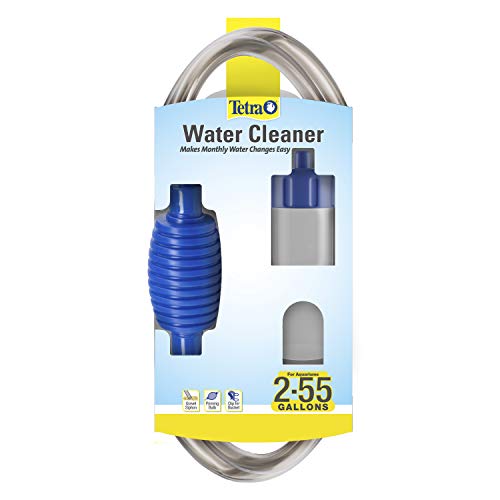
- Betta tank gravel siphon water changer
- Betta fish tank cleaning kit
- Small aquarium algae scraper for betta tank
- Water conditioner safe for fish
- Replacement water testing strips (ammonia, nitrite, nitrate)
- Bucket or trough for transporting water

Before You Start
Before any cleaning, turn off and unplug equipment to avoid electrical hazards. Use a aquarium heater thermometer to monitor water temperature; sudden changes can stress the betta. Always treat tap water with a conditioner to remove chlorine and chloramines. Plan for a 10–25% water change per cleaning session, depending on tank size and filter efficiency. Never remove the betta from the tank for extended periods; it will experience stress and potential injury.
Step-By-Step: How To Clean A Betta Tank
- Gather your cleaning tools and place them within easy reach to minimize time the tank is open.
- Unplug filtration and heating equipment to avoid backflow or electrical hazards.
- Prepare new water by treating it with a trusted water conditioner and matching the temperature to the tank (within 1–2°C).
- Carefully remove decorations if they hinder cleaning; rinse them with tank water only to avoid introducing chlorine.
- Use the gravel siphon to vacuum the substrate, pulling up detritus, uneaten food, and waste without disturbing loose gravel excessively.
- Wipe the interior glass with a small algae scraper, moving in short, steady strokes to remove algae without scratching the surface.
- Refill the tank with treated water, maintaining a consistent temperature and ensuring the water line is below the top to prevent overflow.
- Turn on the heater and filtration, then monitor for steady operation and stable water parameters over the next 24 hours.
- Check for any signs of stress in the betta, such as rapid gill movement or reduced activity, and adjust as necessary.
- Record maintenance notes (date, partial water change percentage, observations) to track trends over time.
- Schedule regular cleanings based on tank size and bioload to keep the environment balanced.
- If algae reappears quickly, review light exposure duration and feeding amounts to reduce excess nutrients.
Troubleshooting
| Symptom | Likely Cause | Fix | Prevention |
|---|---|---|---|
| Cloudy water | Overfeeding or bacterial bloom | Perform partial water changes; avoid overfeeding | Feed small portions and remove leftovers promptly |
| Excessive algae | Too much light or nutrients | Limit light exposure and reduce feeding; clean surfaces | Use a timer for consistent light cycles |
| Strange odors | Decaying organic matter | Siphon gravel and perform water changes; clean decorations | Clean regularly and remove dead plant material |
| Betta stays at bottom | Water quality or stress | Test water; adjust parameters; ensure stable temperature | Regular maintenance schedule |
Common Mistakes
- Overfilling the tank during refills, causing stress or spills.
- Using plain tap water without a conditioner, harming fish.
- Scrubbing surfaces too aggressively and scratching glass or plastic.
- Neglecting routine maintenance, leading to buildup and disease.
Tips For Best Results
- Schedule a weekly partial water change that matches the tank’s bioload and filtration.
- Rotate decorations and rinse them with tank water to avoid new contaminants.
- Keep a consistent temperature, ideally between 76–80°F, to support betta health.
- Monitor ammonia, nitrite, and nitrate levels periodically to catch imbalances early.
- Use a dedicated algae scraper to prevent cross-contamination with other tanks.
Call A Professional
Call a professional if the betta shows persistent lethargy, loss of appetite, unusual swimming patterns, or visible fin rot despite clean water and stable parameters. Seal leaks, strange noises from equipment, or persistent haze in the water are also signs to seek expert help.
FAQ
How often should I clean a betta tank?
Most betta tanks benefit from a partial water change weekly, with substrate siphoning every 1–2 weeks depending on debris build-up.
Can I use tap water for my betta tank?
Yes, after treating with a water conditioner to remove chlorine and chloramines, and matching temperature.
What size gravel is best for a betta tank?
A fine to medium substrate is ideal, allowing easy siphoning without clogging the siphon.
What should I do if algae returns quickly?
Check light duration, feeding amounts, and nutrient input; reduce light exposure and clean more frequently if needed.
Is a fish tank cleaning kit necessary?
A dedicated kit simplifies the process and helps prevent cross-contamination between tanks.
Should I remove the betta during cleaning?
In most cases, it is safer to keep the betta in the tank and perform gentle cleaning; only consider removing if absolutely necessary and you can prevent stress.
What about water changes after new fish are added?
Newly added fish require stable conditions; smaller water changes for the first week help acclimate while monitoring the cycle.
Buying Guide
When selecting gear for cleaning a betta tank, consider size, noise, energy use, and compatibility with your setup. A compact betta tank cleaning kit and a dedicated gravel siphon water changer simplify regular maintenance. Look for an algae scraper that is gentle on glass or acrylic and designed for small tanks. If you run multiple tanks, ensure the kit components are clearly labeled and easy to sterilize. Evaluate your tank’s filtration; compatible tools reduce stress on the betta and improve care consistency. Finally, check customer reviews for reliability and ease of use to ensure the products meet your routine needs.
Leave a Reply