How to Clean Urine From Perforated Leather Car Seat
Perforated leather seats add comfort and style to many vehicles, but they require careful cleaning to remove urine without damaging the material. This guide provides practical, step-by-step instructions using common car upholstery products designed for perforated leather.
Following the right cleaning method helps preserve color, texture, and breathability while eliminating odor. The steps combine enzymatic cleaners, gentle leather care, and proper drying to minimize staining and future odors.
Quick Answer
Act quickly to blot and remove as much liquid as possible, use an enzyme-based urine odor remover designed for car leather upholstery, then apply a leather cleaner spray formulated for perforated surfaces. Finish with a dedicated leather conditioner to keep pores flexible and prevent cracking.
What You’ll Need
- Leather car seat cleaner spray perforated leather upholstery
- Enzyme urine odor remover for car leather upholstery
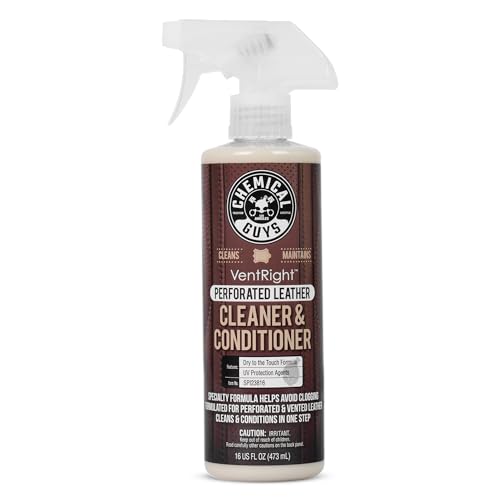
- Car leather conditioner and cleaner kit for perforated seats
- Soft microfiber cloths or towels
- Distilled water (optional for dilution)
- Soft-bristle brush (optional for textured perforations)

Before You Start
Test any cleaner on a hidden area of the seat to check colorfastness. Work in a well-ventilated area and use gloves to protect skin. For perforated panels, avoid soaking to prevent moisture from penetrating padding. Time to complete can vary; plan for 30–60 minutes for the cleaning and drying phases. Do not use household bleach or harsh solvents, which can damage perforated leather.
Step-By-Step: How To Clean Urine From Perforated Leather Car Seat
- Blot the affected area with a clean microfiber cloth to absorb as much liquid as possible without rubbing, which can spread stains.
- Spray a light mist of enzyme urine odor remover designed for car leather upholstery onto the damp area, avoiding oversaturation.
- Gently blot again with a clean cloth to lift enzymes and moisture from the perforations and surface.
- Apply a leather car seat cleaner spray perforated leather upholstery to a new cloth and wipe in the direction of the grain, paying attention to the perforated sections.
- For stubborn spots, use a soft-bristle brush to softly agitate the area, then blot away excess cleaning solution.
- Rinse the area lightly with a cloth dampened with distilled water if the cleaner instructs it, then blot dry.
- Apply a car leather conditioner and cleaner kit for perforated seats following the product’s directions, focusing on the edges of perforations.
- Allow the seat to air-dry completely. If possible, keep the area ventilated and avoid sitting until fully dry.
- Recheck for odor; if any remains, repeat the enzyme treatment and odor removal step.
- Protect the seat afterward with a conditioner to maintain flexibility and prevent cracks in the perforated texture.
Troubleshooting
| Symptom | Likely Cause | Fix | Prevention |
|---|---|---|---|
| Residual odor after cleaning | Incomplete enzyme treatment | Reapply enzyme odor remover and allow longer dwell time | Treat promptly; use odor remover within 24 hours of incident |
| Leather feels stiff after cleaning | Over-drying or harsh cleaners | Apply conditioner and wipe evenly | Use minimal spray; avoid over-wetting |
| Staining around perforations | Solutions pooled in pores | Blot, then lightly brush with a soft brush | Use light mist and multiple passes |
| Color transfer to cloths | Bleed from dye or cleaner | Test dye fastness on hidden area; switch products if bleed occurs | Choose products compatible with your leather type |
Common Mistakes
- Using too much cleaner or water on perforated leather, which can seep into padding
- Rubbing aggressively, causing scuffs or perforation tears
- Skipping a proper drying step, leaving residual moisture and odor
- Using household cleaners not designed for leather
Sticking to perimeters of perforations and testing products first helps avoid these issues.
Tips For Best Results
- Work in small sections to control moisture and prevent spread across perforations
- Choose enzymatic odor removers formulated specifically for car leather upholstery
- Keep cleaners at room temperature for better performance
- Regular conditioning after cleaning maintains suppleness and longevity
- Consider a protective leather coating designed for perforated seats if the car frequently exposes upholstery to spills
Call A Professional
Seek professional help if the urine stain is deep, the odor persists after multiple cleanings, or if the perforation pattern shows signs of damage. Immediate professional assessment is advised for large spills, color fading, or seepage into sublayers.
FAQ
Is it safe to use enzyme cleaners on perforated leather?
Yes, when labeled for leather upholstery, enzyme cleaners break down organic stains without harsh solvents.
Can I use a steam cleaner on perforated leather seats?
Steam can force moisture into seams and padding; use only if the product instructions allow and use sparingly.
How long does perforated leather take to dry after cleaning?
Typically 1–4 hours depending on humidity and airflow; ensure complete dryness before use.
Should I condition the seat after every cleaning?
Yes, conditioning helps restore moisture and flexibility after cleaning and drying.
What if the odor returns after cleaning?
Repeat the enzyme odor removal step and consider a more thorough conditioning routine to seal in freshness.
Are there environmental or safety tips for cleaning car leather?
Work in a ventilated area, wear gloves, and store cleaners out of reach of children and pets.
Buying Guide
Choosing the right products for perforated leather seats requires considering size, odor control, and conditioning needs. When selecting a cleaning regimen, prioritize products that are specifically designed for perforated leather upholstery and car interiors. Look for enzyme-based odor removers that are safe on leather, and pairing with a conditioner that preserves breathability in perforations.
Key buying factors include size and coverage to match seat areas, noise level only relevant to spray application tools, energy efficiency not a primary concern for manual cleaning, controls that simplify spray and brush usage, and placement of cleaners to avoid oversaturation near seams. For best results, compare kits that include a cleaner spray, an enzyme odor remover, and a dedicated leather conditioner designed for perforated seats. Consider customer reviews, brand compatibility with your leather type, and the ease of use when cleaning hard-to-reach perforations.
Thinking about the long-term care? A comprehensive kit can streamline regular maintenance, helping prevent odors and keep perforated leather looking and feeling premium. If the car sees frequent spills, a protective conditioner or sealant may extend the life of perforated panels without clogging pores.
Leave a Reply