How to Clean Urine From Leather Couch
Leather couches add elegance and durability to living spaces, but accidents happen. Cleaning urine from leather requires care to protect the finish while removing odors and stains. This guide walks through practical steps, choosing the right products, and avoiding common pitfalls to restore your furniture.
Quick Answer
Act quickly to blot up urine, then treat with a leather-safe enzyme cleaner designed for urine odor removal. Use a soft cloth and a spray bottle to apply the cleaner, then condition the leather afterward. For lingering odor, repeat the process and air dry away from sunlight and heat sources.
What You’ll Need
- Enzyme cleaner for leather furniture urine odor remover spray 16oz
- Leather couch cleaning kit microfiber cloths spray bottle for upholstery odor removal
- Leather sofa upholstery cleaner kit 12oz spray bottle enzyme cleaner
- Soap-free leather cleaner (gentle, pH-balanced)
- Soft, lint-free towels or microfiber cloths
- Leather conditioner or protectant
- Water in a spray bottle (for light dampening, if recommended by product instructions)


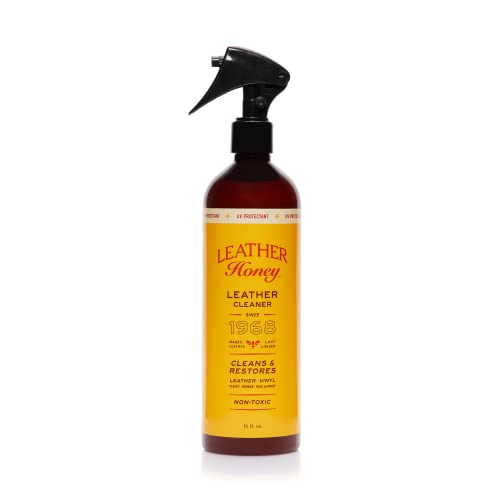
Before You Start
Before cleaning, test any product on a hidden area of the leather to ensure no color change or discoloration occurs. Use soft pressure when blotting to avoid rubbing the stain deeper into the grain. Work in a well-ventilated area and keep pets and children away during treatment. Time estimates vary, but plan about 30–60 minutes for initial cleaning and drying, plus additional hours for complete odor neutralization.
Step-By-Step: How To Clean Urine From Leather Couch
- Blot the area immediately with a clean, dry cloth to absorb as much liquid as possible. Do not rub, as rubbing can spread the urine and embed it into the leather.
- Lightly dampen a microfiber cloth with distilled water and gently wipe the affected area to remove surface residues. Use minimal moisture to avoid soaking the leather.
- Apply the enzyme cleaner for leather furniture urine odor remover spray 16oz according to the label. Hold the spray a few inches away and mist the stained area evenly. Do not oversaturate.
- Let the enzyme cleaner sit for the recommended contact time, usually 5–10 minutes, to break down organic matter and odor molecules.
- Blot again with a dry cloth to lift loosened residues. If the odor persists, repeat the enzyme cleaner application once more.
- Wipe the area with a clean, slightly damp cloth (using not more than a light mist of water) to remove any cleaner residue.
- Dry the surface with a dry microfiber cloth. Allow the leather to air-dry away from direct heat or sunlight, which can cause drying and cracking.
- Once completely dry, apply a leather conditioner or protectant to restore suppleness and create a barrier against future moisture. Follow product instructions for best results.
- If odor remains after the first treatment, repeat the steps in a controlled manner or consider a second cleaning session spaced 24–48 hours apart.
- For ongoing maintenance, use a leather-safe spray designed for upholstery and odor removal on a regular schedule to keep leather fresh.
- Refresh the surface with the leather conditioner after cleaning and allow the couch to rest before use.
Troubleshooting
| Symptom | Likely Cause | Fix | Prevention |
|---|---|---|---|
| Persistent odor after cleaning | Insufficient enzyme contact or deep stain | Reapply enzyme cleaner and extend contact time per label | Address spills promptly; blot, don’t rub |
| Leather sticky or tacky after cleaning | Residue from cleaner or improper drying | Wipe with a damp cloth to remove residue, then dry completely | Use minimal moisture and follow drying guidelines |
| Discoloration or color transfer | Testing not performed or product incompatible | Spot-test new products on hidden area; replace products if discoloration occurs | Always test before full application |
| Stiff leather after cleaning | Over-drying or harsh cleaners | Apply leather conditioner to restore suppleness | Use pH-balanced leather cleaners |
Common Mistakes
- Using aggressive household cleaners not designed for leather, which can strip finish or dry out the leather.
- Rubbing or scrubbing, which spreads stains and can damage the grain.
- Over-wetting the leather, leading to water damage or mold growth.
- Neglecting to condition the leather after cleaning, increasing the risk of cracking.
Tips For Best Results
- Act quickly after an accident to minimize penetration into the leather.
- Choose enzyme-based cleaners specifically formulated for leather upholstery to address odors safely.
- Always test cleaners on a hidden area first to guard against color changes.
- Follow air-drying guidelines and avoid heat sources that can dry out or warp leather.
- Pair cleaning with regular conditioning to keep the leather soft and resilient.
Call A Professional
Consider a professional if urine stains are extensive, the odor persists after multiple cleanings, or the leather shows significant color loss or cracking. Seek expert help when the damage affects hinges or structural components or if the piece is valuable antique leather.
FAQ
Is it safe to use enzyme cleaners on leather?
Yes, enzyme cleaners designed for leather upholstery are formulated to break down organic matter without harming the leather if used as directed.
Can I use regular household cleaners on leather couches?
Regular household cleaners can damage leather finishes. Use cleaners specifically labeled for leather or upholstery.
How long should the leather dry after cleaning?
Allow several hours for full air-drying, away from direct heat. Leather should feel dry to the touch before use.
Will cleaning remove all odors?
Most odors improve after one or two treatments. For persistent odors, repeat the process or use a dedicated odor-removing spray.
Do I need to condition after cleaning?
Yes. Conditioning restores moisture and helps prevent cracking after cleaning.
Should I use a protector after cleaning?
Applying a leather protectant can help repel future spills and odors while maintaining the surface.
Buying Guide
Choosing the right products and setup for cleaning urine from leather couches involves several factors. Consider size, odor strength, and surface area when selecting cleaners and cloths. Look for enzyme-based formulas that are specifically safe for leather and upholstery. Noise level and energy efficiency matter if you plan to run a sprayer or ventilate with machines. Controls on spray bottles should be adjustable to avoid oversaturation. Placement of the cleaning setup matters; work in a well-ventilated space near a window or fan to speed drying and reduce lingering smells. Compare odor-removal effectiveness, drying time, and post-clean conditioning needs. If you have sensitive skin or pets, choose fragrance-free options and verify that products are free from harsh solvents. Finally, assess kit completeness: does the kit include microfiber cloths, multiple spray bottles, and a reliable enzyme-based cleaner to cover both odor control and stain removal? The right combination makes cleaning more efficient and preserves the leather’s appearance for years to come.
Leave a Reply