How to Clean Epoxy Flooring
Epoxy flooring offers a durable, seamless surface that’s common in garages, workshops, and commercial spaces. Regular cleaning removes dirt, oil, and grime that can dull its shine and shorten its lifespan. This guide provides practical steps, the right tools, and safety tips to keep an epoxy floor looking professional and performing at its best.
With proper technique and the right products, you can maintain a glossy, near-new appearance while protecting the coating. The process outlined here is designed for home and small commercial settings, using accessible materials and equipment.
Quick Answer
For most epoxy floors, start with a basic dry sweep or dust mop, then use a neutral pH cleaner or a dedicated epoxy floor cleaner degreaser. Mop with a microfiber tool, allow to dwell briefly for tough spots, and rinse with clean water. For stubborn grime, a floor buffer polisher can help, followed by thorough drying to prevent slick residues.
What You’ll Need
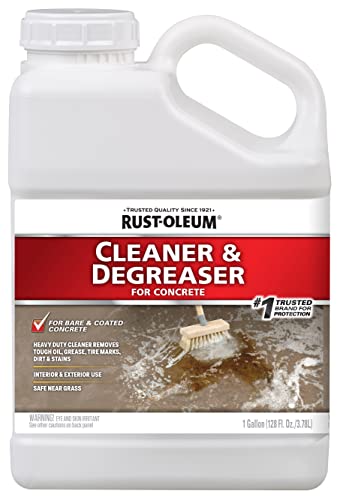
- Epoxy floor cleaner degreaser commercial grade
- Microfiber mop for epoxy floors
- Floor buffer polisher for epoxy coating


Before You Start
Clear the area of obstacles and loose debris. Sweep or vacuum thoroughly to prevent scratching during cleaning. Work in small sections to maintain a fresh cleaning path. Wear appropriate footwear and gloves to protect skin from cleaners. Avoid using acidic or highly alkaline cleaners that can damage epoxy, and never mix cleaners with bleach or ammonia. Plan for a full cycle with drying time to avoid wet, slippery floors.
Step-By-Step: How To Clean Epoxy Flooring
- Prepare the area by removing loose dust and debris with a dry microfiber mop or broom.
- Fill a balanced cleaning solution bucket with water and the recommended amount of epoxy floor cleaner degreaser commercial grade, following label directions.
- Spot-treat oily or greasy stains with a small amount of cleaner directly on the stain, letting it sit briefly before scrubbing with a soft nylon pad.
- Apply the cleaning solution to a manageable section and mop in a figure-eight motion to lift contaminants from the coating surface.
- For stubborn grime, switch to a floor buffer polisher for epoxy coating on the affected area, using a soft pad and light pressure.
- Rinse the section with clean water to remove cleaner residue; repeat in sections until the entire floor is cleaned.
- Use a damp mop to remove standing water and facilitate quick drying, then allow the floor to air dry completely.
- Inspect the surface for remaining spots; repeat treatment as needed, focusing on entrances and heavy foot traffic zones.
- Poly-coated seams and edges should be wiped down to remove moisture buildup and prevent dulling over time.
- For routine maintenance, perform a light weekly cleaning and a deeper monthly clean using the same process but with a longer dwell time for thorough breakdown of grime.
- When the floor dries, check for streaks; if present, buff with a clean microfiber pad to restore shine without introducing residue.
- Store cleaning tools dry and upright to prevent harboring moisture that could affect the epoxy finish.
Troubleshooting
| Symptom | Likely Cause | Fix | Prevention |
|---|---|---|---|
| Streaks or dull patches | Residue from cleaner or insufficient rinsing | Rinse thoroughly and buff with microfiber pad | Rinse in sections; use neutral cleaner |
| Sticky surface after cleaning | Cleaner left on surface | Repeat rinse with clean water | Follow label dilution precisely |
| Slip hazard after cleaning | Excess moisture or residue | Dry floor completely; use damp mop only for rinsing | Keep area well-ventilated to speed drying |
| Scratches or dulling in high-traffic spots | Abrasive pads or harsh cleaners | Switch to soft pads and pH-neutral cleaners | Regular maintenance with proper tools |
| Oil or grease not lifting | Heavy contamination | Apply degreaser, dwell, scrub, then rinse | Address spills promptly to prevent buildup |
Common Mistakes
- Using harsh, acidic, or caustic cleaners on epoxy floors
- Over-wetting the surface, leading to longer drying times
- Using stiff brushes or scouring pads that damage the coating
- Ignoring manufacturer guidelines for dilution and dwell time
- Neglecting routine maintenance in busy areas
Keeping these pitfalls in check helps preserve gloss and longevity while avoiding costly refinishes.
Tips For Best Results
- Dust mop daily in high-traffic spaces to minimize abrasive buildup.
- Choose a neutral pH cleaner designed for epoxy coatings to prevent residue.
- Use a microfiber mop for maximum pickup of dust and oils without scratching the surface.
- Schedule periodic deep cleanings with a floor buffer polisher for the brightest finish.
- Test any cleaner on a small, inconspicuous area before wider use.
Call A Professional
Consider hiring a professional if the epoxy floor shows deep staining, extensive dulling, or signs of coating wear beyond routine cleaning. Stop signs include persistent haziness, yellowing, or lifting edges. If the surface has visible cracking or repairs that require coating reapplication, a specialist is recommended.
FAQ
What is the best cleaner for epoxy floors?
A neutral pH epoxy floor cleaner degreaser commercial grade is typically effective, balanced to lift oils without harming the coating.
Can I use a standard mop on epoxy floors?
Yes, but a microfiber mop designed for epoxy floors yields better dirt pickup and reduces streaks.
Is a floor buffer safe for epoxy coatings?
Yes, a floor buffer polisher for epoxy coating with a soft pad can enhance shine on approved surfaces when used carefully.
How often should epoxy floors be deep cleaned?
In busy areas, perform a deep clean monthly; in low-traffic spaces, every 6–8 weeks is usually sufficient.
Buying Guide
When selecting cleaning tools and supplies for epoxy flooring, consider size, noise level, energy efficiency, controls, and placement. For larger garages, a floor buffer with adjustable speed helps balance cleaning power and surface safety. Noise-conscious environments may benefit from quiter models or battery-powered buffers. Look for ergonomic designs that minimize fatigue during extended cleaning sessions. Choose tools with smooth, washable pads to maximize lifespan and reduce waste. For placement, ensure the equipment suits concrete or sealed concrete surfaces and has compatible pad types for epoxy coatings. Finally, verify that cleaners are labeled for epoxy floors and note any warranty or safety guidelines.
Leave a Reply