How to Clean Up Vaseline Safely and Effectively
Vaseline, or petroleum jelly, can leave stubborn greasy stains on fabrics, floors, and countertops. With the right approach and a couple of common cleaning products, most surfaces can be restored without residue or damage. This guide offers practical steps for American households to remove Vaseline quickly and safely.
Quick Answer
Act fast to prevent setting. Blot up excess with a cloth, then apply a degreaser and finish with a microfiber cloth for a clean, residue-free surface. For fabric stains, repeat as needed and test in an inconspicuous area first.
What You’ll Need
- Petroleum jelly stain remover spray 32 oz
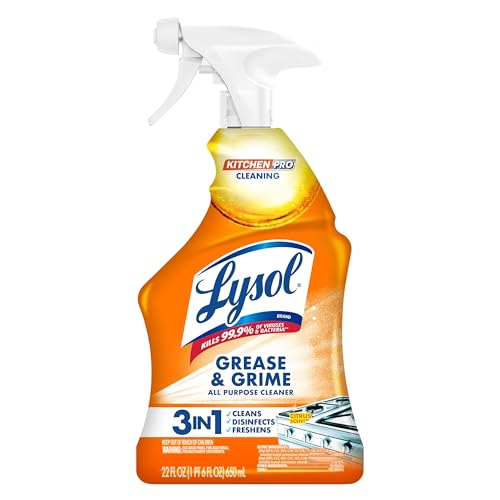
- Citrus degreaser spray kitchen cleaner 24 oz
- Microfiber cleaning cloths washable 12×12 inches 6-pack

Before You Start
Assess the stained area to choose the safest method. Work on a cool, dry surface and use gloves if you have sensitive skin. Test cleaners on a hidden spot to ensure colorfastness, especially on fabrics and wood veneers. Time estimates vary by surface; plan for 15–30 minutes for small spills and up to an hour for set stains.
Step-By-Step: How To Clean Up Vaseline
- Contain the spill and blot, don’t rub, to prevent spreading the grease.
- Apply petroleum jelly stain remover spray 32 oz to the affected area. Let it sit for 3–5 minutes to loosen the residue.
- Wipe away loosened Vaseline with a clean microfiber cloth, using gentle circular motions.
- If residue persists, spray citrus degreaser spray kitchen cleaner 24 oz and let it work for a couple of minutes.
- Gently blot again with a new microfiber cloth until the surface is free of oil.
- Rinse or wipe with a damp, clean cloth to remove cleaner residues, then dry thoroughly.
- For fabrics, repeat as needed and launder according to the fabric care label after treating.
- For hard floors, mop with a mild detergent solution and allow to dry completely before walking on the area.
- Inspect the area in good light. If a faint stain remains, repeat steps 2–4 and allow extra dwell time for the remover to work.
- Dispose of used cloths or launder them separately to avoid transferring grease to other items.
- Store cleaners in a cool, dry place away from children and pets.
Troubleshooting
| Symptom | Likely Cause | Fix | Prevention |
|---|---|---|---|
| Grease remains after cleaning | Stain set-in or surface texture trapping oil | Repeat steps with longer dwell times; consider using a stain remover designed for fabric | Pre-treat immediately; blot gently after spills |
| Cleaner residue on surface | Over-application or insufficient rinsing | Wipe with a damp cloth until no residue remains | Use minimal cleaner and follow with thorough rinsing |
| Discoloration on fabric | Color-fastness issue or harsh chemical | Test a hidden area; if color fades, stop and consult fabric care guidance | Always test first |
| Streaks on glossy surfaces | Excess moisture or improper drying | Dry with a clean microfiber cloth in a single direction | Dry surfaces promptly after cleaning |
Common Mistakes
- Rubbing vigorously, which spreads the stain and embeds oil deeper
- Using hot water on oil-based stains, which can set them
- Skipping a test spot on delicate materials or finishes
- Over-wetting fabric or wood, leading to warping or swelling
Tips For Best Results
- Always blot first to remove excess Vaseline without spreading it.
- Use microfiber cloths for their gentle fibers and capacity to lift grease without scratching surfaces.
- Work from the outside edge of the stain toward the center to prevent widening the spot.
- For stubborn fabric stains, consider a second cleaning cycle and air-drying thoroughly.
- Label and store cleaners securely, away from children and pets, to reduce accidental exposure.
Call A Professional
When to seek help: if the stain covers a large area, affects a valuable fabric, or shows color loss after cleaning. Structural materials (like wood with veneer, limestone, or marble) may require professional refinishing to avoid damage. If you notice water damage or a persistent odor after cleaning, contact a professional cleaner or restoration specialist.
FAQ
Can Vaseline be cleaned from fabric?
Yes, using a degreaser or petroleum jelly stain remover spray can help lift oil from fabric fibers. Follow with a thorough laundering per the care label.
Is citrus degreaser safe on wood finishes?
Test first on an inconspicuous area; some finishes may react. If unsure, use a mild cleaner and dry promptly.
What if the stain is already dry?
Apply a stain remover, allow it to dwell, then blot and rinse. You may need to repeat the process.
Are there household alternatives to the recommended products?
Plain dish soap and warm water can help for light stains, but degreasers and stain removers typically offer stronger, safer results for oil-based marks.
How should I treat Vaseline on carpet?
Gently scrape excess, apply a degreaser, blot with fresh towels, and rinse with a small amount of water. Repeat as needed and allow to dry completely.
Buying Guide
Choosing cleaning products for Vaseline contamination should balance effectiveness and surface safety. Consider these factors:
- Size: For occasional stains, smaller bottles are sufficient; larger bottles are better for households with frequent spills.
- Noise Level and operational ease: Some spray bottles deliver even dispersal without excessive effort.
- Energy Efficiency: Not a major factor for cleaning products, but efficient sprayers reduce wasted product.
- Controls: An adjustable spray nozzle helps control application and minimizes overspray.
- Placement: Store cleaners in a cool, dry area away from children, pets, and direct sunlight to maintain efficacy.
When comparing products, focus on stains compatibility, surface safety, and the ability to tackle oil-based residues without harsh scrubbing. A combined approach using a petroleum jelly stain remover and a citrus degreaser often yields reliable results. If unsure, review product labels for surface-specific guidance and testing recommendations.
Leave a Reply