How to Clean Rusty Earrings Safely and Effectively
Rust on earrings can be a safety concern and a sight you’d rather not see. Proper cleaning not only restores shine but also protects sensitive metals and skin. This guide offers practical, user-friendly steps tailored for common metal alloys and everyday jewelry care, with ready-to-use tools that you can find at home or in stores.
Quick Answer
Gently remove surface rust with a mild cleaning solution, then use specialized tools such as a ultrasonic jewelry cleaner for earrings or a jewelry rust remover pen for stubborn spots. Finish with a jewelry polishing cloth silver gold to restore shine. Avoid harsh scrubbing and always dry thoroughly.
A Quick List Of What You’ll Need
Having the right tools on hand makes rust removal safer and more effective. The following items are recommended for most rust-cleaning tasks:
- Ultrasonic jewelry cleaner for earrings
- Jewelry rust remover pen
- Jewelry polishing cloth silver gold
- Soft microfiber cloth
- Small bowl with warm water
- Isopropyl alcohol or mild dish soap
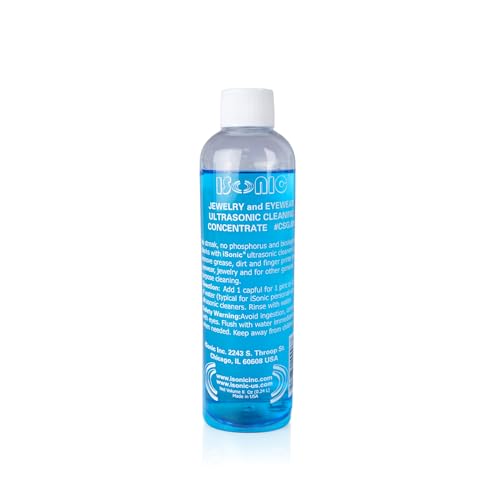


Before You Start
Before cleaning, inspect earrings for loose stones, damaged clasps, or worn plating. If any component is compromised, stop and repair or replace before proceeding. Work on a soft cloth to protect finishes, and ensure good ventilation. Avoid soaking earrings with glued settings or pearl accents, as liquids can loosen adhesives. Plan for a cleaning session that fits within 10–20 minutes per pair, depending on rust severity.
Step-By-Step: How To Clean Rusty Earrings
- Prepare a gentle cleaning setup: fill a small bowl with warm water and a drop of mild dish soap.
- Dip a soft microfiber cloth into the soapy water and wipe the surface to remove loose dirt and oils.
- Inspect the rusted areas to determine if any plating or finish is compromised; if so, proceed with extra care.
- For light rust, apply a tiny amount of jewelry rust remover pen to the affected area, following the manufacturer’s instructions.
- For deeper rust, place the earrings in a short ultrasonic cycle using the ultrasonic jewelry cleaner for earrings, ensuring the piece is fully submerged if recommended for your model.
- Rinse thoroughly with clean water to remove any cleaning residue, then pat dry with a soft cloth.
- Use the jewelry polishing cloth silver gold to buff the earrings in gentle, circular motions until the surface gleams.
- Check for remaining rust spots; repeat the rust remover pen or ultrasonic step if needed, but limit sessions to avoid damage.
- Dry completely and store in a dry, cool place to prevent future oxidation.
- For valuable or precious metals, consider a professional re-plating or deep-clean service if rust returns persistently.
Troubleshooting
| Symptom | Likely Cause | Fix | Prevention |
|---|---|---|---|
| Rust reappears after cleaning | Moisture exposure or porous metal | Apply a thin protective coat after cleaning and improve storage | Keep away from humidity; store in a dry pouch |
| Discoloration on metal after polish | Over-polishing or abrasive cloth | Use a gentler cloth and shorter sessions | Follow manufacturer guidance for polishing products |
| Loose clasps or stones | Worn settings | Do not press; have a jeweler repair | Regular inspections |
| Pitted or rough surface after rust removal | Excessive mechanical rubbing | Switch to lighter motions and softer tools | Use proper cleaning tools rated for jewelry |
Common Mistakes To Avoid
- Using abrasive materials on delicate finishes
- Soaking earrings with glued stones or pearls
- Overreliance on one cleaning method—combine methods carefully
- Ignoring signs of plating wear or structural damage
Gentle handling preserves both appearance and metal integrity, so proceed with care and patience.
Tips For Best Results
- Test cleaning methods on a small invisible area first to gauge reaction.
- Consistency is key—clean rust promptly to prevent deeper corrosion.
- Always dry thoroughly before storage to prevent moisture-induced tarnish.
- Choose a polishing cloth appropriate for the metal (silver or gold) to maximize shine.
Call A Professional
Seek professional help if any of the following apply: visible cracks or breaks in the metal, stones fearfully loosened, deep rust that worsens after basic cleaning, or if the earrings are valuable and require careful restoration.
FAQ
Can rust damage be repaired at home?
Light rust can often be removed at home using gentle methods, but deeper corrosion or damaged settings may require professional service.
Is ultrasonic cleaning safe for all earrings?
Ultrasonic cleaners are safe for many metals, but avoid if the earrings have glued stones, pearls, or delicate enamel that may crack or detach.
What should I do if rust reappears quickly?
Improve storage, avoid moisture, and consider a protective sealant or professional re-plating for long-term prevention.
How often should I clean my earrings?
Clean earrings when you notice dullness or discoloration, or every few months as part of regular jewelry maintenance.
Buying Guide
When choosing products to maintain and restore rusty earrings, consider several factors to match your needs and budget.
Size and fit: Ensure tools like cleaners and pens are suitable for the earring size and metal type. Smaller items require precise applications.
Noise level: Ultrasonic cleaners operate quietly, but some models emit light vibrations; consider placement and tolerance for household use.
Energy efficiency: Look for energy-efficient modes and automatic shutoffs in ultrasonic cleaners to save power during routine use.
Controls: Simple interfaces with clear instructions reduce misuse. Some units offer adjustable cleaning cycles for varying rust severity.
Placement: A dedicated jewelry care station or tray helps prevent mixing with household items and keeps cleaners away from children and pets.
For a balanced approach, compare a compact ultrasonic cleaner with a rust remover pen for spot treatment, and add a high-quality polishing cloth for finishing touches. Ask yourself whether you prefer a single all-in-one device or a modular set that lets you tailor each step to the piece you’re cleaning. Evaluating these factors will help you select tools that deliver reliable results without unnecessary complexity.
Leave a Reply