How to Clean Up Barf Safely and Effectively
Accidents happen, and quick, thorough cleanup is essential to prevent lingering odors and stains. This guide provides practical, step-by-step methods for removing vomit from common household surfaces using readily available products. The emphasis is on safety, efficiency, and odor control, tailored for American homes.
Quick Answer
Act fast to prevent drying and odor setting. Contain the mess, wear protective gloves, and choose an enzyme deodorizing cleaner for lingering odors. For hard surfaces, scrub with a nylon brush; for fabrics, blot and treat before washing. Always follow product labels for best results.
What You’ll Need
- Enzyme deodorizing cleaner for vomit pet stains 32 oz spray
- Disposable nitrile gloves bulk 100-count cleaning vomit
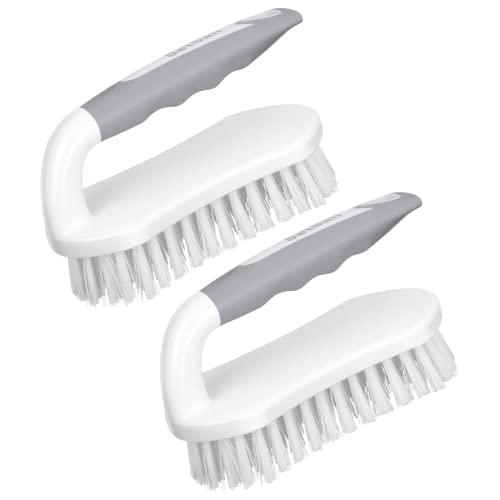
- Stiff nylon scrub brush bathroom cleaning for pet messes 4 inch handle
- Paper towels or clean cloths
- Water and mild detergent


Before You Start
Assess the mess: is it on carpet, upholstery, fabric, or hard surfaces?
Safety notes: wear nitrile gloves to protect skin, and avoid mixing cleaners unless the label allows it. Open windows for ventilation to reduce fumes. Test cleaners on a small hidden area first to avoid damage.
Time estimate: initial cleanup 10–20 minutes; deodorizing and drying may take several hours depending on the surface.
Surface prep: remove solid material with paper towels, then blot liquids. For hard floors, pick up excess with towels before applying cleaner.
Step-By-Step: How To Clean Up Barf
- Put on disposable nitrile gloves and contain the spill with towels to prevent spreading.
- For hard surfaces, wipe up excess with towels; for fabrics, blot without rubbing to minimize fiber damage.
- Apply the enzyme deodorizing cleaner for vomit liberally to the affected area, following the label’s spray distance.
- Let the enzyme cleaner sit for the recommended contact time to break down organic material and neutralize odors.
- Scrub stubborn residues with the stiff nylon scrub brush on hard surfaces or upholstery seams as applicable, then blot dry.
- Rinse treated areas with clean water if the cleaner’s instructions require it, and blot until damp but not puddling.
- For fabrics, repeat application, then launder according to fabric care guidelines or have the item professionally cleaned if needed.
- Allow surfaces to air dry completely; store cleaning supplies out of reach from children and pets.
- Dispose of used towels and gloves properly and wash hands after cleanup.
- Repeat odor checks in the following hours; if any lingering odor remains, apply a fresh treatment or repeat steps as needed.
Troubleshooting
| Symptom | Likely Cause | Fix | Prevention |
|---|---|---|---|
| Odor remains after cleaning | Insufficient enzyme activity or hidden residues | Re-apply enzyme cleaner and allow full contact time | Treat promptly; blot thoroughly |
| Staining on carpet fibers | Rubbing, deep stain | Gently blot with cleaner, repeat | Treat promptly; avoid aggressive rubbing |
| Surface discoloration | Cleaner reaction or water exposure | Rinse and blot; test a hidden area first | Spot test and use the recommended cleaner only |
| Item remains damp for long | Inadequate absorption or thick fabric | Increase blotting and ensure airflow | Air out area or use a fan |
Common Mistakes To Avoid
- Using generic cleaners that don’t break down biological matter effectively
- Rubbing stains, which can push material deeper into fibers
- Delaying cleanup, which makes odors harder to remove
- Skipping gloves or ventilation, increasing exposure risk
Tips For Best Results
- For best odor control, use an enzyme-based cleaner formulated for vomit stains and odors.
- Blot rather than rub; this minimizes damage to fabrics and surface textures.
- Work from the outside of the stain toward the center to prevent spreading.
- Ventilate the area well and allow ample drying time before reusing the space.
Call A Professional
Consider contacting a professional cleaning service if the spill covers a large area, involves porous upholstery, or if odors persist after multiple treatments. Seek help immediately for items that may be damaged by moisture or harsh cleaners, or for pet-related messes involving health concerns.
FAQ
What is the best cleaner for pet vomit odors?
The enzyme deodorizing cleaner for vomit pet stains is designed to break down organic material and neutralize odors effectively.
Should I wear gloves during cleanup?
Yes. Disposable nitrile gloves protect skin from contaminants and cleaning products.
Can I use bleach to treat vomit stains?
Bleach is generally not recommended on fabrics or certain surfaces; follow product labels and test first.
How long should the cleaner sit before scrubbing?
Follow the label’s specified contact time for optimal enzyme action.
Buying Guide
When selecting products to handle barf cleanup, consider several factors to maximize effectiveness and ease of use.
Size and coverage: A 32 oz bottle of enzyme cleaner offers sufficient coverage for typical household spills, with enough remaining for future incidents. For households with multiple pets, consider a larger bottle or a backup option.
Odor control and enzymes: Enzyme-based cleaners specifically target organic matter and provide long-lasting odor control. Ensure the product is formulated for vomit and pet messes.
Surface compatibility: Check that cleaners are safe for carpets, upholstery, fabrics, and hard surfaces used in the home. Always perform a small test in an inconspicuous area.
Controls and application: Look for spray bottles with easy-to-use triggers and clear instructions. A mister or spray nozzle helps apply evenly on vertical surfaces.
Safety and gloves: Pair cleaners with disposable nitrile gloves to protect skin during cleanup and prevent cross-contamination.
Placement and storage: Store cleaners in a cool, dry place away from direct sunlight. Keep gloves accessible near cleanup areas for quick response.
Noise level and ease: For households sensitive to noise, choose products that don’t require aggressive scrubbing. A stiff nylon brush aids stubborn residues without damaging surfaces.
Whether you’re tackling a quick spill in the living room or a larger fabric mess, selecting the right combination of enzyme cleaner, protective gloves, and a stiff scrub brush helps ensure fast removal and pleasant results. Consider your typical spill size, surface types, and storage options to plan a practical cleanup kit.
Leave a Reply