How to Clean a Black Stone Surface
Black stones, such as soapstone or slate, bring a sleek, low-maintenance aesthetic to kitchens, bathrooms, and living spaces. Proper cleaning preserves their finish, prevents staining, and extends the surface’s life. This practical guide covers safe products, step-by-step methods, and common issues to keep your black stone looking its best.
Quick Answer
Use a pH-neutral cleaner designed for natural stone, pair it with a soft nylon brush for scrubbing, and rinse with clean water. Dry the surface to prevent water spots. For sealed stones, follow the sealer kit’s instructions and reapply as needed.
What You’ll Need
- pH-neutral soapstone cleaner for countertops
- slate and black stone cleaner sealer kit
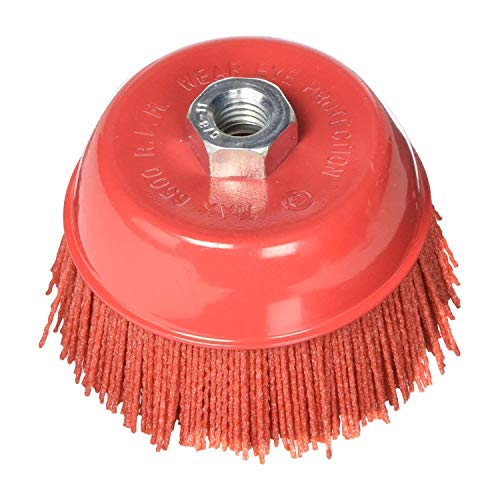
- nylon scrub brush for stone surfaces 4 inch


Before You Start
Protect nearby surfaces and wear gloves to avoid skin contact with cleaners. Test any cleaner on a small, inconspicuous area for compatibility with your specific stone. Work in a well-ventilated area and avoid acidic or abrasive cleaners that can dull or etch the stone. Time estimate: 15–30 minutes for routine cleaning; longer if you’re performing deeper staining removal.
Important cautions: Do not use harsh acids, bleach, or ammonia-based cleaners on soapstone or slate, as these can damage the surface finish. If your stone is sealed, follow the sealer’s recommendations and reapply as directed by the kit.
Step-By-Step: How To Clean A Black Stone Surface
- Clear the area of any objects and dust the surface to remove loose debris.
- Wipe with a damp microfiber cloth to remove surface dirt before any cleaning solution.
- Apply the pH-neutral soapstone cleaner for countertops according to the label directions.
- Use a nylon scrub brush for stone surfaces 4 inch to gently scrub, focusing on any stains or rings without applying heavy pressure.
- Rinse the area with clean water, using a damp cloth to wipe away residue.
- Dry the surface with a soft towel to prevent water spots and streaks.
- If staining persists, repeat the cleaning process or switch to the appropriate treatment from the slate and black stone cleaner sealer kit.
- For sealed stones, lightly buff the surface with a clean, dry cloth after drying to restore a subtle sheen.
- Periodically reseal treated surfaces according to the kit instructions to maintain protection.
- Inspect for any dull patches or buildup and adjust cleaning frequency accordingly.
- Document a routine cleaning schedule to maintain consistency across high-use areas.
- Store cleaners and tools away from direct sunlight and heat sources to preserve effectiveness.
Troubleshooting
| Symptom | Likely Cause | Fix | Prevention |
|---|---|---|---|
| Streaky or cloudy surface | Residue left from cleaner | Wipe with a clean damp cloth and dry well | Rinse thoroughly; use minimal cleaner per area |
| Dark staining after cleaning | Organic spills absorbed into stone | Spot-clean with cleaner and repeat; consider sealant touch-up | Wipe spills promptly; use protective mats |
| Rings around containers | Moisture trapped on surface | Dry area immediately after cleaning | Use coasters and wipe up liquids |
| Hard, brittle surface after cleaning | Harsh cleaner or abrasive scrubbing | Stop using catalyst and switch to pH-neutral products | Follow product directions precisely |
Common Mistakes
- Using acidic cleaners like vinegar or lemon on stone finishes
- Scrubbing with abrasive pads that scratch the surface
- Over-wetting the surface, especially porous stones
- Skipping a test patch before applying cleaners or sealants
Tips For Best Results
- Always start with a dry or lightly damp surface to gauge cleaning need.
- Choose a cleaner labeled as safe for soapstone, slate, or natural stone to avoid etching.
- Use a soft nylon brush to avoid micro-scratches during deep cleaning.
- Rinse thoroughly and dry completely to prevent mineral deposits.
- Follow sealant kit timing for maintenance, especially on high-use surfaces.
Call A Professional
Consider a pro if the stone shows deep etching, persistent stains, or if you are unsure about sealing requirements. Stop and contact a professional if you notice: severe discoloration, flaking surface, or persistent moisture intrusion in porous stones.
FAQ
Is a pH-neutral cleaner safe for all black stones?
Most pH-neutral cleaners are safe for soapstone and slate, but always verify compatibility with your specific stone type and the product label.
How often should I seal slate or black stone?
Sealing frequency depends on use and porosity; follow the slate and black stone cleaner sealer kit instructions for best results.
Can I use a brush on soapstone countertops?
Yes, a nylon scrub brush is suitable for gentle scrubbing without scratching, when used with a pH-neutral cleaner.
What should I do about water spots?
Dry the surface after cleaning to prevent water spots, and consider a light buff with a dry cloth for a smoother finish.
Buying Guide
When choosing products to clean and maintain black stone surfaces, consider size and format, compatibility, and ease of use. A good cleaning kit should include a pH-neutral cleaner, a dedicated sealer for slate or black stone, and a soft brush for safe scrubbing. Look for products that specify suitability for soapstone, slate, or natural stone surfaces, and check for clear application instructions. Noise-free operation is not a concern for cleaning products, but ease of use, scent, and residue-free results matter for daily routines. Place cleaning supplies in a cool, dry area away from direct sunlight to preserve effectiveness. For larger projects, consider kits that cover countertops, floors, and wall surfaces to ensure consistent care across the home.
Size: choose formulations appropriate for the surface area you regularly maintain; travel-size options can work for small installations. Noise level: not applicable. Energy efficiency: not applicable. Controls: straightforward spray or wipe-on applications are preferred for ease. Placement: store near the cleaning area to encourage regular upkeep. Compare kit contents to ensure you get a complete package that aligns with your stone type and maintenance schedule. Is the kit labeled for both stone cleaners and sealers? Confirm compatibility with your stone to avoid over-wetting or improper sealing.
Leave a Reply