How to Clean Trimmers Effectively
Regular maintenance keeps beard and hair trimmers performing at their best and extends their life. This guide outlines practical steps, safe practices, and smart tools to ensure your trimmers stay clean, hygienic, and ready for precise grooming.
Quick Answer
Clean trimmers after every use with a cleaning brush to remove hair and debris, use a dedicated trimmer cleaning kit for deeper cleaning, and apply beard trimmer blade oil to lubricate the blades. Rinse only when the manufacturer permits it, and avoid soaking the motor or electrical parts.
What You’ll Need
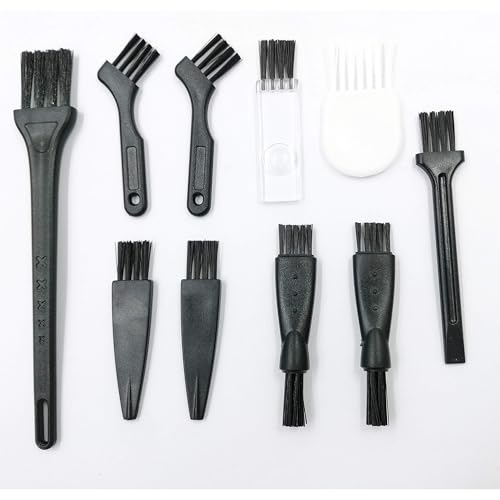
- electric trimmer cleaning brush
- trimmer cleaning kit
- beard trimmer blade oil

Before You Start
Read the user manual for model-specific instructions and warnings. Work on a dry surface to prevent moisture from entering the motor. Unplug the trimmer and ensure the blade clamp is cool before handling. Time estimate: 5–15 minutes per session, depending on how thorough you want to be. Important safety cautions: never run water directly into the trimmer body, avoid using harsh cleaners, and keep liquids away from charging ports.
Step-By-Step: How To Clean Trimmers
- Power off and unplug the trimmer to ensure safety during cleaning.
- Remove the cutting head or detachable blade assembly according to the manual.
- Use the electric trimmer cleaning brush to brush away hair and lint from the blades, guards, and housing.
- Wipe the exterior with a lightly damp cloth if permitted by the manual, then dry completely.
- Apply a few drops of beard trimmer blade oil along the blade edge and run the trimmer for a few seconds to distribute the oil evenly.
- Reattach the blade assembly securely and wipe away any excess oil from the surface.
- If your kit includes a cleaning spray or sanitizer, follow the product instructions for safe use on non-electrical parts only.
- Store the trimmer in a dry, ventilated area and keep it away from moisture and heat sources.
Troubleshooting
| Symptom | Likely Cause | Fix | Prevention |
|---|---|---|---|
| Blades feel stiff or laggy | Blade is dry or nicked | Re-oil and inspect for damage; replace blade if needed | Clean and oil after every use |
| Unusual odor during operation | Accumulated hair and oils burning | Clean thoroughly and re-lubricate | Maintain regular cleaning cycle |
| Water ingress after cleaning | Moisture in the housing | Dry completely and avoid submerging | Use only manufacturer-approved cleaning methods |
| Motor hums but won’t cut | Debris jam or oil insufficiency | Reset by removing debris; re-oil blades | Prevent buildup with routine cleaning |
Common Mistakes
- Using too much water or submerging components not rated for immersion
- Skipping oil or using the wrong lubricant for blades
- Ignoring the blade alignment after reassembly
- Forgetting to clean guards and attachments, which can trap hair and affect performance
Tips For Best Results
- Incorporate a quick daily brush-off after each use to minimize buildup between deeper cleanings.
- Match the cleaning kit components to your trimmer model for compatibility and safety.
- Schedule a deeper clean every 2–4 weeks depending on usage and hair type.
- Keep spare blades and a small bottle of blade oil handy to minimize downtime.
- Label tools for different devices to avoid cross-contamination between family members’ trimmers.
Call A Professional
Seek professional service if the trimmer shows persistent electrical issues, unusual noises after cleaning, or if water ingress coincides with malfunction. Do not attempt to open sealed motor components yourself; factory repairs may be required to preserve safety and warranty.
FAQ
How often should I clean my trimmer?
Clean after each use with a quick brush-off, and perform a deeper clean every 2–4 weeks, or more often for heavy or daily use.
Can I rinse the trimmer under water?
Only if the manufacturer explicitly allows it. Most trimmers should not be submerged or rinsed directly; use a brush and minimal moisture on external parts.
What lubricant should I use on blades?
Use beard trimmer blade oil or a light machine oil designed for blades; avoid heavy oils that can attract grime.
How do I know if a blade needs replacing?
Watch for persistent dullness, rust spots, or excessive stiffness after cleaning and oiling; replace the blade if performance doesn’t improve.
Buying Guide
When selecting trimmer maintenance tools, consider size, compatibility, and your grooming routine. The right kit should include a dedicated cleaning brush, compatible cleaning solutions, and blade oil. Here are key buying factors to compare:
- Size and compatibility: Ensure the cleaning kit and blades fit your trimmer model and guards. Some kits are universal, while others are model-specific.
- Noise level: Some cleaning tools are compact and quiet, which helps if you trim early in the morning or late at night.
- Energy efficiency: While cleaning tools don’t consume much power, choose battery-operated or manual tools that offer reliable performance without needing frequent replacements.
- Controls: Simple, intuitive brushes and spray bottles reduce the risk of over-cleaning or dripping liquids into sensitive parts.
- Placement and storage: A compact kit with a zip case or tray keeps attachments organized and dry, protecting blades from damage.
For best results, pick a kit that includes an electric trimmer cleaning brush, a dedicated trimmer cleaning kit, and beard trimmer blade oil, and ensure you have clear storage space to keep tools dry and accessible. Would you like help selecting a kit based on your specific trimmer model?
Leave a Reply