How to Clean a Timbuk2 Bag
Maintaining a Timbuk2 bag helps extend its life and keep it looking fresh for daily use. This guide provides a practical, step-by-step method using common cleaning tools to care for nylon bags without causing damage.
Quick Answer
Gently brush away loose dirt, spot-treat stains with a fabric spray, wipe with a microfiber cloth, and air-dry completely. For stubborn stains, repeat as needed and avoid machine washing unless the bag’s care label allows it.
What You’ll Need
- soft bristle nylon brush for bag cleaning
- microfiber cleaning cloth set for nylon bags
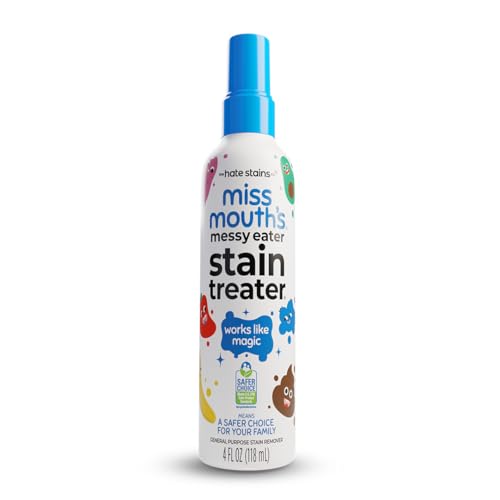
- fabric stain remover spray for nylon bags


Before You Start
Protect any hardware or detachable straps with masking tape. Test stain remover on a hidden area to ensure colorfastness. Work in a well-ventilated area and use cool or lukewarm water. Time estimate: 20–40 minutes depending on stain size and bag condition. Do not soak the bag or put it in a dryer, as heat can damage nylon and coatings.
Step-By-Step: How To Clean A Timbuk2 Bag
- Remove all contents and shake the bag to expel loose dirt and crumbs.
- Detach any removable straps if possible and wipe them separately.
- Brush the exterior with a soft bristle nylon brush to lift surface dust.
- Mix a small amount of clean water with a gentle wipe using a microfiber cloth.
- Spot-clean stains with fabric stain remover spray, following the product instructions.
- Gently blot, don’t rub, to avoid fraying fabric or color fading.
- Wipe the entire bag with a damp microfiber cloth to remove residue.
- Allow the bag to air-dry completely in a well-ventilated area away from direct sun.
- Reattach straps and hardware once dry, and inspect for any remaining spots.
- If needed, repeat the spot-cleaning steps on persistent stains.
- For interior cleaning, turn the bag inside out and wipe the lining with a fresh microfiber cloth.
- Store in a cool, dry place to prevent mold and odor buildup.
Troubleshooting
| Symptom | Likely Cause | Fix | Prevention |
|---|---|---|---|
| Stains reappearing after cleaning | Deep-set stain or leftover cleaner | Reapply fabric stain remover to the stain; blot with a clean microfiber cloth | Address stains promptly; test spot first |
| Fading color on fabric | Exposure to sun or harsh cleaner | Use mild cleaners and shade drying | Avoid prolonged sun exposure |
| Stiff fabric after drying | Over-drying or poor air circulation | Air-dry longer in a ventilated area | Do not over-wring; keep bag flat while drying |
| Water leakage from seams | Worn seam or heavy over-wetting | Limit water exposure; ensure seams are intact | Spot-clean only and avoid soaking |
Common Mistakes
- Using harsh solvents that damage nylon coatings
- Fully soaking the bag in water
- Rubbing aggressively, which can fray fabric
- Skipping a complete air-dry, leading to odors or mold
Tips For Best Results
- Test any cleaner on an inconspicuous area first
- Use a dedicated microfiber cloth to avoid lint transfer
- Regular light cleaning prevents buildup and makes deep cleans easier
- Store the bag in a breathable bag or case to reduce moisture
Call A Professional
Seek professional care if the bag has significant damage, persistent odors, or stubborn stains that don’t respond to home cleaning. This is especially important for bags with specialized coatings or waterproof linings.
FAQ
Can I machine wash a Timbuk2 bag?
Only if the care label explicitly allows it. Most Timbuk2 bags should not be machine washed as it can damage fabric and coatings.
Is it safe to use fabric stain remover on nylon bags?
Yes, when used as directed and tested on a hidden area first, it can help lift stains without harming the fabric.
How should I dry the bag after cleaning?
Air-dry in a shaded, well-ventilated area until completely dry before reusing or storing.
What if odors linger after cleaning?
Repeat cleaning and ensure thorough drying; consider a light deodorizing spray designed for nylon if needed.
Can interior lining be cleaned the same way?
Yes, wipe the lining with a damp microfiber cloth and allow to air-dry fully before use.
What if the bag has visible wear on seams?
Inspect seams carefully and consider professional repair if stitching is loose or threads are unraveling.
Buying Guide
When selecting cleaning supplies for a Timbuk2 bag, consider size, fabric type, and durability. For nylon bags, prioritize gentleness and cloth-based tools that won’t abrade surfaces. Look for products that specify suitability for nylon and reflective coatings commonly used in Timbuk2 styles.
Key buying factors include:
- Size of cleaning tools relative to bag dimensions; compact brushes and cloth sets work well for small compartments
- Noise level of brushes during cleaning; softer bristles reduce noise and fabric wear
- Energy efficiency pertains to minimizing water usage and avoiding heat-based methods
- Controls simplicity of spray bottles and string cleaners; choose easy-to-use products
- Placement of cleaning aids; keep supplies within reach but away from kids and pets
For a balanced approach, pair the items below with your bag care routine: a soft brush, microfiber cloths, and a dedicated fabric stain remover designed for nylon. Always follow manufacturer instructions and your bag’s care label for best results.
Leave a Reply