How to Clean a Mattress Pad: Quick, Safe Methods
Keeping a mattress pad clean helps extend its life and maintain a comfortable, hygienic sleeping surface. This guide covers practical steps, tools, and best practices to remove stains, odors, and general grime without damaging the fabric or underlying mattress. Whether you’ve spilled coffee, sweat, or pet accidents, the following methods are proven and easy to follow for American households.
Quick Answer
If you’re short on time, start with a vacuum to remove loose debris, treat stains with a enzymatic fabric cleaner or a stain remover spray, then run a light wash cycle or steam for refreshing finish. For stubborn spots, repeat treatment and consider a vacuuming pass after drying to restore loft.
What You’ll Need
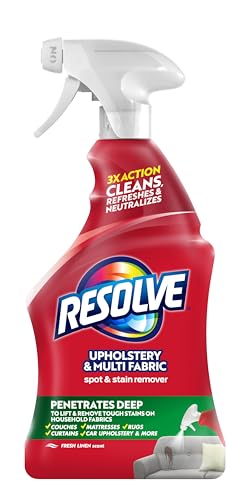
- mattress pad stain remover spray enzymatic fabric cleaner
- handheld fabric steamer mattress upholstery cleaner
- vacuum with upholstery tool mattress cleaner


Before You Start
Clear the area and remove the mattress pad from the bed. Check care labels for washing instructions and water temperature limits. If the pad is waterproof or has specific coatings, avoid high heat and harsh chemicals. Test any cleaner on a small inconspicuous area first to prevent discoloration. Allow ample drying time—mattress pads take longer to dry than regular linens, and a damp pad can promote mold growth.
Step-By-Step: How To Clean A Mattress Pad
- Remove the pad and shake it out outdoors to loosen dust and hair.
- Use a vacuum with an upholstery tool to remove embedded debris from both sides.
- Spot-treat stains with a mattress stain remover spray enzymatic fabric cleaner, following the product’s instructions.
- For larger areas or odors, mix a mild solution of detergent and cool water and lightly blot the surface with a clean cloth.
- Rinse by wiping with a clean, damp cloth to remove any soap residue.
- If the care label allows, run a gentle machine wash on a delicate cycle with a small amount of mild detergent. Use cold or warm water as recommended.
- Air dry on a flat surface or use a low-heat settings in a dryer if the care label permits. A handheld fabric steamer can help smooth fabric and remove residual moisture.
- Once dry, fluff the pad and re-check for any remaining spots. Treat again if necessary.
- Place the pad back on the mattress and ensure it sits flat and secure before making the bed.
- Maintain freshness by performing a quick vacuum weekly and addressing spills immediately.
- For routine refresh, consider a light steam pass to kill lingering bacteria and remove wrinkles.
Troubleshooting
| Symptom | Likely Cause | Fix | Prevention |
|---|---|---|---|
| Persistent odor after washing | Inadequate drying or trapped moisture | Rewash on a longer cycle and extend drying time | Ensure complete drying before using; place in a sunny area if possible |
| Faded color after cleaning | Harsh cleaners or high heat | Switch to milder detergent and cool water; avoid high heat | Always test a hidden area first; follow label directions |
| Stains reappearing | Residual stains not fully removed | Reapply stain remover and repeat treatment | Address stains promptly to prevent setting |
| Pad feels stiff after drying | Over-drying or insufficient rinsing | Re-rinse lightly and air-dry | Limit washing frequency; use minimal detergent |
Common Mistakes
- Using hot water on delicate fabrics or heat-activated coatings
- Skipping the test spot before full application of cleaners
- Over-wetting the pad, which prolongs drying time and creates mold risk
- Not fully drying before reassembly, leading to musty odors
Tips For Best Results
- Act quickly after spills to prevent set-in stains; blot rather than rub
- Choose enzymatic cleaners for organic stains like sweat and urine
- Vacuum regularly to reduce the buildup of dust and allergens
- Use a handheld fabric steamer to refresh fabric without soaking
- Follow care labels to preserve warranty and fabric integrity
- Store the mattress pad clean and dry between uses to deter mold
Call A Professional
Seek professional cleaning if stains are deeply embedded, if the pad has a waterproof membrane that requires specialized care, or if odors persist despite repeated cleaning. If you notice persistent discoloration, mold growth, or fabric degradation, contact a licensed cleaner or the manufacturer for guidance.
FAQ
Can I machine wash a mattress pad?
Many mattress pads are machine washable on a gentle cycle with cold water, but always check the care label. Some pads require hand washing or spot cleaning only.
How often should I clean a mattress pad?
Clean it every 1–3 months or after spills. Treat spills immediately to prevent stains and odors.
What cleaning products are safest?
Use enzymatic fabric cleaners for organic stains and a mild detergent for general cleaning. Avoid bleach on colored fabrics unless the label permits it.
Is steam cleaning safe?
Steam can refresh and sanitize, but ensure the pad can tolerate moisture and avoid overheating. A handheld steamer is typically safer than a full steam clean for most mattresses.
Buying Guide
When choosing a mattress pad, consider size compatibility with your bed, noise level if the pad includes waterproof layers, and overall fit to prevent shifting at night. Look for breathable fabrics to improve airflow and reduce heat buildup. Energy efficiency is less about the pad itself and more about how often you wash it; frequent washing uses water and energy, so opt for pads that resist staining and are easy to clean. Controls and placement matter if you use a steam wand or cleaner; choose options that align with your cleaning routine and space. Compare pads based on fabric type, stain-resistance treatments, and the presence of a waterproof layer. A well-chosen mattress pad can simplify maintenance and extend mattress life while keeping sleep surfaces fresh and comfortable.
Leave a Reply