How to Clean Teeth Aligners Safely and Effectively
Teeth aligners require regular cleaning to maintain oral hygiene and keep the plastic clear. Proper care prevents odors, discoloration, and buildup that can irritate gums or affect alignment. This guide provides practical, user-friendly steps for cleaning any clear aligner system, including Invisalign, and outlines tools you can use and common pitfalls to avoid.
Quick Answer
Clean your teeth aligners daily using a dedicated cleaning method. Rinse after removal, brush gently with a soft-bristle brush, and soak in a recommended cleaning tablet or solution. Avoid hot water and abrasive cleaners that can warp or scratch the plastic.
What You’ll Need
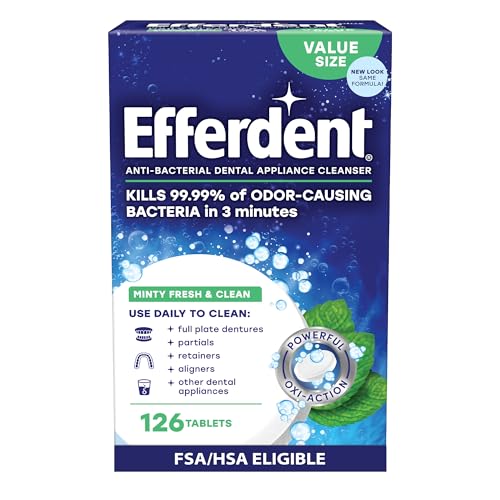
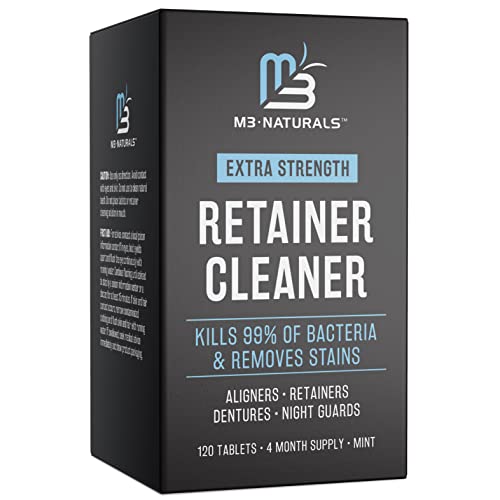
- Teeth aligner cleaning tablets
- Invisalign cleaning tablets (or a compatible alternative)
- Clear aligner cleaning kit with case and brush
- Soft-bristle toothbrush (optional within the kit)
- Clean, lukewarm water

Before You Start
Prepare a routine that fits your daily schedule. Clean aligners at least once daily, and always before reinserting after meals. Avoid hot water, as it can warp plastic, and never use toothpaste with grit or whitening agents that may scratch surfaces. Keep aligners in their protective case when not worn to prevent damage or loss. If you notice persistent buildup, speak with your orthodontist about alternatives or changes to your cleaning schedule.
Step-By-Step: How To Clean Teeth Aligners
- Remove aligners after meals and rinse them under lukewarm running water to remove saliva and loose particles.
- Fill a clean glass or denture-cleansing container with lukewarm water and add one cleaning tablet designed for aligners or dentures.
- Soak the aligners as directed by the product instructions, typically 5–15 minutes, ensuring all surfaces are submerged.
- Gently brush the aligners with a soft-bristle brush under lukewarm water to dislodge any remaining debris.
- Rinse the aligners thoroughly with lukewarm water to remove all cleaning residue.
- Dry the aligners with a clean, lint-free cloth or allow them to air dry before placing them back in your mouth.
- Store the aligners in their protective case when not in use to prevent damage and keep them clean.
- Repeat this routine daily, and consider a quick rinse with water between meals if you cannot brush immediately.
- Avoid colored or scented cleaning solutions that could leave residues or cause staining.
- If you use whitening agents or specialized products, follow your orthodontist’s instructions to prevent adverse effects on alignment materials.
- If you notice cloudiness, unusual odors, or misalignment, consult your dental professional for guidance.
- Keep the cleaning tools separate from regular toothbrushes to minimize cross-contamination.
Troubleshooting
| Symptom | Likely Cause | Fix | Prevention |
|---|---|---|---|
| Cloudy or cloudy-looking aligners | Residual cleaning solution or plaque buildup | Soak again in clean tablet solution and brush gently | Rinse thoroughly after soaking |
| Odor despite cleaning | Stubborn bacteria | Use a dedicated aligner cleaning tablet or rinse with hydrogen peroxide mixed (per professional guidance) | Maintain daily cleaning routine |
| Warping or cracks | Hot water or abrasive cleaning | Switch to lukewarm water and soft brush; discontinue abrasive products | Avoid boiling or hot water |
| Discoloration | Prolonged contact with staining substances | Frequency of cleaning and avoidance of colored cleaners | Rinse promptly after meals |
Common Mistakes
- Using hot water that warps the plastic
- Brushing with abrasive toothpaste or hard brushes
- Skipping daily cleaning or wearing dirty aligners
- Using mouthwash as a cleaning soak unless advised by a professional
- Leaving aligners exposed to sunlight or heat sources for extended periods
Tips For Best Results
- Set a daily cleaning reminder to build a consistent habit.
- Rinse aligners immediately after meals to minimize residue buildup.
- Use a dedicated cleaning kit with case to reduce the risk of loss or damage.
- If you wear aligners while sleeping, clean them in the evening to start the next day with fresh gear.
- Check product compatibility before mixing different brands of cleaning tablets.
- Keep a spare brush in the kit for on-the-go touch-ups if needed.
Call A Professional
Seek professional advice if you notice persistent staining, unpleasant odors despite cleaning, or changes in fit. Stop attempting DIY fixes if you observe cracks, warping, or damaged clasps, as continuing to wear compromised aligners can affect results and oral health.
FAQ
How often should I clean my teeth aligners?
Clean them daily, with an additional rinse after meals if removal is prolonged.
Can I use toothpaste to clean aligners?
Avoid regular toothpaste; use a soft brush and cleaning tablets designed for aligners.
Is it safe to soak aligners in mouthwash?
Typically not recommended unless advised by a dental professional due to potential chemical interactions.
What should I do if my aligners feel sticky or not fitting properly?
Rinse, inspect for debris, and contact your orthodontist if the fit remains off.
Buying Guide
When choosing products to clean teeth aligners, consider factors like size of cleaning kits, compatibility with your aligner brand, and ease of use. Key considerations include:
- Size and portability: Compact kits fit in purses or desks for travel-friendly cleaning.
- Cleaning effectiveness: Tablets should actively remove biofilm without scratching the plastic.
- Noise and ease: Some devices offer silent or low-noise operation; choose based on your routine.
- Energy efficiency: Look for energy-efficient chargers or no-charge designs for USB-powered options.
- Controls and simplicity: Clear instructions and intuitive use reduce misuse.
- Placement: A stable, dedicated surface or case helps maintain hygiene and organization.
- Brand compatibility: Use products specified for my aligner system (e.g., Invisalign cleaning tablets if recommended).
Several factors influence long-term satisfaction: how often you travel with your aligners, your sensitivity to cleaning products, and your dentist’s or orthodontist’s recommendations. A balanced approach—consistent cleaning, minimal aggressive methods, and routine professional check-ins—helps maintain clear aligners and oral health alike.
Leave a Reply