How to Clean a 7th Avenue Couch
Cleaning a 7th Avenue couch involves a careful approach tailored to microfiber upholstery, common in many sofas from this brand. By selecting the right tools and following a structured routine, homeowners can restore freshness and extend the life of their furniture without damaging the fabric.
This guide walks through practical steps, using readily available cleaning tools and safe techniques to tackle everyday spills, stains, and general dirt on microfiber couches.
Quick Answer
For quick refreshment, start with a gentle vacuum to remove loose debris, treat stains with a microfiber-specific cleaner, and finish with a light steam pass if the fabric allows. Avoid over-wetting and always test a hidden area first.
What You’ll Need
- Microfiber sofa upholstery cleaning kit with brush attachments
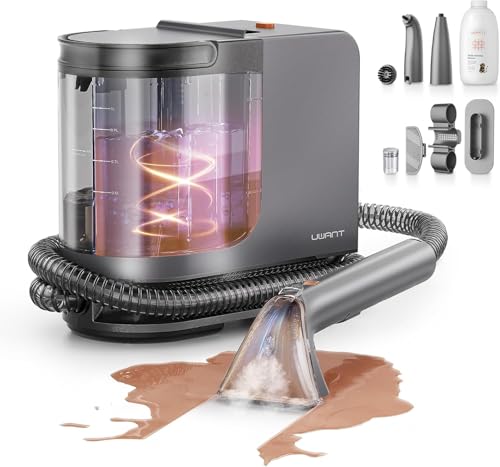
- Upright steam cleaner for upholstery and furniture with wide steam nozzle
- Furniture cleaning brush set and microfiber cloths for couch cleaning


Before You Start
Before beginning, move furniture away from walls and clear the area. Vacuum the entire couch with a handheld or attachment vacuum to lift dust and pet hair. Check the manufacturer’s care label for any restrictions and always perform a spot test in an inconspicuous area. Never saturate microfiber with water or cleaner; use light, even passes and allow the fabric to air dry. Plan for a dry time of about 4–6 hours, or longer in humid environments.
Step-By-Step: How To Clean A 7th Avenue Couch
- Vacuum the entire surface using the upholstery attachment to remove loose dirt and debris.
- Inspect the fabric and locate any stains. Pretreat with a microfiber upholstery cleaner, applying only a small amount to a microfiber cloth.
- Gently blot stains rather than rubbing to avoid fiber damage and spread. Work from the outside of the stain toward the center.
- Use the cleaning kit’s brush attachments to agitate the fabric in a gentle, circular motion where soiling is evident.
- Lightly spritz a fine mist of cleaner on a hidden area to test pH compatibility with the fabric. If no discoloration occurs, continue on visible areas.
- Operate the upright steam cleaner with a wide nozzle at a comfortable distance, using slow, overlapping strokes to lift dirt without saturating the cushions.
- Wipe the fabric with a clean microfiber cloth to remove loosened soil and residual cleaner, repeating as needed until the cloth remains clean.
- Allow the couch to air dry completely. Improve drying by opening nearby windows or turning on a fan, and avoid heavy use until fully dry.
- For stubborn spots or deep cleaning, repeat treatment on small areas rather than the entire sofa to prevent over-wetting.
- Return cushions to their original positions and fluff them to restore the sofa’s shape after drying.
- Follow up with a light vacuum once the couch is fully dry to remove any fiber lift created during cleaning.
Troubleshooting
| Symptom | Likely Cause | Fix | Prevention |
|---|---|---|---|
| Streaks or uneven color | Excess cleaner or uneven application | Reapply a small amount with a fresh cloth and blend with gentle strokes | Test on hidden area first; use light coats |
| Water rings or damp spots | Over-wetting the fabric | Blot with microfiber cloth; increase air flow to dry | Avoid saturating the fabric; use minimal moisture |
| Stains reappearing after drying | Deep-set stains not fully removed | Repeat spot cleaning on the affected area | Address stains promptly |
| Fabric feels stiff after cleaning | Leftover cleaner or moisture | Lightly brush and re-dry | Use cleaner sparingly and ensure complete drying |
Common Mistakes
- Over-wetting the fabric during cleaning
- Rubbing stains aggressively, which can fray fibers
- Using household detergents not designed for microfiber upholstery
- Skipping a test in a hidden corner before full application
- Ignoring drying time, leading to musty odors
Tips For Best Results
- Use a dedicated microfiber cleaner that includes fabric-safe brushes to lift dirt without damaging fibers.
- Keep cleaning sessions short and spread over a day if the couch is heavily soiled.
- Regular maintenance, such as weekly light vacuums, prevents deep grime buildup.
- For stubborn odors, consider a fabric-safe deodorizer after the couch is fully dry.
- Store cleaning tools within reach to maintain a quick cleaning routine after spills.
Call A Professional
Consider a professional if the couch has deep stains, strong odors, or if the fabric shows color fading after cleaning attempts. Stop cleaning and seek help if the fabric begins to pucker, if there are dye transfers to the surface, or if the furniture warranty requires specialist care.
FAQ
Is it safe to use steam on microfiber couches?
Yes, when used with a wide nozzle and at a safe distance, steam can help lift dirt, but avoid over-wetting the fabric and always test first.
How often should I clean a microfiber couch?
Light cleaning every 1–2 months is recommended, with spot-cleaning as needed for spills and stains.
What cleaners are best for microfiber upholstery?
Use cleaners labeled for microfiber upholstery or those specifically designed for synthetic fabrics, following the manufacturer’s instructions.
Can I clean a 7th Avenue couch with a home vacuum?
Yes, use an upholstery attachment to remove surface dust and debris before deep cleaning.
Buying Guide
When evaluating cleaning options for a microfiber couch, consider size, cleaning frequency, and ease of use. A compact upright steam cleaner with a wide nozzle can speed up maintenance, but ensure it’s suitable for upholstery and has adjustable steam settings. A dedicated microfiber upholstery cleaning kit with brush attachments enhances stain treatment and fabric agitation without saturating the fibers. Look for tools that fit your sofa dimensions and the fabric’s tolerance. Noise level matters in a quiet living room, and energy-efficient cleaning devices reduce long-term usage costs. Finally, check the care instructions on the couch label and select products that align with those guidelines to preserve color and texture over time.
Leave a Reply