How to Clean a Stone Walkway
A well-maintained stone walkway can dramatically improve curb appeal and extend the life of the surface. This practical guide outlines a clear, step-by-step approach using common tools to remove dirt, algae, and stains while protecting the stone.
Careful preparation and the right technique help prevent damage to flagstone, concrete pavers, or other stone surfaces. The method below emphasizes safety, efficiency, and results that look fresh without harming the stone or surrounding plants.
Quick Answer
Use a 2000-3000 PSI electric pressure washer with a turbo/rotating nozzle for initial cleaning, followed by a stiff nylon deck scrub brush for stubborn areas. If sealing is desired, apply a penetrating stone sealer after the surface dries fully.
What You’ll Need
- 2000-3000 PSI electric pressure washer for exterior stone walkway cleaning with turbo/rotating nozzle
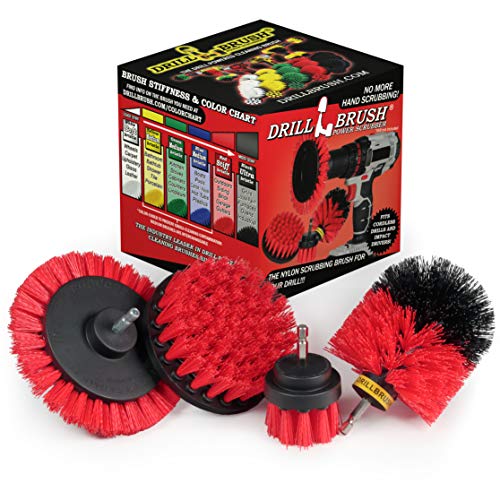
- Stiff nylon deck scrub brush with long handle for cleaning stone pavers flagstone exterior
- Penetrating stone sealer for flagstone and concrete pavers (oil/solvent-based or water-based) 1-5 gallon


Before You Start
Inspect the walkway for loose or cracked stones and repair as needed before cleaning. Remove furniture, potted plants, and debris from the area. Protect nearby plants by wetting them down or covering with plastic sheets. Work on a dry day with mild temperatures to avoid rapid drying that can leave water spots. Wear eye protection and sturdy footwear, and follow all safety instructions for the pressure washer to prevent injury or surface damage.
Estimate time: 2–6 hours depending on surface area and stain severity. Plan for drying time after cleaning and, if sealing, additional cure time as recommended by the sealer manufacturer.
Step-By-Step: How To Clean a Stone Walkway
- Prepare the area and test a small inconspicuous spot with the pressure washer to gauge the surface reaction.
- Clear loose dirt with a stiff brush or leaf blower before applying water pressure to reduce splashing and mud formation.
- Set the pressure washer to a safe range for stone (start at the lower end of the recommended range) and use the turbo/rotating nozzle for circular passes to lift grime.
- Work in manageable sections, overlapping strokes to avoid missed spots and ensure even cleaning across flagstone and concrete pavers.
- Reseal stubborn stains with targeted scrubbing using the stiff nylon brush, applying gentle, consistent pressure to avoid scratching the stone.
- Rinse each section thoroughly to remove loosened dirt and detergent residues. Avoid pooling water, which can promote mildew growth.
- Allow the surface to dry completely, typically 24–48 hours depending on weather, before applying any sealer.
- Apply the penetrating stone sealer evenly according to the product directions, using a brush or roller for consistency and to reach joints.
- Let the sealer cure in a well-ventilated area, keeping foot traffic minimal until the surface is fully cured.
- If needed, re-clean any remaining high spots after the first seal coat and apply a second coat as recommended by the sealer manufacturer.
- Regular maintenance includes periodic light cleaning and resealing on a schedule that matches wear, weather, and foot traffic.
Troubleshooting
| Symptom | Likely Cause | Fix | Prevention |
|---|---|---|---|
| Streaks or uneven cleaning | Inconsistent nozzle distance | Maintain a steady distance and overlapping passes | Practice on a small area first |
| Damaged grout or joints | High pressure on delicate joints | Reduce pressure and avoid direct nozzle on joints | Test area and use appropriate attachments |
| Excessive surface drying spots | Direct sun or fast drying | Clean during cooler part of day; mist with water if needed | Schedule cleaning for mild weather |
| Stains reappearing after cleaning | Porous stone absorbs stain-causing compounds | Apply penetrating sealer after thorough drying | Regular cleaning and timely sealing |
Common Mistakes
- Using too high pressure on soft or delicate stone can cause pitting or gouges.
- Over-wetting porous surfaces before sealing can trap moisture and affect adhesion.
- Skipping a test patch, which risks unexpected damage or color change.
To avoid these issues, start with the lowest effective pressure, work in small sections, and follow up with a proper sealer when appropriate.
Tips For Best Results
- Angle the spray slightly downwards to push dirt off the surface rather than into joints.
- Rinse between sections to prevent dirt from drying into stubborn stains.
- Use a stiff brush on stubborn areas like algae growth and moss to lift it before a final rinse.
- Choose a penetrating stone sealer compatible with both flagstone and concrete pavers for uniform protection.
Call A Professional
Contact a pro if the stone walkway shows significant cracking, structural movement, or severe staining that resists standard cleaning. Seek professional help for large areas or if the surface is older and delicate; professionals can tailor the cleaning and sealing approach to preserve the stone integrity and color.
FAQ
Can I use any sealer on flagstone and concrete pavers?
Use a penetrating sealer designed for natural stone; verify compatibility with flagstone and concrete pavers and choose oil/solvent-based or water-based according to project needs.
How long should the walkway dry before sealing?
Typically 24–48 hours of dry conditions, but follow the sealer’s product instructions for cure time.
Is it necessary to seal after cleaning?
Sealing helps protect against stains and weathering, especially on porous stone. It is recommended in high-traffic or staining-prone areas.
What maintenance is needed after sealing?
Clean periodically and reapply sealer as needed based on wear and manufacturer guidance.
What safety considerations are important when using a pressure washer?
Wear eye protection, keep the nozzle at a safe distance, and avoid directing the jet at joints or loose stones to prevent damage.
Buying Guide
Choosing the right equipment and products for cleaning and maintaining a stone walkway involves several factors. Start with the surface type and soil condition to determine the cleaning approach, then consider sealing options for long-term protection. A balanced plan combines effective cleaning with durable protection tailored to flagstone and concrete pavers.
Size and cleaning power
For most residential stone walkways, a pressure washer in the 2000–3000 PSI range provides sufficient cleaning power without risking damage. A turbo/rotating nozzle can help lift embedded grime more effectively than a standard spray.
Noise level and energy use
Electric pressure washers are typically quieter and more energy-efficient than gas models, making them suitable for home driveways and near landscaping. Check decibel ratings if noise sensitivity is a concern.
Sealing options and materials
Penetrating sealers come in oil/solvent-based and water-based formulations. Water-based sealers are often easier to work with and have lower odor, while oil/solvent-based sealers may offer deeper penetration in some environments. Choose based on climate, foot traffic, and maintenance preferences.
Controls and ease of use
Models with adjustable pressure settings, multiple nozzle options, and straightforward spray pattern controls simplify cleaning and reduce the risk of surface damage. Look for user-friendly features like quick-connect accessories and clear instructions.
Placement and coverage
Measure the walkway area to estimate the quantity of cleaning solution and sealer needed. For sealers, ensure the product covers all stone surfaces, including joints, without pooling. Consider whether you need additional tools, such as a long-handled brush, for hard-to-reach sections.
Leave a Reply