How to Clean Hot Tub After Draining
A hot tub that has just been drained requires a careful cleaning routine to remove mineral buildup, residual soap, and debris before refilling. This guide provides a practical, step-by-step method using common spa cleaning tools and safe surfaces. Following these steps helps protect the acrylic shell and keep the water chemistry balanced after refilling.
Whether you’re preparing for a routine maintenance, a seasonal refresh, or after a dramatic use, this approach minimizes the risk of streaks, odors, and residue that can affect your spa experience. The process emphasizes safe handling of cleaning products and a methodical rinse to ensure the surface is ready for new water.
Quick Answer
Drain the tub, remove loose debris, wipe down all interior surfaces with a dedicated spa surface cleaner, scrub with a nylon bristle brush, rinse thoroughly, dry, and then proceed to refilling and balancing the water chemistry. Use microfiber cloths for final wipe-down and shine, and recheck seals and jets before use.
What You’ll Need
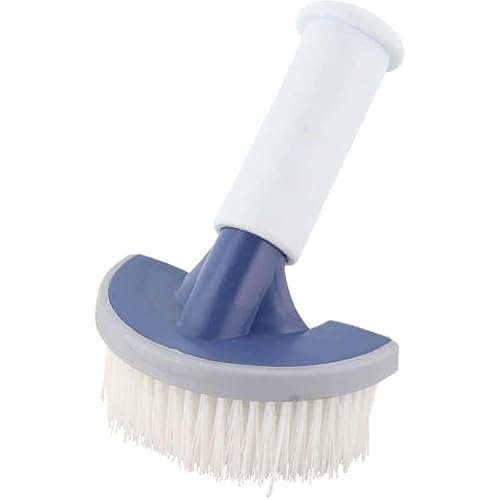
- Hot tub cleaning brush nylon bristle scrubber for acrylic spa
- Spa surface cleaner spray for acrylic hot tub
- Microfiber cloths for hot tub cleaning


Before You Start
Prepare the area around the hot tub to catch runoff and prevent slipping. Ensure the power is off at the control panel and disconnect if necessary to avoid accidental activation. Wear gloves to protect hands from cleaners and sharp edges. Time estimate: 45–90 minutes depending on tub size and buildup. Critical cautions: never mix cleaners not labeled for spa use, and avoid harsh abrasive pads that can scratch acrylic. Keep cleaners out of reach of children and pets.
Step-By-Step: How To Clean Hot Tub After Draining
- Remove all visible debris from the surface using a clean microfiber cloth.
- Rinse the interior with plain water to loosen dust and mineral deposits.
- Spray the spa surface cleaner onto the acrylic shell, focusing on corners and skirt areas with buildup.
- Gently scrub with the nylon bristle brush, using long, even strokes to avoid scratching the surface.
- Rinse the shell thoroughly with clear water, ensuring all cleaner residue is washed away.
- Wipe the interior dry with clean microfiber cloths to reduce water spots and wipe away lingering cleaner.
- Inspect jets, fittings, and the drain area for any remaining debris or buildup; repeat cleaning if needed.
- Wipe down the exterior surfaces and control panel with a damp microfiber cloth and a mild spray if necessary.
- Allow the tub area to air-dry completely before refilling to prevent trapped moisture.
- Refill the tub following manufacturer guidelines and recheck seals and fittings for leaks once water returns to the desired level.
- Cycle the heater briefly with low flow to verify heat and circulate the water after refilling.
- Test and adjust water chemistry after refilling to achieve the recommended balance for enjoyment and safety.
Troubleshooting
| Symptom | Likely Cause | Fix | Prevention |
|---|---|---|---|
| Streaks or water spots | Residual cleaner or minerals | Rinse thoroughly, dry with microfiber | Rinse twice with clean water after cleaning |
| Residual cleaner scent | Incomplete rinse | Flush with additional fresh water and wipe | Rinse until scent is gone |
| Scratches on acrylic | Using a stiff brush or abrasive pad | Switch to nylon bristle brush and soft cloth | Use appropriate tools only |
| Persistent odors after refill | Organic residue in lines or jets | Clean jets and plumbing with cleaner, rinse | Perform a more thorough drain-and-clean cycle |
| Water leaks around seals | Improper resealing or worn gaskets | Inspect and replace seals as needed | Regular seal checks after cleaning |
Common Mistakes
- Using household cleaners not labeled for acrylic spas
- Scrubbing with abrasive tools that scratch the surface
- Rushing the rinse and leaving cleaner residue behind
- Skipping the dry step, which can promote mineral buildup
Taking a mindful, methodical approach reduces the risk of surface damage and ensures a clean start for the next fill.
Tips For Best Results
- Use a dedicated spa surface cleaner designed for acrylic shells to protect the finish.
- Apply cleaner to the cloth or brush rather than directly onto the surface to limit splashes.
- Work in sections, especially around jets and corners where buildup hides.
- Keep microfiber cloths clean and separate from towels to avoid transferring lint.
- Rinse thoroughly and dry completely to prevent mineral deposits from forming as the tub dries.
Call A Professional
Consider calling a pro if you notice persistent leaks around seals, unusual odors after cleaning, or if the spa surface shows deep scratches or fading that affects performance. Do not attempt significant disassembly or seal replacement without guidance from a qualified technician.
FAQ
How soon can I refill after cleaning?
Refill once the interior is completely dry and all cleaning residues are rinsed away.
Can I use bleach to clean the hot tub?
Avoid household bleach on acrylic surfaces; stick to cleaners labeled for spa use.
Do I need to dry the tub before refilling?
Yes, drying helps prevent water spots and mineral buildup after refilling.
What if the jets trap cleaner residue?
Rinse jets with clean water, and wipe the surrounding surfaces to remove any residue.
Buying Guide
Key factors to consider when selecting spa cleaning tools and supplies:
- Size and compatibility: Ensure brushes and cloths are suitable for the tub’s interior dimensions and smooth acrylic surface.
- Brush type: Nylon bristle brushes are gentle on acrylic; avoid metal or stiff pads that can scratch.
- Surface cleaners: Choose pH-balanced, acrylic-safe spa cleaners to protect finishes.
- Cleaning accessories: High-absorbency microfiber cloths help achieve a streak-free finish and speed up drying.
- Ease of use and maintenance: Look for sprays and wipes that can be used without harsh mixing or heavy scrubbing.
- Safety certifications: Confirm products are designed for use with hot tubs and won’t degrade seals or plastics.
- Storage and organization: Keep tools together and away from moisture to maintain effectiveness.
When comparing options, think about how often you drain and clean, your tub’s material, and whether you value quick, minimal-rinse products. A balanced kit with a nylon brush, dedicated surface cleaner, and microfiber cloths typically provides reliable results with less effort.
Leave a Reply