How to Clean Stainless Cookware
Stainless steel cookware combines durability with sleek aesthetics, but keeping it gleaming requires a straightforward cleaning routine. This guide outlines practical, American-friendly steps to remove stains, discoloration, and residue while preserving the metal’s shine and longevity.
Quick Answer
Overview: For everyday cleaning, rinse with warm water, apply a gentle cleaner, scrub with a non-scratch brush, and dry completely. For tougher spots, use a specialized stainless steel cleaner cream and polishing cloths to restore luster without scratching. Regular maintenance prevents dulling and keeps cookware looking new longer.
What You’ll Need
- Stainless steel cookware cleaner cream 8 oz
- Non-scratch nylon scrub brush for stainless steel pots
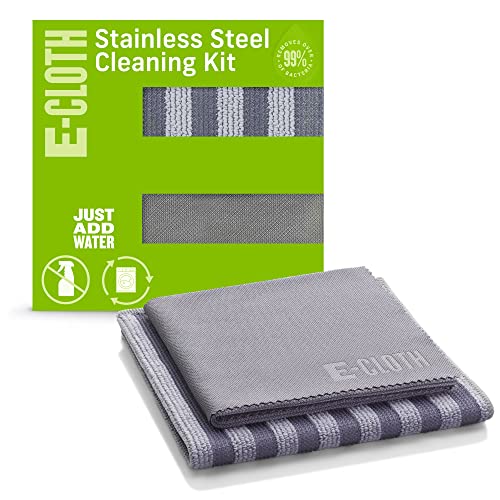
- Stainless steel cookware polishing microfiber cloth kit
- Warm water and mild dish soap
- Soft sponge or cloth for delicate areas


Before You Start
Assess the cookware surface for scratches or pitting. A matte or rainbow-toned patina can form from heat and minerals but is generally harmless. Always avoid bleach, chlorine, and abrasive cleaners, which can damage the surface. Allow pots to cool before cleaning to prevent warping. Plan a cleaning session that fits 15–30 minutes per item, depending on buildup.
Step-By-Step: How To Clean Stainless Cookware
- Rinse the pan with warm water to loosen loose debris and food particles. This minimizes scratching during scrubbing.
- Soak for stubborn residue by filling with warm, soapy water for 5–15 minutes. This helps lift stuck-on bits without harsh scrubbing.
- Apply cleaner a small amount of stainless steel cookware cleaner cream to a damp sponge or cloth. Avoid applying directly to hot surfaces.
- Scrub using a non-scratch nylon scrub brush in a circular motion, focusing on burned or discolored areas. Use gentle pressure to protect the finish.
- Rinse thoroughly with warm water to remove all cleaner and residue. Residual cleaner can dull the finish if left behind.
- Polish with a microfiber cloth from the stainless steel cookware polishing kit. Move in the direction of the grain to restore shine and reduce water spots.
- Dry completely with a clean, dry microfiber cloth to prevent water spots and mineral buildup.
- Inspect for any remaining stains. Repeat the soak, scrub, and polish steps if needed, using gentler pressure on delicate areas.
- Maintain after each use by washing promptly and drying thoroughly to minimize buildup and discoloration.
- Optional deep-clean for persistent stains: simmer a solution of water and a splash of white vinegar, then scrub and rinse as above. Vinegar can help remove mineral deposits without harsh chemicals.
- Storage store in a dry area, stacking with care or placing soft separators to prevent scratches.
- Consistency Regular light cleanings are more effective than infrequent heavy scrubs and maintain the cookware’s luster over time.
Troubleshooting
| Symptom | Likely Cause | Fix | Prevention |
|---|---|---|---|
| Cloudy or rainbow sheen on surface | Mineral deposits or heat tint | Polish with microfiber cloth; if persistent, use a gentle cleaner cream and rinse well | Dry promptly after washing; avoid high-heat cooking without oil |
| Stubborn burnt-on food | High heat and inadequate soaking | Soak longer, then scrub with nylon brush and cleaner cream | Preheat with oil or liquid before cooking; deglaze pans |
| Dull finish after cleaning | Wrong cleaner or over-scrubbing | Switch to a dedicated stainless steel cleaner cream and polish | Avoid abrasive pads on smooth surfaces |
| Scratches visible | Harsh tools or metal pads | Stop using metal scrubbers; switch to nylon brushes | Use soft cloths and appropriate tools |
Common Mistakes
- Using bleach or chlorine-based cleaners on stainless steel.
- Scrubbing with metal pads, which can scratch the surface.
- Letting food sit and burn without soaking or deglazing.
- Not drying thoroughly, which can cause water spots or mineral buildup.
Tips For Best Results
- Always scrub in the direction of the grain where visible to preserve the finish.
- Apply a thin, even layer of cleaner cream to avoid streaks.
- Use the microfiber cloth kit for final buffing to maximize shine and minimize lint.
- For hard-water areas, consider using distilled water for final rinses to reduce mineral deposits.
- Store cookware with space between pieces to prevent moisture and odor transfer.
Call A Professional
Consider professional help if the cookware shows deep pitting, severe rust, or persistent discoloration despite repeated cleaning attempts. Also seek expert advice if the surface has lost its protective shine and appears etched or permanently damaged. Seek immediate assistance if any cookware is cracked or warped persistently after cleaning.
FAQ
Can I use dish soap on stainless steel cookware?
Yes, warm water and mild dish soap are a safe baseline for routine cleaning.
Is it safe to use vinegar on all stainless steel pans?
White vinegar can help with mineral deposits, but avoid prolonged exposure on polished finishes; rinse thoroughly afterward.
How do I remove water spots quickly?
Dry with a microfiber cloth and buff with a stainless steel polishing cloth to restore shine.
What should I do about burnt-on residue?
Soak, then scrub with a non-scratch brush and stainless steel cleaner cream for best results.
Buying Guide
Selecting the right stainless cookware cleaning tools and maintenance products can extend the life of the set and keep it looking bright. Consider factors such as size, materials, and compatibility with your existing cookware.
Size And Fit
Choose cleaner containers and polishing cloth kits that match your cookware volume. For a full set, a larger 8 oz cleaner cream and a complete microfiber kit simplify maintenance without frequent repurchasing.
Cleaners And Tools
Use a stainless steel cookware cleaner cream for stubborn buildup and non-scratch nylon scrub brushes for safe scrubbing. A polishing microfiber cloth kit ensures a streak-free finish and protects surfaces during buffs.
Noise Level And Energy Use
This topic is not directly applicable to cleaning products; focus on gentle, manual cleaning methods that don’t require electricity or noisy appliances.
Controls And Convenience
Preface your routine with structured steps and keep tools organized in a dedicated cleaning area. A single kit with cleaner cream, a nylon brush, and microfiber cloths reduces clutter and speeds up sessions.
Placement And Storage
Store cleaners away from heat and moisture, ideally in a cabinet near the sink. Keep microfiber cloths dry and clean to preserve their effectiveness for future polishing sessions.
Leave a Reply