How to Clean Evaporator Coils Safely and Effectively
Keeping evaporator coils clean is essential for maintaining cooling efficiency and indoor air quality. This guide walks American homeowners through a practical, step-by-step method using common tools and products designed for evaporator coil maintenance.
Quick Answer
Use a non-acid evaporator coil cleaner spray to loosen debris, then gently scrub with a dedicated coil brush kit and a fin comb for delicate coil fins. Rinse as directed, allow to dry completely, and test system performance before returning to service.
What You’ll Need
The following tools and materials are recommended for most residential evaporator coil cleaning tasks:
- evaporator coil cleaner spray non-acid 32 oz
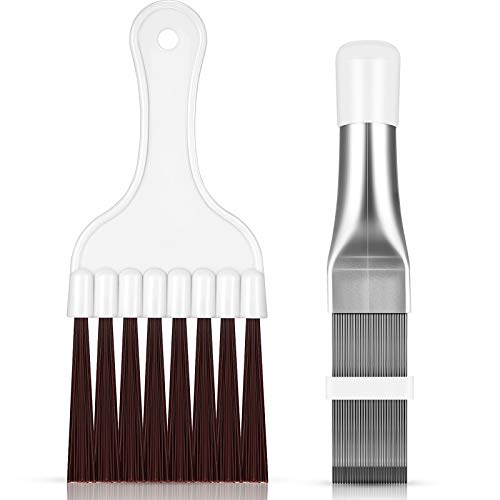
- HVAC evaporator coil cleaning brush kit
- fin comb evaporator coil cleaning tool


Before You Start
Prepare the work area to catch drips and protect nearby components. Disconnect power to the air handler or furnace to prevent shock or fan startup during cleaning. If the evaporator coil is hard to access, consider a service panel removal by a qualified technician. Safety note: Wear eye protection and gloves. Expect a cleanup time of 30 to 60 minutes depending on access and contamination level. Do not use acidic cleaners or high-pressure sprays on aluminum fins, as they can cause damage.
Step-By-Step: How To Clean Evaporator Coils
- Shut off the HVAC system and lock out the power switch to ensure complete de-energization.
- Access the evaporator coil by removing the pane or panel as required, taking care not to damage wiring or the blower motor.
- Apply the non-acid evaporator coil cleaner spray evenly across the coil surface. Allow the cleaner to sit for the recommended dwell time to loosen dirt and microbial buildup.
- Gently scrub the coil with the HVAC evaporator coil cleaning brush kit, focusing on heavily soiled areas without bending fins.
- Use the fin comb evaporator coil cleaning tool to straighten any bent fins and improve airflow through the coil.
- Rinse or wipe away loosened debris, following product directions. Do not oversaturate if a water line is not readily available or if the unit is not designed for direct rinsing.
- Inspect the drain pan and condensate line for blockages; clear as needed to prevent water backups after cleaning.
- Reassemble the panel, restore power, and run the system on cool to confirm improved airflow and cooling performance. If temperatures do not stabilize, consider professional service.
Troubleshooting
| Symptom | Likely Cause | Fix | Prevention |
|---|---|---|---|
| Low air output after cleaning | Fin damage or improper reclosing | Realign fins and reseal panels; verify wiring | Handle fins gently; use proper tools |
| Persistent frost on evaporator | Poor airflow or low refrigerant issues | Check blower operation and ductwork; schedule refrigerant check | Regular maintenance to maintain airflow |
| Cleaner drips or spills | Over-saturation or improper drainage | Wipe excess liquid; ensure drain pan is clear | Use cleaner as directed and avoid overuse |
| Unusual odors | Mold or mildew buildup | Re-clean with appropriate cleaner and dry thoroughly | Keep area dry and ventilated after cleaning |
Common Mistakes
- Using acidic cleaners on aluminum evaporator coils
- Rushing the dwell time or skipping the fin straightening step
- Over-wetting the coil or failing to dry the area completely
- Forcing panels or dislodging wiring to access hard-to-reach coils
Tips For Best Results
- Schedule cleaning during mild outdoor conditions to prevent rapid drying of cleaners.
- Use a soft brush and a fin comb in combination to avoid damaging delicate fins.
- Document the cleaning date and any observed issues to guide future maintenance.
- Inspect and clean the condensate drain to prevent water backups after cleaning.
- If the coil is heavily fouled or inaccessible, contact a licensed HVAC technician for safe service.
Call A Professional
Stop and seek professional help if you notice any of the following: refrigerant leaks, unusual noises from the blower, electrical smells, or if cleaning the coil would require disassembly beyond standard service panels. Do not attempt refrigerant work yourself; only a licensed technician should handle refrigerant-related tasks.
FAQ
What is the best cleaner for evaporator coils?
A non-acid evaporator coil cleaner spray is recommended for residential coils to safely break down grime without damaging aluminum fins.
Can I rinse the coils with water?
Rinse only if the product directions permit and the unit design allows it; otherwise wipe clean to avoid water intrusion into electrical components.
How often should evaporator coils be cleaned?
Most homes benefit from cleaning every 1–3 years, depending on usage, air quality, and dust levels.
Will cleaning improve my AC efficiency?
Yes, cleaner coils typically improve heat transfer and airflow, which can enhance efficiency and cooling performance.
Do I need to replace the fins after cleaning?
Only if fins are severely bent or damaged; minor straightening with a fin comb often suffices.
Is it safe to clean coils myself?
For standard residential units with accessible coils, DIY cleaning is feasible using the right tools; otherwise, hire a pro for safety and efficiency.
Should I clean coils during humid months?
Yes, cleaning before peak cooling season helps maintain performance, especially in dusty or pollen-heavy climates.
Buying Guide
When choosing products and tools for evaporator coil cleaning, consider how often you will clean, access to the coil, and your comfort with DIY maintenance. The key buying factors below help ensure you pick effective, safe options.
- <bSize and compatibility: Ensure the cleaner is suitable for your unit’s coil dimensions and material.
- <bNo-acid formulation: Prioritize non-acid cleaners to protect aluminum fins and coatings.
- <bCleaning tools: A dedicated HVAC evaporator coil cleaning brush kit and a fin comb are essential for thorough cleaning and fin maintenance.
- <bEase of use: Look for spray cleaners with clear dwell times and simple application methods.
- <bSafety and compatibility: Check for low odor, minimal fumigation, and approvals for residential use.
- <bMaintenance access: Consider how easily you can access the coil panel and whether the area requires panel removal.
- <bEnergy and environmental considerations: Choose products with safe environmental profiles and minimal chemical runoff.
- <bPlacement and accessibility: Plan where to store cleaners and brushes, and ensure you have adequate space to work without damaging surrounding components.
Before purchasing, assess your system’s accessibility and whether you prefer DIY cleaning or professional service. Are you ready to maintain better airflow and efficiency with regular coil care?
Leave a Reply