How to Clean Semen Stains From Fabric Safely and Effectively
Removing semen stains from fabrics is a common laundry challenge. The right steps can lift stains and neutralize odors without damaging the material. This practical guide explains an evidence-based approach using enzyme cleaners and standard laundry practices suitable for most American households.
Quick Answer
Act quickly when a stain appears, blot—don’t rub—then pretreat with an enzyme cleaner designed for bodily fluids. Launder promptly in the warmest water permitted by the fabric care tag. For tough or set stains, repeat pretreatment and washing before drying.
What You’ll Need
- Enzyme-based stain remover for semen on fabric
- Semen stain remover spray prewash laundry
- Pre-treat fabric stain remover enzyme cleaner for bodily fluids
- Water and a mild detergent
- Old towel or cloth for blotting
- Cold or warm water according to fabric care tags
- Optional white vinegar (for odor) and a odor-neutralizing rinse


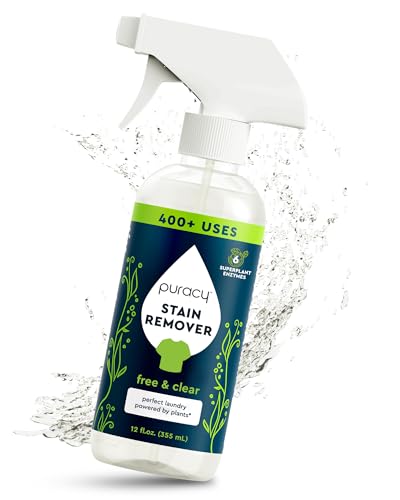
Before You Start
Check the fabric care label for washing instructions and temperature limits. Test any cleaner on a hidden area first to ensure no color fading or fabric damage. Work in a well-ventilated area and wear gloves if you have sensitive skin. Time estimates: pretreating 5–10 minutes, washing 20–45 minutes, plus drying as needed. Avoid hot water on protein-based stains, which can set them.
Step-By-Step: How To Clean Semen Stains From Fabric
- Blot the stain gently with a clean cloth to remove excess moisture. Do not rub, which can push the stain deeper.
- Rinse the back of the stain with cold water to push the stain out of the fibers.
- Apply an enzyme-based stain remover designed for bodily fluids and let it sit according to the product instructions.
- For larger or stubborn stains, spray the area with semen stain remover spray prewash laundry and gently work the product in.
- After pretreatment, launder the item in the warmest water allowed by the care label, using an appropriate amount of detergent.
- Check the stain before drying. If any trace remains, repeat pretreatment and washing. Do not tumble dry until completely removed, as heat can set stains.
- Dry the fabric as recommended by the care label. If odor persists, a second wash with an odor-neutralizing rinse can help.
- If the stain persists after multiple attempts, consider a professional cleaner with enzyme-based products for fabrics sensitive to home methods.
Troubleshooting
| Symptom | Likely Cause | Fix | Prevention |
|---|---|---|---|
| Stain remains after washing | Insufficient pretreatment or heat setting | Repeat pretreatment with enzyme cleaner; wash again; avoid drying | Pre-treat promptly, follow care label temperatures |
| Fabric color fade | Harsh cleaner or scrubbing | Use milder enzyme cleaners and gentle patting instead of scrubbing | Test in hidden area first |
| Persistent odor | Protein-based odor not fully removed | Rinse with odor-neutralizing solution or add white vinegar in rinse | Rinse twice and air dry |
| Stains on delicate fabrics | Inappropriate temperature or cleaner | Use spot treatment with fabric-safe enzyme cleaner and cold water | Follow care tag strictly |
Common Mistakes
- Rubbing the stain, which spreads it and fibers.
- Using hot water on protein-based stains, which can set them.
- Skipping pretreatment or using ineffective cleaners.
- Drying before stain is fully removed, which can fix the stain.
These missteps can complicate removal and reduce the chance of complete stain elimination.
Tips For Best Results
- Act quickly: the sooner you treat, the higher the likelihood of complete removal.
- Use enzyme cleaners formulated for bodily fluids; they target proteins in the stain effectively.
- Always test cleaners on inconspicuous fabric areas to avoid discoloration.
- Follow the care label for water temperature and washing method to protect fabrics.
- For persistent odors, a second wash with an odor-control rinse can help but avoid over-drying.
Call A Professional
Contact a professional cleaner if the item is valuable, delicate, or if repeated home attempts fail. Stop using bleach on protein-based stains as it can promote yellowing on some fabrics. Seek expert care when dealing with silk, wool, leather, or fabric with finishes that may react to cleaners.
FAQ
What temperature should I use to wash semen stains?
Use the warmest temperature allowed by the fabric care label that is safe for the material; hot water can set the stain for many fabrics.
Can I use vinegar to remove odors?
Yes, a small amount of white vinegar in the rinse can help neutralize odor, but test first on delicate fabrics.
Is enzyme cleaner necessary for bodily fluids?
Enzyme cleaners are highly effective for protein-based stains and odors, making them a recommended option for semen stains.
What if the stain returns after washing?
Repeat pretreatment and washing. If it persists, seek professional cleaning advice and avoid drying in between attempts.
Can I dry the item after stain removal?
Only after confirming the stain is fully gone; heat from drying can set remaining traces.
Are there fabrics I should avoid with these cleaners?
Delicate fabrics or finished surfaces may require special care; always follow the fabric care label and test patches first.
Will these methods remove all stains from all fabrics?
Results vary by fabric type and stain age. Enzyme cleaners are effective on many fabrics, but some materials may require professional treatment.
Buying Guide
When choosing products to tackle semen stains, consider size, formulation, and how you plan to treat different materials. Look for enzyme-based cleaners designed for bodily fluids and compatible with common fabrics. Evaluate how the products interact with prewash sprays and stain removers to create a coordinated solution. Consider the following factors:
- Size and concentration: Larger bottles may offer better value for frequent stain removals; concentrated formulas can be diluted for delicate fabrics.
- Effectiveness on protein stains: Enzyme-based cleaners excel against protein-based stains like semen.
- Fabric compatibility: Check for compatibility with cotton, synthetics, blends, and delicate fabrics.
- Allergen and scent considerations: Choose formulations with low irritants if sensitivity is a concern.
- Ease of use: Prewash sprays offer quick spot treatment, while soakable cleaners provide deep treatment for stubborn stains.
- Environmental impact: Look for the safe disposal and minimal harsh chemical content where possible.
For most users, a combination of a prewash stain spray and an enzyme-based stain remover provides a practical, effective approach. Compare product labels for directions and safety data, and follow care labels on fabrics. If stain removal is critical for a valued garment, consider professional help.
Leave a Reply