How to Clean a Dog’s Mouth After Eating Poop
Digestive missteps happen, but a quick and safe mouth clean‑up can prevent lingering odors and reduce health risks. This guide outlines practical steps using pet‑safe tools to refresh your dog’s mouth after poop eating, with an emphasis on gentle brushing and enzymatic products.
Pet owners often overlook post‑incident care. Properly cleaning a dog’s mouth supports oral health, discourages bacteria buildup, and helps keep you and your home smelling fresh. The following steps balance restraint, hygiene, and convenience for most everyday scenarios.
Quick Answer
- Act quickly to minimize contact time with contaminants.
- Gently brush the teeth using a dog‑friendly brush and enzymatic toothpaste.
- Follow with a mouth spray for fresh breath and extra disinfection.
- Avoid human toothpaste and harsh chews immediately after the incident.
What You’ll Need
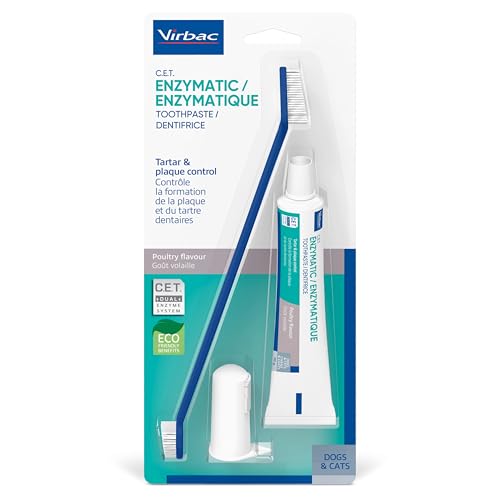
- Soft bristle dog toothbrush set
- Finger brush
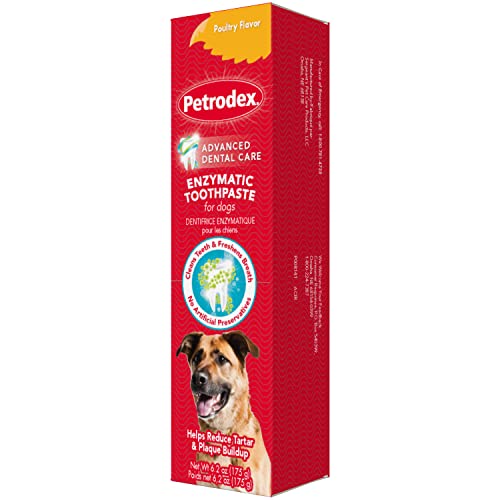
- Enzymatic toothpaste
- Enzymatic toothpaste (chicken flavor) 2 oz
- Dog mouth spray (enzymatic spray)

Before You Start
Prepare a calm environment to reduce stress for your dog. Use gentle, veterinarian‑approved products and avoid any harsh chemicals. Time the cleaning within minutes of the incident when possible. If the dog shows signs of vomiting, coughing, or refusing to eat, pause and assess health concerns with a veterinarian.
Safety notes include keeping the dog restrained if needed, supervising children, and ensuring the mouth products are specifically designed for dogs. Do not share human toothpaste or mouthwash for pets, and never force a brush if the dog is uncomfortable.
Step-By-Step: How To Clean A Dog’s Mouth After Eating Poop
- Gently restrain your dog and open the mouth calmly to inspect for obvious debris.
- Rinse the mouth with a small amount of lukewarm water using a cup or syringe designed for pets.
- Apply a pea‑sized amount of enzymatic toothpaste onto the brush or finger brush.
- Begin brushing with slow, circular motions along the gumline and teeth, focusing on the back molars and canines.
- Use the finger brush for hard‑to‑reach areas if your dog tolerates it better than a full brush.
- Finish brushing with a light pass across the tongue to remove surface residues and improve breath.
- Spray a small amount of dog mouth spray onto the tongue and inside the cheeks to help neutralize odors.
- Offer water and a small treat to reinforce a positive routine and reward calm behavior.
Troubleshooting
| Symptom | Likely Cause | Fix | Prevention |
|---|---|---|---|
| Dog resists brushing | Discomfort or fear | Use a softer brush and short sessions; pair with treats | Gradual desensitization over days |
| Excessive drooling during brushing | Gag reflex or sensitive mouth | Pause and provide a break; use smaller brush head | Start with surface cleaning before deep brushing |
| Persistent bad breath after brushing | Residual debris or GI issue | Increase brushing frequency to every 24 hours; consult vet if persistent | Check diet and hydration; regular dental care |
| Uneaten enzymatic paste | Pawing or licking mouth | Apply a smaller amount and brush faster; use mouth spray as alternative | Introduce enzymatic toothpaste slowly |
Common Mistakes
- Using human toothpaste or harsh cleaners that can irritate a dog’s mouth.
- Rushing brushing or forcing a mouth open in an anxious dog.
- Skipping the tongue area, where bacteria accumulate.
- Relying on a single method; combine brushing, sprays, and routine dental care.
Tips For Best Results
- Choose products with narrowly defined enzymatic action for odor control and plaque reduction.
- Introduce brushing gradually, starting with the toothbrush near the front teeth and building to full sessions.
- Pair brushing with positive reinforcement: treats, praise, and a calm routine.
- Rotate flavors of enzymatic toothpaste to maintain interest while staying within canine‑specific formulations.
Call A Professional
If the dog shows persistent mouth discomfort, bleeding gums, inability to tolerate brushing, or signs of mouth infection, contact a veterinarian promptly. Seek professional dental evaluation if you notice prolonged bad breath, loose teeth, or reduced appetite.
FAQ
Is enzymatic toothpaste safe for dogs after poop exposure?
Yes, enzymatic toothpastes formulated for dogs help break down organic material and reduce odor without harming the mouth when used as directed.
How often should I clean my dog’s mouth after poop eating?
Clean the mouth as soon as possible after an incident, then establish a routine of brushing 2–3 times per week or as advised by a veterinarian.
Can I use a mouth spray alone to freshen breath?
Sprays help with odor but are best used in combination with brushing and regular dental care for optimal results.
What should I do if my dog refuses to tolerate brushing?
Start with small steps, such as touching the mouth with a finger brush, then progress gradually. Consider professional dental cleaning if resistance persists.
Are chicken‑flavored toothpaste options better for dogs?
Flavor can improve acceptance; always select enzymatic toothpaste designed for dogs and avoid any human flavors or ingredients.
Buying Guide
When selecting tools and products for post‑poop mouth care, consider size, ease of use, and compatibility with your dog’s mouth sensitivity. Key factors include:
- Size and grip: Choose a toothbrush or finger brush that fits comfortably in your hand and accommodates your dog’s mouth size.
- Noise and ease of use: A quiet brushing routine reduces stress for anxious dogs.
- Enzymatic formulas: Look for enzymes that target proteins and bacteria responsible for odor and plaque, with a flavor your dog accepts.
- Freshening spray: An enzymatic spray can offer quick odor control between brushing sessions.
- Controls and packaging: Prefer products with clear usage guidelines and vet‑approved labeling.
- Placement and storage: Store away from pets’ reach and in a cool, dry place to maintain product efficacy.
For many dogs, a routine combining soft brushing, enzymatic toothpaste (including chicken flavor varieties), and a refreshing mouth spray provides practical, daily maintenance. If any product seems to cause irritation or discomfort, discontinue use and consult a veterinarian. Would you like help selecting a starter kit based on your dog’s size and temperament?
Leave a Reply