How to Clean Solar Panels
Regular cleaning helps maximize solar panel efficiency, especially in dusty, rainy, or coastal environments where debris can reduce energy output. The following guide provides practical steps, safe techniques, and product recommendations to keep solar arrays performing at their best.
cleaners should be tailored to residential and small commercial installations. This guide focuses on safe, non-abrasive methods suitable for most systems without risking damage to glass, coatings, or wiring.
Quick Answer
For most residential panels, use a soft-bristle brush with a long handle, a mild, non-abrasive cleaning solution, and a gentle rinse with clean water. Clean in cool, overcast conditions and avoid cleaning in direct sun to prevent rapid drying and streaks.
What You’ll Need
- Solar panel cleaning brush kit soft bristle non-abrasive
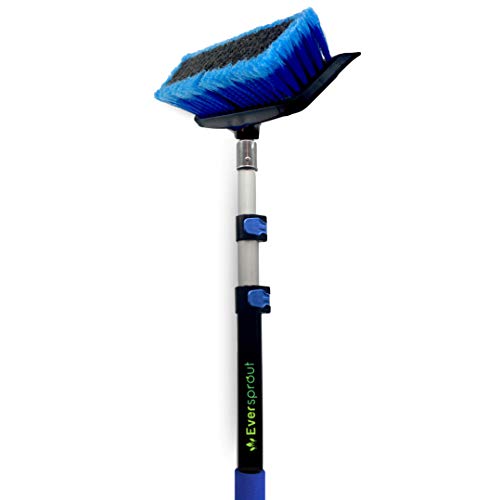
- Extension pole solar panel cleaning brush soft wash
- Solar panel cleaning solution non-abrasive concentrate gallon


Before You Start
Before initiating cleaning, verify that panels are safely accessible and that the system is powered down per manufacturer guidelines. Wear protective gloves and eye protection, and avoid cleaning during peak sun to prevent rapid streaking. Check for loose hardware or damaged wiring and defer cleaning if any safety concerns arise. Plan a cleaning window of 30 minutes to 2 hours depending on the system size and access routes.
Critical cautions: never hose down a wet inverter or exposed electrical components, and avoid climbing on roofs unless you are trained and equipped for safe access. Use a soft, non-abrasive approach to protect panel surfaces and framing.
Step-By-Step: How To Clean Solar Panels
- Survey the installation: inspect for visible damage, debris buildup, or shading from nearby objects.
- Gather supplies: assemble your solar panel cleaning brush kit soft bristle non-abrasive, extension pole solar panel cleaning brush soft wash, and solar panel cleaning solution non-abrasive concentrate gallon.
- Prepare the cleaning solution: mix the non-abrasive concentrate with clean water following the product instructions. Use a light, non-foaming formula to minimize residue.
- Rinse the panels: gently rinse with a soft stream of water to remove loose dust. Avoid high-pressure sprays that can damage seals or framing.
- Apply solution: apply the cleaning solution with the brush on an extension pole, starting at the top edge and working downward in broad, overlapping strokes.
- Brush with care: use slow, vertical or horizontal passes with the soft-bristle brush, ensuring no hard scrubbing on the glass.
- Rinse again: rinse thoroughly with clean water, ensuring all soap residue is removed to prevent streaks or film.
- Assess results: check for remaining spots or stubborn grime, and re-clean those areas if necessary.
- Dry if possible: allow panels to air-dry in mild conditions, or use a squeegee for localized drying to reduce water spots.
- Inspect aftercare: look for any coating or seal damage and verify that monitoring equipment is unaffected by the cleaning process.
- Document the process: note date and conditions for future maintenance cycles and plan the next cleaning interval based on local climate.
Troubleshooting
| Symptom | Likely Cause | Fix | Prevention |
|---|---|---|---|
| Streaks after cleaning | Soap residue or hard water deposits | Rinse thoroughly with clean water; wipe small areas with a microfiber cloth | Use demineralized water if available |
| Water beads migrate along edges | Rapid drying in sunny, windy conditions | Clean during overcast or cooler times; avoid cleaning in peak sun | Schedule regular cleaning to prevent heavy buildup |
| Visible scratches or dull finish | Rough brush or abrasive material | Switch to a softer brush and gentle strokes | Inspect tools before use and replace worn bristles |
| Panels won’t generate expected output after cleaning | Electrical issue or shading remained | Check wiring, inverters, and shading; contact a pro if unresolved | Regular inspections to catch issues early |
Common Mistakes
- Using high-pressure water or aggressive scrubbing on glass
- Cleaning in direct sun or when panels are hot
- Not rinsing away all soap residues, causing streaks or film
- Forgetting to unplug or power down monitoring components during cleaning
Tips For Best Results
- Clean on cool, overcast days to prevent rapid soap drying and streaks
- Use a soft-bristle brush and extendable pole to avoid stepping on roofs
- Combine a rinse with demineralized or distilled water if mineral buildup is common
- Schedule seasonal cleanings in areas with heavy pollen or dust, like agricultural regions
- Keep a maintenance log noting weather conditions and any notable observations
Call A Professional
When safety concerns arise, such as difficult roof access, damaged mounting hardware, or suspected electrical issues, contact a qualified solar technician. Stop cleaning if you notice exposed wiring, cracked panels, or if you lack proper fall protection equipment. In cases of heavy sediment, industrial pollutants, or uncertain conditions, professional services are the safer option.
FAQ
How often should solar panels be cleaned?
Cleaning frequency depends on climate, dust, and nearby vegetation. In dusty or coastal areas, a biannual or quarterly check is common, with adjustments based on performance observations.
Can I use household window cleaner on solar panels?
Avoid ammonia-based cleaners and abrasive agents. Use a non-abrasive cleaning solution specifically designed for solar panels.
Is it necessary to remove panels for cleaning?
Most residential panels can be cleaned in place with an extendable brush and safe water. Roof access and panel age should be considered before attempting lifts or disassembly.
What type of water is best for cleaning?
Clean tap water is typically sufficient, but demineralized or distilled water reduces mineral deposits and streaks in hard-water areas.
Will cleaning void manufacturer warranties?
Cleaning with non-abrasive tools and according to manufacturer guidelines generally preserves warranties. Check your warranty documents for specific care instructions.
Do panels require specialized cleaners?
Most panels respond well to a mild, non-abrasive cleaning solution; avoid acids or solvents that can damage coatings.
What about solar panel maintenance in cold climates?
Snow and ice removal should follow manufacturer guidance and avoid scraping the glass with sharp tools to prevent damage.
Buying Guide
When choosing cleaning gear for solar panels, consider size, performance, and compatibility with your system. A balanced kit should include a soft-bristle brush, an extension pole, and a non-abrasive cleaning solution. Key buying factors:
- Size and reach: Select an extension pole length that safely reaches your highest panels without climbing onto the roof.
- Brush material: Soft bristles prevent scratching and are effective on most coatings.
- Solution type: Non-abrasive concentrates or ready-to-use formulas minimize residue and protect coatings.
- Ease of use: Lightweight tools and simple mixing instructions improve efficiency during maintenance sessions.
- Weather compatibility: Tools that perform well in cool or overcast conditions help maximize cleaning effectiveness.
- Durability and warranties: Look for corrosion-resistant materials and warranties on brushes and poles.
- Safety considerations: Roof access, fall protection, and electrical safety are essential when selecting gear and planning cleaning.
For most homeowners, a bundled approach with a solar panel cleaning brush kit soft bristle non-abrasive, a extension pole solar panel cleaning brush soft wash, and a solar panel cleaning solution non-abrasive concentrate gallon provides a cost-effective, efficient solution. Consider your roof height, panel orientation, and local climate when scheduling maintenance. Would a light, annual cleaning paired with a heavier seasonal check fit your routine best?
Leave a Reply