How to Clean a Farmhouse Sink Efficiently and Safely
Farmhouse sinks, especially apron-front models, add charm to kitchens but require proper care to keep their surface looking bright and free of water spots. This guide provides practical steps, safe tools, and expert tips tailored for the American home chef who wants a spotless, sanitary sink without harsh scrubbing or damage.
This article covers a straightforward method for cleaning a farmhouse sink, with emphasis on stainless steel finishes, ease of maintenance, and common pitfalls to avoid. By following the steps and using the right tools, homeowners can extend the life of their sink and preserve its finish for years to come.
Quick Answer
Best quick approach: Rinse, spray a mild cleaner, scrub with a soft-bristle brush or non-scratch sponge, rinse, then dry with a microfiber cloth to prevent water spots. For stubborn spots, apply a small amount of baking soda paste and gently scrub, then rinse and dry.
What You’ll Need
The following tools and materials help achieve a thorough, scratch-free clean for a farmhouse sink:
- Stainless steel sink scrub brush soft bristles – ideal for removing film without scratching
- Apron-front farmhouse sink compatible brush for tight corners
- Microfiber cleaning cloth stainless steel sink polishing 16×16 – for drying and polishing
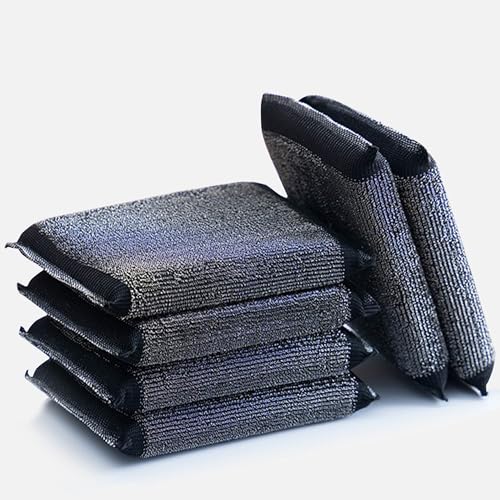
- Non-scratch sponge for stainless steel sink cleaning pad 6-pack – gentle scrubbing power
- Gentle liquid cleaner or mild dish soap
- White vinegar or a dedicated stainless steel cleaner (optional)
- Soft, absorbent towel for drying


Before You Start
Prepare the workspace by removing dishes and wiping off loose debris. Ventilate the area if using cleaners with a stronger scent. Protect nearby wood or painted surfaces from splashes. Time estimate: 10–20 minutes for routine cleaning; 20–40 minutes for tough stains or mineral buildup. Critical cautions: Avoid chlorine bleach, metal scrubbers, or abrasive powders that can dull the finish. Test cleaners on a small, inconspicuous area before full use.
Step-By-Step: How To Clean A Farmhouse Sink
- Rinse the sink with warm water to loosen debris and rinse away soap residues.
- Apply a small amount of mild dish soap directly to the non-scratch sponge for stainless steel sink cleaning pad or brush.
- Scrub in the direction of the grain of the stainless steel, using soft bristles to avoid micro-scratches; focus on corners and around the drain.
- For light water spots, spray a mist of white vinegar or a stainless steel cleaner and wipe with a microfiber cloth to restore shine.
- Rinse thoroughly with clean water until all cleaners are removed.
- Dry the sink completely with the microfiber cleaning cloth to prevent water spots and streaks.
- Inspect for stubborn stains; make a paste from baking soda and a few drops of water, apply gently with the sponge, then rinse and dry.
- Clean the apron lip and any visible bracing with a quick wipe-down; ensure the area under the edge stays dry to prevent mineral buildup.
- Polish the entire surface with the microfiber cloth, buffing in circular motions for a uniform shine.
- Schedule routine cleanings after heavy use to maintain luster, and perform a deeper clean monthly if minerals accumulate.
- Store all tools in a dry spot to prevent rust and keep the brushes in top condition for next use.
- Dispose of any cleaning residue down the drain with a final water rinse to maintain plumbing harmony.
Troubleshooting
| Symptom | Likely Cause | Fix | Prevention |
|---|---|---|---|
| Persistent water spots | Mineral deposits or hard water | Wipe with vinegar spray and dry thoroughly | Dry after each use; consider a weekly polish |
| Streaky finish after drying | Soap residue or dust on cloth | Use a clean microfiber cloth and warm water rinse | Change cloths if they look dirty |
| Scratches on surface | Using abrasive scrubbers | Switch to soft-bristle brushes and non-scratch sponges | Avoid steel wool or rough scrubbers |
| Dark stains around drain | Mineral buildup or soap scum | Apply baking soda paste, scrub gently, rinse | Monthly maintenance with gentle cleaners |
Common Mistakes
- Using harsh abrasive pads or steel wool on stainless steel sinks
- Neglecting to dry the surface after cleaning
- Mixing incompatible cleaners, especially bleach with acidic products
- Overlooking the apron-front edges where grime can accumulate
- Forgetting to test cleaners in a hidden spot first
Tips For Best Results
Consistency matters. Clean the sink soon after heavy cooking or after wiping down counters to prevent residue from drying. Use a soft brush for built-up grime near the drain and a microfiber cloth for the final polish. If the sink is heavily water-marked, a weekly wipe-down with a gentle cleaner can maintain a bright finish without the need for aggressive scrubbing. Place cleaning tools back in a dry area to extend their life and prevent mold in damp spots.
Call A Professional
Consult a pro if the sink shows signs of pitting, persistent rust around the edges, or if the surface finish has dulled despite regular cleaning. Seek professional help for structural concerns such as cracks around the basin or apron, or if the plumbing connections appear compromised. Immediate professional attention is advised for any unusual odors or leaks that arise during cleaning.
FAQ
Can I use bleach on a stainless steel farmhouse sink?
Avoid chlorine bleach on stainless steel finishes as it can damage the surface over time.
What is the best method to remove mineral deposits?
A baking soda paste or a vinegar-based cleaner, used with a non-scratch sponge, works well without scratching.
Should I dry the sink after every use?
Yes, drying reduces water spots and phosphorus buildup, helping maintain shine.
How often should I deep clean a farmhouse sink?
Perform a deeper clean monthly, or whenever mineral buildup or grease is noticeable.
Buying Guide
When selecting cleaning gear for a farmhouse sink, consider size, finish, and practicality for everyday use. For stainless steel farms sinks, look at materials that balance scrubbing power with gentleness, such as soft-bristle brushes and non-scratch sponges. Pay attention to kit contents; a microfiber cloth set with appropriate cleaners can simplify maintenance. Consider the sink edge height and apron front visibility when using tall, flexible brushes. Translation of user needs into tool choice improves efficiency, reduces wear on the finish, and keeps the kitchen looking pristine between deep cleans.
Leave a Reply