How to Clean Slime Off Fabric
Slime accidents are common for homes with kids, pets, or craft enthusiasts. When slime gets on fabric upholstery, clothes, or other textiles, quick, careful cleaning minimizes staining and odor. This guide provides practical steps, safe products, and troubleshooting to help you restore fabrics without damage.
Quick Answer
Act fast: remove excess slime, pretreat with a stain remover gel, then gently blot and launder. For tough spots, repeat with a slime stain remover spray designed for fabric upholstery and use a rubber scrub brush to lift residue without fraying fibers.
What You’ll Need
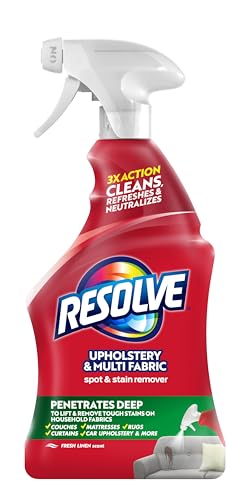
- slime stain remover spray for fabric upholstery
- fabric stain remover gel for clothes slime
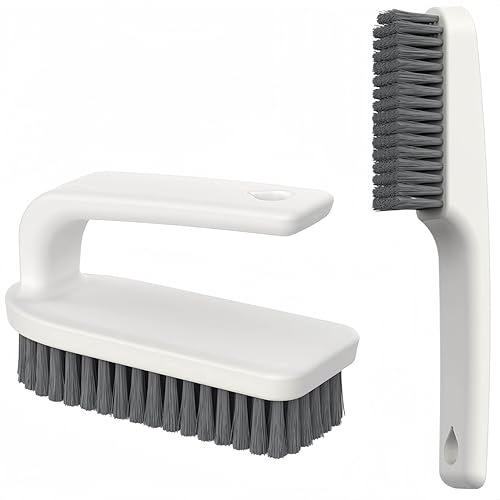
- rubber scrub brush for removing slime from fabric
- Cold or lukewarm water
- Stack of clean towels
- Gentle detergent or laundry soap
- White cloth or sponge for blotting

Before You Start
Check fabric care labels to confirm it is launderable. Test cleaners on a hidden area to ensure colorfastness. Work on a flat surface and avoid rubbing slime deeper into fibers. Use cold water first to prevent setting dyes. Time estimate: 20–60 minutes for initial removal; longer if stains persist. If fabric is delicate (silk, suede, wool), consider professional cleaning instead of DIY methods.
Step-By-Step: How To Clean Slime Off Fabric
- Gently lift and peel away as much slime as possible with a dull spoon or fingers, avoiding shard-like scraping that can fray fibers.
- Blot the area with a clean, dry towel to absorb excess slime and moisture; avoid rubbing, which can push slime deeper.
- Apply fabric stain remover gel for clothes slime directly to the stain and let it sit for 5–10 minutes to penetrate.
- Gently dab with a damp cloth to lift the gel and slime residue; repeat as needed until color transfer stops.
- Spritz with slime stain remover spray for fabric upholstery and use a rubber scrub brush for removing slime from fabric to lightly agitate the surface in circular motions.
- Rinse with clean water or dab with a fresh wet cloth to remove cleaning agents; avoid soaking the fabric if it is not water-safe.
- Pat dry with a towel and allow to air-dry away from direct heat; if the fabric is machine washable, launder according to care label instructions using a gentle cycle.
- Inspect after drying; if faint staining remains, repeat the cleaning steps once more, then launder again if possible.
- For persistent spots, repeat the stain-removal sequence on both sides of the fabric, especially on upholstery cushions where slime can bleed through seams.
- Finally, fluff the fabric with a soft brush to restore texture and prevent stiffness from cleaning agents.
Troubleshooting
| Symptom | Likely Cause | Fix | Prevention |
|---|---|---|---|
| Stain remains after first wash | Slime dye has set | Repeat gel and spray treatment; pre-treat again before laundering | Treat promptly; avoid heat during cleanup |
| Fabric color dulls or spots | Cleaner contact or rubbing | Rinse thoroughly; use milder solutions on delicate fabrics | Test in hidden area first |
| Fabric stiffness after cleaning | Residual cleaning agents | Extra rinse and air-dry completely | Use minimal product and rinse thoroughly |
| Slime smell persists | Organic slime residue | Wash with odor-control detergent; air-dry outside | Clean promptly after spill |
Common Mistakes
- Rubbing aggressively, which embeds slime deeper into fibers.
- Using hot water on protein-based slime, which can set stains.
- Skipping a patch test on fabrics with uncertain dyes.
- Over-wetting upholstery cushions, leading to mildew risk.
- Relying on a single cleaning step; some stains need multiple passes.
Tips For Best Results
- Act quickly to minimize set-in stains and odors.
- Always follow care labels; some fabrics require dry cleaning only.
- Use the two-product approach—gel for spot pre-treatment and spray for surface lift.
- Work on a flat surface and place towels underneath to catch drips.
- Let the fabric dry completely between attempts to accurately assess stain removal.
Call A Professional
Seek professional cleaning if the fabric is ultra-delicate, historic, or a high-value upholstery item. Stop DIY attempts if you notice:
- Color bleed or fading beyond small patches
- Extensive dye transfer or rebound of the slime
- Fabric shows fraying, stretching, or seam damage during cleaning
FAQ
Can slime be removed from all fabrics?
Most fabrics respond to stain removers and gentle scrubbing, but delicate materials may require professional care.
Is cold water always best for slime stains?
Yes, cold water helps prevent dye setting; warm water can help with some residues but test first.
Will slime remover products damage color?
Choose products labeled for fabric and test on a hidden area to minimize risk.
Should I use heat to dry slime-stained fabric?
Avoid heat until the stain is fully removed to prevent setting any remaining residue.
How long does cleaning typically take?
Initial removal can take 20–40 minutes; additional time may be needed for stubborn spots.
Buying Guide
When choosing products to clean slime off fabric, consider size, application method, and fabric compatibility. Key buying factors include:
- Size and coverage: Larger spray bottles or gel tubes are useful for repeating stains on multiple items.
- Effectiveness: Look for products specifically formulated for slime and fabric stains.
- Noise level and ease of use: For handheld spray bottles and brushes, ergonomics matter for frequent use.
- Energy efficiency: Not directly applicable to manual cleaners, but consider reusable tools to reduce waste.
- Controls and safety: Clear instructions, patch tests, and child- and pet-safe formulations are important.
- Placement and accessibility: Keep cleaners in an easily reachable area near laundry or cleaning supplies.
Compared to generic stain removers, slime-specific products are generally more effective at lifting viscous residues. Consider pairing a stain-remover spray designed for fabric upholstery with a gel suited for clothes slime to tackle both upholstery and garments. A rubber scrub brush can aid in lifting the slime without damaging fibers, especially on textured fabrics. If you routinely entertain or craft around children, stocking both spray and gel options provides flexibility for quick responses.
Leave a Reply