How to Clean Ski Boots: A Practical Guide
Introduction
Maintaining clean ski boots helps extend their life, prevents odor, and keeps feet comfortable on the slopes. Proper cleaning also protects boot liners and shells from moisture damage. The following steps outline a practical routine suitable for most ski boot types and materials.
Only a few minutes of routine care after a day on the mountain can save you time and money later in the season.
Quick Answer
Clean after every few uses by brushing away dirt, wipe with a mild cleaner, then dry completely. Use a boot dryer for moisture management and store in a cool, dry place to prevent odor and mold.
What You’ll Need
- Ski boot cleaner spray (gentle, odor-fighting formula)
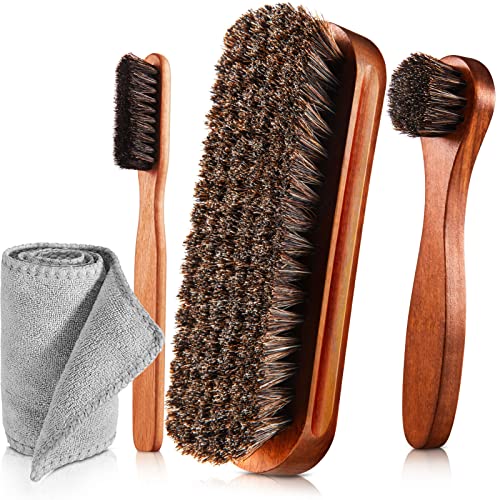
- Ski boot cleaning brush kit (soft bristle brushes for shells and liners)
- Boot dryer for ski boots (low heat, safe for plastics and liners)


Before You Start
Inspect the boots for any cracks or loose parts before cleaning. Remove the liners if possible to clean both shell and liner surfaces. Use gentle cleaners and avoid harsh solvents that can damage plastics. Plan for a 30–60 minute dry time after cleaning, depending on humidity and airflow.
Safety note: do not expose boots to high heat sources. Excessive heat can warp shells and degrade liners. Always follow manufacturer recommendations for cleaning products.
Step-By-Step: How To Clean Ski Boots
- Remove liners and detach any removable footbeds if possible.
- Brush off loose dirt and snow with a ski boot cleaning brush kit, paying attention to crevices and buckles.
- Apply a ski boot cleaner spray to a soft cloth or brush and gently scrub the exterior shell in circular motions.
- Wipe down buckles, straps, and Velcro areas with a damp cloth to remove grime and residue.
- Rinse or wipe away cleaner with a clean microfiber cloth until no suds remain.
- Air dry the shell completely before reinstalling liners; use the boot dryer for ski boots on a low heat setting if available.
- Clean the liners separately using the same cleaner spray, then dry thoroughly before reassembly.
- Inspect moisture levels within the boots after drying; repeat cleaning if odor persists.
- Reassemble the boots and store in a dry, ventilated area away from direct sunlight.
- Maintain a regular cleaning schedule, especially after wet or slushy days.
- Optionally treat the interior with a light odor-control spray designed for athletic footwear after completely dry.
- Document any recurring issues (odor, dampness, or buckle corrosion) to address with maintenance or repairs.
Troubleshooting
| Symptom | Likely Cause | Fix | Prevention |
|---|---|---|---|
| Persistent odor after cleaning | Liners retain moisture | Dry thoroughly; consider conditioner or deodorizing spray | Dry between uses; use boot dryer regularly |
| Shell feels tacky after cleaner | Cleaner residue | Wipe with clean water and dry completely | Rinse promptly after cleaning |
| Buckles seize or corrode | Dirt buildup in joints | Clean joints; lubricate with manufacturer-approved product | Clean after wet sessions; dry thoroughly |
| Liners take too long to dry | Heavy moisture | Improve airflow; separate liners when drying | Store in a dry, ventilated area |
Common Mistakes
- Using abrasive brushes or solvents that damage shells
- Leaving boots wet for extended periods
- Ignoring buckles and strap areas where grime hides
- Overheating boots during drying, which can warp components
Tips For Best Results
- Clean boots soon after returning from slopes to minimize odor formation.
- Use soft brushes designed for plastic and fabric to protect surfaces.
- Keep a small towel in your gear bag for quick wipe-downs after sessions.
- Regularly inspect liners for wear and replace when necessary to maintain fit and comfort.
Call A Professional
Consult a pro if you notice persistent cracking, unusual smells that resist cleaning, or any damage to buckles, shells, or liners. Seek professional maintenance if the boots fail to protect feet or if flex feels abnormal after cleaning.
FAQ
Can I use water to clean ski boots?
Yes, use warm water and a mild cleaner to wipe down surfaces; avoid soaking to protect liners.
How often should I clean my ski boots?
Clean them after wet or muddy days; a light wipe-down after every other use helps prevent buildup.
Is a boot dryer essential?
Not essential, but it speeds up drying and reduces odor risk, especially in humid climates.
Can I machine wash ski boot liners?
Do not machine wash unless the manufacturer approves it; hand-clean and air-dry liners instead.
Buying Guide
When shopping for ski boot care products, consider size, materials, and compatibility with your boots. Look for non-abrasive ski boot cleaner spray formulas that are gentle on plastics and fabrics. A complete ski boot cleaning brush kit should include soft brushes for shells and liners. A dedicated boot dryer for ski boots helps maintain dry interiors and reduces odor buildup.
Key buying factors include size and portability of the kit, noise level of the dryer, energy efficiency, and ease of use. Consider whether you need a compact spray bottle for travel or a larger kit for home use. Evaluate compatibility with your boot materials, especially if your boots include reinforced buckles or delicate liners. Placement options—countertop, closet, or drying cabinet—will influence which dryer model suits your space.
Leave a Reply