How to Clean Shoe Fabric: A Practical Guide for Canvas, Mesh and Suede
Shoe fabric cleaning combines gentle products with proper brushing to maintain color, texture, and longevity. This guide focuses on common fabric materials found in sneakers, including canvas, mesh, and suede accents, and how to choose the right tools for safe, effective cleaning.
Readers will find a step-by-step process, safety tips, and troubleshooting to keep footwear looking fresh with minimal effort and no damage to fabric fibers.
Quick Answer
Use a fabric-safe cleaner, a soft brush or microfiber cloth, and a gentle scrubbing motion. For tougher stains, apply a fabric sneaker cleaner spray and allow to sit briefly before blotting and rinsing. Finish with air drying away from direct heat or sun.
What You’ll Need
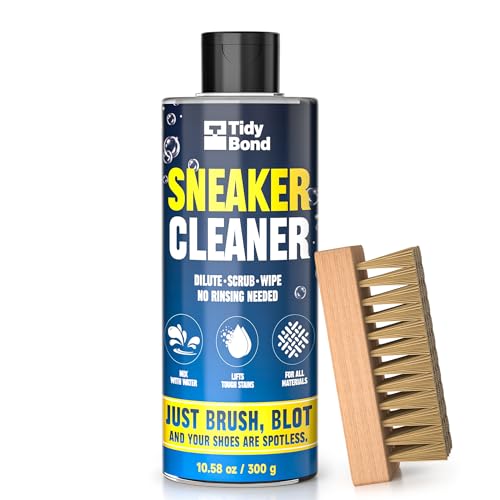
- Canvas and mesh sneaker cleaning kit with soft brush and microfiber towel
- Fabric sneaker cleaner spray for canvas mesh suede shoes
- Electric shoe cleaning brush cordless for sneakers


Before You Start
Inspect footwear for structural issues like loose stitching or sole separation before cleaning. Remove laces and set them aside for separate washing. Test cleaners on a small inconspicuous area to ensure no color bleeding. Work on a clean, dry surface; prepare a shallow basin of warm water and a clean towel for blotting. Time range: 20–40 minutes depending on stain severity. Keep away from direct heat to avoid fabric damage.
Step-By-Step: How To Clean Shoe Fabric
- Remove laces and loosen any debris from the shoe surface with a dry brush.
- Lightly dampen the microfiber towel or soft brush with water, then apply a small amount of fabric sneaker cleaner spray to the bristles or cloth.
- Gently scrub canvas and mesh sections in circular motions, focusing on stained areas without saturating the fabric.
- For suede accents, use a cleaner specifically formulated for suede or a suede-safe brush; avoid over-wetting these areas.
- Wipe away suds with a clean, damp microfiber towel, then repeat as needed until the fabric looks clean.
- Pat shoes dry with a dry towel and remove excess moisture; stuff with paper towels to help shape and speed drying.
- Air dry in a well-ventilated area away from direct sun or heat sources; ensure completely dry before re-lacing and wearing.
- If deeper stains persist, repeat steps with a slightly stronger cleaner or use an electric shoe cleaning brush cordless to improve agitation.
- Reattach laces once the shoes are dry and inspect for any remaining spots; treat as needed with a spot cleaner designed for fabric.
- Store cleaning tools in a dry place and clean brushes after use to extend their lifespan.
- Maintain regular cleaning intervals to prevent buildup and keep fabric colors vibrant.
- For multi-material sneakers, avoid soaking the entire shoe to protect arch supports and inner linings.
Troubleshooting
| Symptom | Likely Cause | Fix | Prevention |
|---|---|---|---|
| Color Bleeding | New shoes or incompatible dye | Test in hidden area; use color-safe cleaner; rinse thoroughly | Color-test before full cleaning |
| Streaks After Cleaning | Excess cleaner or uneven drying | Wipe with damp cloth; blot dry; repeat if needed | Apply cleaner sparingly; ensure even drying |
| Fabric Fraying | Aggressive scrubbing | Switch to softer brush; reduce pressure | Use gentle strokes; preserve fabric fibers |
| Sticky Residue | Too much cleaner or residue from product | Rinse with a clean damp cloth and dry | Follow product instructions |
Common Mistakes
- Over-wetting fabric, especially suede or mesh
- Using harsh brushes on delicate materials
- Cleaning in direct sunlight or near heaters
- Ignoring curing time and cranking up the heat to dry faster
Tips For Best Results
- Test cleaners on a hidden area first to verify colorfastness.
- Use a dedicated soft brush and microfiber towel to protect fabric fibers.
- Keep the water temperature warm, not hot, to avoid setting stains.
- Dry thoroughly before wearing to prevent odor and mold growth.
- Regular maintenance reduces deep stains and extends shoe life.
Call A Professional
Seek professional cleaning if shoes have delicate materials, persistent stains, or if there is potential for color bleeding that could affect matching pairs. Do not attempt aggressive chemical cleaners on vintage or irreplaceable footwear. If the fabric shows significant wear, or if you notice lingering odors after multiple cleanings, contacting a professional cleaner is advised.
FAQ
What’s the safest cleaner for canvas and mesh?
Use a fabric sneaker cleaner spray designed for canvas and mesh and test in a hidden area first.
Can suede be cleaned with the same products?
Suede requires specialty cleaners and brushing tools; avoid waterlogged cleaning on suede surfaces.
Is an electric shoe cleaning brush necessary?
No, but a cordless electric brush can help with tougher stains and faster cleaning on large areas.
How should I dry sneakers after cleaning?
Avoid direct heat; air dry in a shaded, ventilated area and stuff with paper to retain shape.
How often should I clean fabric sneakers?
Light cleaning every few wears and a deeper clean every 2–4 weeks, depending on use and exposure to dirt.
Buying Guide
When choosing cleaning gear for fabric sneakers, consider size and storage space, noise level of any electric tool, energy efficiency, and control options. For multi-material sneakers, look for cleaners and brushes designed for canvas, mesh, and suede. A compact kit with a soft brush, microfiber towel, and spray cleaner provides versatility for most everyday fabrics. Placement matters: store cleaners in a cool, dry cabinet away from sunlight to preserve effectiveness and colorfastness. If buying multiple tools, prioritize a cordless electric brush for convenience, but ensure it includes a gentle setting to protect delicate fabrics. Compare kits by included accessories and surface compatibility to maximize value and results.
Leave a Reply