How to Clean Fish Tank Gravel Effectively
A clean gravel bed is essential for a healthy aquarium. Regular gravel maintenance helps remove detritus, uneaten food, and waste that can foul water quality. This guide walks American hobbyists through a practical, step-by-step process using common gravel cleaning tools to keep freshwater tanks vibrant and safe.
Quick Answer
Use a gravel siphon or vacuum designed for aquariums to remove debris from the substrate while performing a water change. For best results, work slowly, keep the siphon submerged, and monitor oxygen levels and ammonia during the process.
What You’ll Need
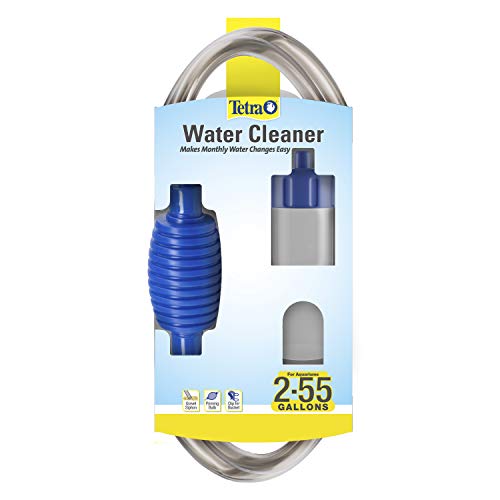
- Aquarium gravel vacuum siphon cleaner with adjustable flow—controls debris suction and helps protect beneficial bacteria
- Aquarium gravel cleaner with hose 1.5m for freshwater tanks—long enough to reach deeper tanks without strain
- Fish tank gravel siphon and water changer kit—integrated tools for cleaning and water replacement


Before You Start
Prepare the tank area by removing decor and covering the tank rim with towels if needed. Check water parameters ahead of the cleaning session: ammonia, nitrite, nitrate, pH, and temperature should remain within acceptable ranges for the inhabitants. Plan for a water change of about 10–25% depending on substrate cleanliness and tank bioload. Never remove all water at once; sudden, large changes can stress fish. Have a refill container ready with treated water matching tank temperature.
Step-By-Step: How To Clean Aquarium Gravel
- Turn off any heaters or filters to reduce turbulence during suction and protect delicate bacteria colonies.
- Gently remove larger decorations to expose substrate for thorough cleaning.
- Attach the aquarium gravel vacuum siphon cleaner with adjustable flow to the siphon and ensure the hose is primed with tank water.
- Place the siphon tip into the gravel at a slight angle and begin gentle suction, moving the wand in slow, circular motions to dislodge trapped debris.
- Aim to vacuum the top 1–2 inches of gravel at a time, repeating across the substrate to avoid creating dead zones.
- Keep the siphon in the water column and watch the dirty water flow into the bucket or waste container; adjust flow as needed to reduce disturbance to fish.
- Periodically test the water during the process. If required, perform small partial water exchanges using the aquarium gravel cleaner with hose 1.5m for freshwater tanks to maintain steady parameters.
- Return decor to the tank, reattach filtration equipment, and resume normal filtration once the substrate looks clean and water clarity improves.
- Recheck water parameters over the next 24–48 hours and observe fish behavior for signs of stress.
- Consider scheduling a regular cleaning routine, typically every 1–2 weeks for weekly maintenance or after notable cucumber or plant debris accumulation.
- Document a maintenance log to track substrate cleanliness and parameter stability over time.
Troubleshooting
| Symptom | Likely Cause | Fix | Prevention |
|---|---|---|---|
| Water becomes cloudy during cleaning | Unturbulent substrate disturbance | Vacuum more slowly; work in small sections | Schedule regular, gradual cleanings |
| Substrate looks uneven after cleaning | Inconsistent suction depth | Keep wand tip near gravel surface and maintain consistent depth | Use a steady, methodical technique |
| Filter starts leaking or loses suction | Hose kink or blocked intake | Unkink hose, clear debris from intake | Check hoses before each session |
| Fish show stress or hiding behavior | Water parameter swings | Test and adjust parameters promptly; perform smaller water changes | Prepare treated water in advance |
| Sand or fine substrate clogs siphon | Fine debris or substrate composition | Switch to a finer intake or rinse substrate periodically | Choose substrate with appropriate grain size for siphon |
Common Mistakes
- Cleaning too aggressively: spooks fish and disrupts beneficial bacteria
- Overloading the filter with debris: requires balancing flow and aeration
- Using unconditioned tap water for refill: risks fish health
- Forgetting to recheck water parameters after cleaning: can mask ongoing issues
Tips For Best Results
- Match water temperature when refilling to avoid thermal shock.
- Maintain a steady hand and avoid rapid, forceful jabs into the substrate.
- Coordinate gravel cleaning with a planned water-change schedule to minimize stress on inhabitants.
- Routinely inspect hoses and connections for wear to prevent leaks or power loss during cleaning.
- Label and store tools to ensure quick setup during the next maintenance session.
Call A Professional
Consider contacting a professional if any of the following occur: persistent cloudy water after multiple cleanings, unexplained drops in fish health, visible tank equipment failure, or recurring chemical imbalances that resist DIY correction.
FAQ
How often should I clean fish tank gravel?
Most hobbyists perform gravel cleaning during routine water changes, typically every 1–2 weeks, adjusted for bioload and substrate type.
Can I use just plain water for cleaning?
Plain water is acceptable for rinsing tools, but use conditioned water for refilling to protect fish health.
Is a 1.5m hose enough for large tanks?
Yes, but longer hoses can offer more reach for very long tanks; ensure adequate flow and control to avoid disturbance.
What if I have a planted tank?
Carefully target the gravel around roots to avoid uprooting plants; use a softer touch and smaller sections.
Should I siphon while filters are running?
It’s generally fine to siphon with filters running, but reduce flow to minimize turbidity and protect fish during the process.
Buying Guide
When selecting gravel cleaning gear, consider size, flexibility, and compatibility with your setup. Key factors include:
- <bSize and fit: Choose a vacuum that suits your tank dimensions and substrate type; a longer hose adds reach for deeper tanks.
- <bNoise and ease of use: Look for models with smooth operation and adjustable flow to minimize disturbance.
- <bEnergy efficiency: Favor simple designs with reliable, low-power pumps for frequent use.
- <bControls: Prefer adjustable flow and easy-to-clean components for quick maintenance.
- <bPlacement: Ensure the unit stores compactly and remains accessible for routine work.
For freshwater tanks, matching the tools to your substrate (gravel size and type) helps prevent over-suction or clogging. If you plan frequent cleanings, a kit that combines a siphon, water changer, and hose is convenient. Always verify compatibility with your tank dimensions and filtration setup to ensure a seamless cleaning experience.
Leave a Reply