How to Clean Seat Cushions
Seat cushions accumulate dirt, spills, and odors from daily use. A clean, fresh cushion enhances comfort and extends the life of fabrics in living rooms, dining areas, and office spaces. This guide provides practical steps using common cleaning tools and safe techniques for fabric upholstery.
Readers will find a structured approach that covers prep, cleaning methods, and maintenance tips. The goal is to remove stains and refresh cushions without over-wetting or damaging fibers.
Quick Answer
For a fast refresh, start with a fabric upholstery cleaner spray to spot-treat stains, then use a handheld steam cleaner to lift dirt from the surface. For stubborn marks, apply a stain remover and blot with a clean cloth. Always test a small hidden area first and allow cushions to dry completely before use.
What You’ll Need
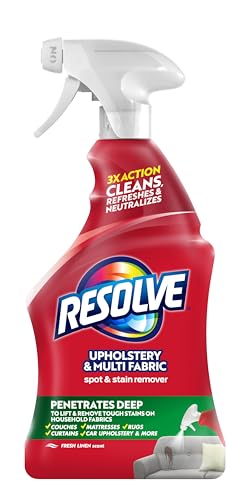
- Fabric upholstery cleaner spray for seat cushions
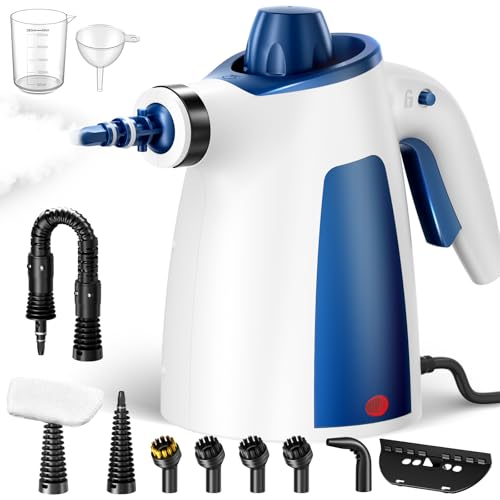
- Handheld steam cleaner for upholstery cushions
- Stain remover for fabric cushions and furniture
- Clean white cloths or soft microfiber towels
- Soft brush or upholstery brush
- Vacuum with attachment
- Water and mild detergent (if using DIY solution)
Before You Start
Preparation is essential to protect cushions and surrounding furniture. Move cushions to a well-ventilated area and remove covers if possible. Check fabric care labels for any restrictions or special instructions. Do a patch test on an inconspicuous corner to ensure colorfastness. Expect total process time to vary; plan for 1–3 hours including drying time. Safety note: avoid saturating cushions, which can lead to mold or fiber distortion. Never mix cleaning chemicals that may release fumes or react adversely with fabric dyes.
Step-By-Step: How To Clean Seat Cushions
- Remove loose debris by vacuuming the cushion surface and seams with a brush attachment to lift dust and hair.
- Address stains with a targeted approach: apply stain remover for fabric cushions and furniture directly to spots and blot—do not scrub aggressively, which can push stains deeper.
- Lightly mist the cushion with a compatible fabric upholstery cleaner spray for seat cushions following the product’s directions; use a clean cloth to work the solution into the fibers in a circular motion.
- For deeper cleaning, use a handheld steam cleaner for upholstery cushions to lift embedded dirt. Move slowly to allow the steam to penetrate while avoiding over-wetting the fabric.
- Rinse any soap residue by wiping with a clean, damp cloth. Repeat as needed until the cloth comes away clear.
- Blot excess moisture with dry towels and press gently to absorb liquid from the cushion core. Do not squeeze the foam aggressively, which can cause deformation.
- Allow cushions to air dry completely in a well-ventilated area. If possible, prop cushions to promote airflow and speed up drying. Avoid direct sun for extended periods, which can fade fabrics.
- Once dry, vacuum lightly again to lift the nap and restore texture. Optional: fluff cushions to even out filling and reshape the edges.
Troubleshooting
| Symptom | Likely Cause | Fix | Prevention |
|---|---|---|---|
| Stains reappear after cleaning | Deep-set or old stains | Apply stain remover, repeat gently, and consider professional cleaning for persistent marks | Treat stains promptly; use fabric protector after cleaning |
| Fabric stiff after cleaning | Excess detergent or improper rinsing | Wipe with a damp cloth to remove residue and dry thoroughly | Rinse thoroughly during cleaning; test cleansers first |
| Foam or cushion core smells musty | Moisture retained in padding | Increase ventilation, use fans, and ensure complete drying | Limit saturation; blot and dry promptly |
| Color fading or bleeding | Incompatible cleaners or dye issues | Stop cleaning; test a hidden area; consult fabric care label | Use products designed for the fabric type |
Common Mistakes
- Over-wetting cushions, which slows drying and risks mold
- Using bleach or harsh solvents on colored fabrics
- Scrubbing vigorously, causing pile distortion or fiber damage
- Ignoring fabric care labels, leading to dye bleed or texture changes
Tips For Best Results
- Always test cleaning products on a hidden corner of the cushion first.
- Work in a well-ventilated area to speed up drying and reduce odor buildup.
- Use a clean cloth for blotting to prevent re-depositing dirt.
- Spacing sessions to clean cushions at regular intervals helps prevent heavy soiling.
Call A Professional
Consider professional upholstery cleaning if cushions have delicate fabrics, persistent stains, or strong odors that resist DIY methods. Stop and seek help if you notice dye transfer, shrinking fabric, or foam deterioration after cleaning. In cases of wetness that persists beyond 24 hours, professional drying and moisture control may be necessary to prevent mold growth.
FAQ
Can I clean seat cushions without removing the covers?
Yes, many fabric cushions can be cleaned with spot treatments and mild cleaners while the covers stay in place. Always follow the fabric care label and test first.
What’s the best method for pet stain cleanup?
Use a pet-safe stain remover and a handheld steamer to lift fur and odors. Blot excess moisture and dry thoroughly to prevent odors.
How do I know if a cushion is colorfast?
Perform a patch test on a hidden area with your chosen cleaner. If there is no color transfer after a few minutes, the fabric is likely colorfast.
How long should cushions dry after cleaning?
Drying times vary by fabric and climate, but plan for at least 2–6 hours in a warm, ventilated space. Some cushions may take longer.
Buying Guide
Choosing the right approach and tools for cleaning seat cushions depends on fabric type, level of soiling, and drying conditions. Below are key buying factors to consider to optimize results and protect upholstery.
Size and Fit
Measure cushion dimensions and depth to select compatible cleaners and tools. Handheld steam cleaners vary in nozzle width and tank capacity; ensure they fit the cushion geometry you have at home.
Noise Level
Steam cleaners and vacuum attachments produce varying noise levels. If noise is a concern in living spaces, look for models marketed as quiet or with adjustable speeds to reduce disruption during daytime cleaning.
Energy Efficiency
Choose devices with efficient motors and heat generation controls. Energy-efficient options reduce running costs and minimize heat buildup in enclosed areas during cleaning sessions.
Controls and Usability
Opt for user-friendly controls, clear instructions, and easy-access tanks for cleaners. Removable reservoirs and simple spray triggers speed up tasks and reduce the risk of over-wetting.
Placement and Storage
Consider how you store cleaners and whether you have space near the sofa or cushions. Compact, upright designs with hoses and attachments organized in a single case save space and simplify access during cleaning sessions.
Leave a Reply