How to Clean Samsung Watch Band
Keeping a Samsung Galaxy Watch band clean helps extend its life and keeps wearables looking their best. This guide provides practical, step-by-step methods using common tools and the recommended cleaning kit options to suit silicone, leather, or metal bands.
Whether you wear a silicone sport band or a metal bracelet, a targeted cleaning routine can remove sweat, oils, and grime without damaging the band or the watch itself.
Quick Answer
Best quick method: rinse with warm water, use a soft brush for stubborn grime, then dry thoroughly. For deeper cleaning, use a dedicated watch band cleaning kit or an ultrasonic cleaner designed for jewelry or smartwatch bands.
What You’ll Need
- Watch band cleaning kit for Samsung Galaxy Watch silicone leather metal
- Soft bristle watch band cleaning brush smartwatch
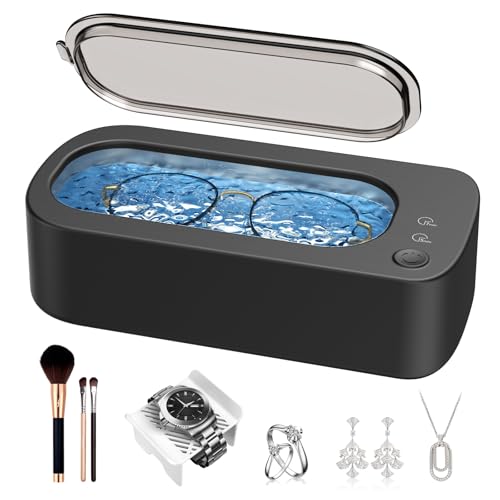
- Ultrasonic jewelry cleaner for smartwatch band Samsung Galaxy Watch

Before You Start
Inspect the band for wear, cracks, or exposed pins before cleaning. Remove the band from the watch if possible to minimize moisture exposure to the watch case. Avoid using harsh chemicals, bleach, or abrasive tools, which can damage materials. For leather bands, excessive moisture can cause staining or stiffness. Plan a cleaning time of about 10–20 minutes per session to prevent overexposure.
Step-By-Step: How To Clean Samsung Watch Band
- Detach the band from the Galaxy Watch and lay it on a soft, clean surface.
- For silicone and metal bands, rinse under lukewarm running water to loosen surface grime.
- Apply a small amount of mild soap or a dedicated watch band cleaning solution to the soft bristle brush.
- Gently scrub the band in a back-and-forth motion, paying attention to crevices, lug areas, and clasps.
- Rinse the band thoroughly under running water to remove soap residue.
- Pat dry with a clean microfiber cloth and let air dry completely before reattaching to the watch.
- For leather bands, wipe with a damp cloth and avoid soaking; apply a leather conditioner after completely dry if recommended by the manufacturer.
- If using an ultrasonic cleaner, place the band in a mesh bag, select a gentle cycle with low heat, and monitor closely for 2–3 minutes.
- Inspect for remaining grime and repeat the gentle cleaning if necessary, then reattach to the watch once fully dry.
- Store the cleaned band in a cool, dry place away from direct sunlight to prevent material degradation.
- Test the watch’s water resistance after reassembly by avoiding submersion during first use.
Troubleshooting
| Symptom | Likely Cause | Fix | Prevention |
|---|---|---|---|
| Band still sticky after cleaning | Soap residue or oils | Rinse thoroughly and re-clean with fresh soap solution | Use minimal soap and mild cleaners |
| Leather band shows discoloration | Moisture exposure | Wipe dry immediately; condition if recommended | Limit water contact; use leather-friendly products |
| Metal band tarnish or dulling | Harsh cleaners | Switch to a metal-safe cleaner or plain water | Avoid abrasive pads |
| Band reek after cleaning | Residual moisture in crevices | Dry thoroughly; use a fan or dehumidifier | Dry fully before reattaching |
Common Mistakes
- Using hot water or dishwasher detergents that can warp or color bands.
- Soaking leather bands for too long, which can cause cracking or odor retention.
- Scrubbing with rough brushes that scratch metal or scrape leather texture.
- Neglecting thorough drying, leading to mold or rust in metal clasps.
Tips For Best Results
- Dust and sweat accumulate most in the band’s inner surface; clean both sides for best results.
- Use a dedicated watch band cleaning kit for compatibility with silicone, leather, and metal bands.
- Schedule a routine clean every 1–2 weeks if you wear the device daily in sweaty or dusty environments.
- Store bands separately from the watch head to avoid corner wear on the case back.
- For stubborn grime, repeat the cleaning cycle with a fresh solution rather than forcing extra scrubbing.
Call A Professional
Stop and seek professional help if the band is heavily worn, cracked, or if cleaning affects its fit or color. Signs to consult a pro include:
- Visible cracking or peeling in silicone or leather materials
- Corrosion around metal clasps or pins
- Persistent odor or staining after multiple cleanings
- Uncertainty about compatibility with ultrasonic cleaners for your specific band type
FAQ
Can I clean my Samsung watch band with soap and water?
Yes, a mild soap and lukewarm water routine works for most bands, especially silicone. Exercise caution with leather and avoid soaking.
Is an ultrasonic cleaner safe for all watch bands?
Ultrasonic cleaners are effective for metal and some silicone bands, but they can damage leather or delicate finishes. Use manufacturer guidance and a gentle setting.
How often should I clean my Samsung watch band?
In daily use, aiming for a biweekly or weekly clean is practical, with more frequent cleaning during hot, sweaty, or dusty conditions.
Should I dry the band completely before reattaching it?
Yes, completely dry bands prevent moisture from reaching the watch case and reduce odor risk.
Can I conditioner leather bands after cleaning?
Only if the band’s care instructions allow it; use a conditioner designed for leather and test on a small area first.
What if the band color fades after cleaning?
Color fade can occur with aggressive products or sunlight exposure; consult the manufacturer for appropriate cleaning products.
My band smells despite cleaning. What now?
Deep clean with a fresh solution and ensure complete drying; consider a deodorizing wipe designed for wearable bands.
Buying Guide
When selecting a replacement or spare band, consider size, material, and compatibility with the Samsung Galaxy Watch. Here are key factors to compare:
- Size and fit: Measure your wrist and the watch lug width to ensure proper attachment and comfort.
- Material: Silicone is durable and water-friendly; leather offers a dressier look but requires moisture care; metal bands provide a premium feel but may be heavier.
- Noise and finish: Metal bracelets may have subtle rattling or finish wear; look for smooth clasps and durable coatings.
- Energy and maintenance: Some bands resist staining better and require less frequent cleaning; consider how often you’ll clean and care for material.
- Controls and compatibility: Ensure the band uses standard widths and that quick-release pins are included for easy swapping.
- Placement and use case: Athletes may prefer silicone; professionals may choose leather or metal; consider your daily activities and environmental exposure.
- Cleaning compatibility: If you plan regular cleaning with an ultrasonic cleaner, verify that the band material supports it.
Leave a Reply