How to Clean a Goldfish Tank for Beginners
Caring for a goldfish starts with simple, regular tank maintenance. A clean tank supports healthy gas exchange, clear water, and vibrant fish. This guide walks beginners through practical steps to keep a 20-gallon goldfish setup clean and safe, using common tools and easy-to-follow routines.
Whether you are setting up a new tank or maintaining an established one, a calm, methodical approach reduces stress for fish and makes upkeep faster over time. The focus is on practical practices that work with typical home setups and common beginner questions.
Quick Answer
Goal: Maintain stable water quality by regular water changes, mechanical filtration, and routine testing. Use a gravel vacuum to clean substrate, a magnetic scraper for glass, and a basic liquid test kit to monitor ammonia, pH, nitrite, and nitrate. Perform partial water changes of about 20–40% weekly, avoid overfeeding, and keep the filter media in good condition.
What You’ll Need
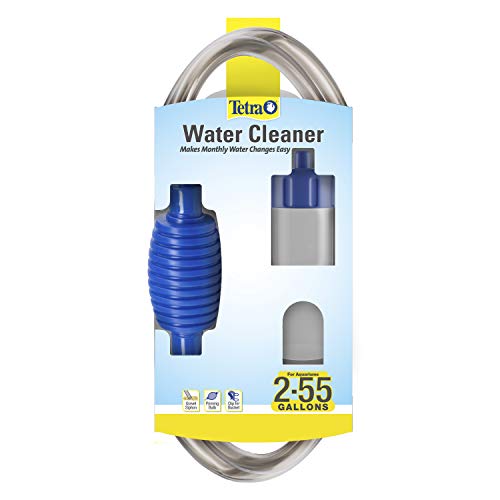
- Gravel vacuum siphon for freshwater aquarium goldfish tank 20 gallon
- Magnetic algae scraper for glass aquarium with extendable handle
- Liquid aquarium test kit freshwater ammonia pH nitrite nitrate for beginners


Before You Start
Assess the tank setup before beginning. Ensure the heater and filter are running, and unplug any electrical equipment when handling water. Prepare a clean bucket dedicated to the aquarium, and have towels on hand for spills. Time estimates: a typical 20-gallon clean takes 30–60 minutes. Avoid rapid temperature changes as they stress goldfish. Handle decorations gently to prevent injuries for residents.
Step-By-Step: How To Clean A Goldfish Tank
- Turn off equipment and remove any debris floating in the water using a net. This reduces agitation and makes suction easier with the gravel vacuum.
- Prepare the gravel vacuum siphon for freshwater aquarium and place the other end into a bucket. Start siphoning by suction or by the usual priming method, depending on the model.
- Gently insert the siphon into the substrate and slowly move it across the gravel to loosen uneaten food and waste. Stop when the water level drops to a safe point to avoid stress for the fish.
- Remove 20–40% of the tank water, depending on recent feeding and test results. Replace with dechlorinated, temperature-matched water.
- While water is being changed, use the magnetic algae scraper to clean the interior glass surfaces. Work from top to bottom to minimize re-suspension of debris.
- Check substrate and decorative items for visible waste, and rinse them briefly in the bucket if needed. Do not use soap or household cleaners; they can leave harmful residues.
- Run the filter during the partial water change if it was temporarily paused. After refilling, ensure all equipment is functioning and not creating strong currents that stress the goldfish.
- Test the water using the liquid aquarium test kit for ammonia, pH, nitrite, and nitrate to confirm parameters are within safe ranges for goldfish. Record readings to track changes over time.
- Observe the fish for a short period after the water change. Look for normal activity, steady respiration, and clear coloration. Address any unusual behavior promptly.
- Maintain a weekly routine: partial water changes, substrate cleaning, and surface algae checks. Adjust frequency if tests show persistent deviations.
- Review feeding habits to minimize waste. Offer small portions and remove uneaten food after a few minutes to prevent rotting in the substrate.
Troubleshooting
| Symptom | Likely Cause | Fix | Prevention |
|---|---|---|---|
| Cloudy water | Overfeeding or accumulating waste | Reduce feeding, perform a thorough but gentle water change, check filter | Feed in small amounts, test water weekly |
| Ammonia spikes | Uneaten food and decaying debris | Siphon substrate, clean filter media, increase water changes | Feed sparingly, maintain substrate cleanliness |
| Green water or algae bloom | Too much light or nutrient buildup | Limit light exposure, clean glass, reduce feeding | Use a timer for lighting, regulate nutrients |
| Fish gasping at surface | Low oxygen or high ammonia | Increase aeration, test for ammonia, perform water changes | Regular water tests, avoid overstocking |
Common Mistakes
- Overfeeding leading to excess waste
- Using tap water without treatment, causing chlorine/chloramine stress
- Cleaning all filter media at once, removing beneficial bacteria
- Rushing water changes and exposing fish to rapid temperature shifts
- Neglecting regular substrate cleaning and glass maintenance
Implement small, consistent steps rather than large, infrequent efforts to keep a goldfish tank healthy.
Tips For Best Results
- Establish a predictable weekly routine combining substrate cleaning, glass cleaning, and water testing.
- Use a dechlorinator when replacing tank water to protect fish and beneficial bacteria. Warm the new water to match tank temperature before adding.
- Stagger feeding and observe fish behavior to catch early signs of stress or illness.
- Keep testing supplies accessible and track readings in a notebook or digital log.
Call A Professional
Consider contacting a professional if you notice persistent symptoms such as extreme lethargy, white spots, sustained rapid breathing, or sudden die-offs despite proper maintenance. Seek urgent help if water parameters exceed safe limits or if decorative changes introduce potential hazards. Do not attempt aggressive chemical treatments without guidance.
FAQ
How often should I clean a goldfish tank?
Perform a partial water change and substrate cleaning weekly, plus glass cleaning as needed. Test water at least weekly to adjust the schedule.
Can I use tap water for my goldfish tank?
Only after treating it to remove chlorine and chloramines; use a dechlorinator and match the temperature to the tank.
What size tank is best for goldfish?
Goldfish require ample space; a 20-gallon setup per fish is a common starting point, with larger volumes improving stability.
What should I do if ammonia is high?
Increase water changes, rinse substrate if needed, and verify filter operation. Ensure there is not overfeeding contributing to the problem.
Why is my glass covered in algae?
Algae growth is often light or nutrient-related. Reduce light duration, clean the glass, and ensure balanced feeding and filtration.
Is it safe to use cleaning products near the tank?
No. Only aquarium-safe tools and water-based cleaners specific for aquariums should be used; never use household detergents inside or near the tank.
Buying Guide
When choosing gear to support cleaning a goldfish tank, consider size, durability, and compatibility with your setup:
- <bTank size and compatibility: A 20-gallon tank requires tools designed for medium-sized systems. Ensure the gravel vacuum and scraper are suitable for the glass thickness and substrate type.
- <bGravel vacuum efficiency: Look for a siphon with adjustable flow and a functional filter screen to prevent debris from returning.
- <bAlgae scraper type: Magnetic scrapers with extendable handles reduce reach problems and minimize water disturbance.
- <bWater testing: A liquid test kit that covers ammonia, pH, nitrite, and nitrate helps beginners track water quality without guessing.
- <bMaintenance schedule: Choose tools that make weekly cleaning quick and predictable so adherence is easier.
Other considerations include noise levels, ease of disassembly for cleaning, and availability of replacement parts. If unsure, start with a basic kit that includes a gravel vacuum, a magnetic scraper, and a beginner test kit, then expand as needed.
Leave a Reply