How to Clean Riding Boots for Shine and Longevity
Riding boots stand up to daily wear, weather, and grit from tack rooms. Proper cleaning not only extends their life but also keeps them looking professional in any riding environment. This guide walks American riders through a practical, step-by-step approach using common boot care products.
Quick Answer
Clean riding boots regularly after rides to remove dirt and sweat. Use a saddle soap or leather boot care kit with a brush and microfiber cloth for best results, followed by a leather conditioner to restore suppleness and shine.
A Quick List Of What You’ll Need
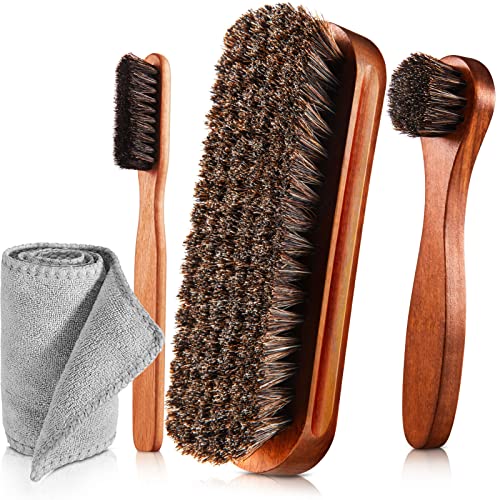
- saddle soap boot cleaning kit with brush microfiber cloth
- stiff bristle boot cleaning brush for riding boots leather conditioner
- leather boot care kit riding boots polisher conditioner


Before You Start
Prepare a clean, dry workspace away from direct heat. Test any product on a hidden area of the boot first to ensure no color transfer or finish damage. Time estimate: 20–40 minutes for a full cleanup and conditioning session. Avoid soaking leather and never use harsh solvents on delicate finishes.
Step-By-Step: How To Clean Riding Boots
- Remove dirt with a stiff bristle boot cleaning brush for riding boots leather conditioner. Brush in short, even strokes to lift soil from seams and stitching.
- Wipe surfaces with a damp microfiber cloth to lift remaining dust. Avoid soaking the leather; use a lightly damp cloth for best control.
- Apply a small amount of saddle soap boot cleaning kit with brush microfiber cloth to a soft cloth. Work into the grain of the leather in circular motions, focusing on stubborn spots.
- Wipe away excess soap with a clean, damp cloth. Ensure all residue is removed to prevent film buildup.
- Condition the leather with leather boot care kit riding boots polisher conditioner. Apply evenly and allow it to absorb for several minutes.
- Buff to shine with a clean microfiber cloth. For deeper gloss, use a second pass with a dry cloth and light pressure.
- Clean the soles and heels separately using the stiff brush to remove mud and debris. If necessary, wipe with a damp cloth.
- Inspect seams and eyelets. If any cracking or loosening is visible, consider a professional repair to prevent further damage.
Troubleshooting
| Symptom | Likely Cause | Fix | Prevention |
|---|---|---|---|
| Soap residue feels slick | Over-application of cleaner | Wipe with a damp cloth and let dry; repeat if necessary | Use small amounts and test first |
| Finish dull after conditioning | Over-conditioning or improper product | Buff with a microfiber cloth; apply lighter coat next time | Follow product directions |
| Stains remain in color or scuffs | Deep leather stains or worn finish | Spot-clean with appropriate cleaner or consult a pro | Clean promptly after riding in damp conditions |
| Leather cracks near sole | Drying or age damage | Apply conditioner and seek professional repair if needed | Regular conditioning and storage away from heat |
Common Mistakes
- Using household detergents that strip natural oils from leather
- Over-wetting boots, which can damage glue joints
- Skipping conditioning, leading to stiff, brittle leather
- Neglecting the interior footbed and lining, which can harbor odors
Tips For Best Results
- Clean boots soon after riding to prevent sweat and dirt from setting in
- Use a brush designed for leather and keep brushes dedicated to boot care to avoid cross-contamination
- Condition periodically based on use and climate; winter riding requires more frequent conditioning
- Store boots upright or stuffed with soft paper to maintain shape
- Polish if you want a high-gloss finish, but keep coats thin to avoid buildup
Call A Professional
Consider a professional cobbler or boot technician if there are deep creases, professional-grade finishes, or leather repairs needed. Stop and seek help immediately if you notice cracking that worsens over time, water damage, or sole separation.
FAQ
What is the best cleaner for riding boots?
Use a dedicated saddle soap or leather boot cleaning kit that includes a brush and microfiber cloth to lift dirt without stripping oils.
How often should I condition riding boots?
Condition them every few weeks during active use and more often in dry climates or during winter to maintain suppleness.
Can I use water to clean leather boots?
Light dampening is fine, but avoid soaking as excessive water can damage glue and leather.
Should I polish my boots after cleaning?
Polishing is optional for leather boots; it enhances shine and provides a protective layer when used with a conditioner.
How do I remove salt stains from winter riding boots?
Wipe with a damp cloth and light soap, then condition. For stubborn salt marks, a specialized cleaner may help.
What if the stitching appears loose?
Consult a professional cobbler for repair to prevent further damage.
Are there alternatives to leather conditioners?
Some boot care kits include conditioners, polishes, and protective finishes; follow product instructions for best results.
Buying Guide
When shopping for boot care products, consider size and compatibility with your leather type, the level of care you need, and your storage setup. Focus on three factors:
- Size and kit contents: A complete saddle soap boot cleaning kit with brush microfiber cloth or a leather boot care kit riding boots polisher conditioner should include brushes and applicators that fit your boot style.
- Noise level and residue: Choose cleaners and conditioners that leave a light, non-greasy finish and are easy to wipe off to avoid odor and buildup.
- Controls and application: Look for soft brushes and microfiber cloths to ensure gentle cleaning without scratching leather seams.
Energy efficiency isn’t a concern for boot care, but consistency and ease of use matter. Consider how quickly you can complete a cleaning cycle, how easily products layer, and how well they work with your boot material. For placement, store products in a cool, dry cabinet away from direct sunlight to preserve oils and finishes. If you ride in varied conditions, choose versatile products that work on different leather finishes and care needs.
Leave a Reply