How to Clean a Rattan Rug Easily and Safely
Rattan rugs bring natural texture and warmth to living spaces, but their natural fibers can be sensitive to moisture and heavy scrubbing. This guide covers practical, American-friendly steps to clean a rattan rug effectively without damaging its weave or color.
With the right tools and techniques, routine maintenance stays quick, preserving the rug’s beauty for years to come.
Quick Answer
Best overall approach: remove surface dust, gentle spot clean with a microfiber brush, then use a light vacuum and optional steam cleaning for deeper cleaning of natural fibers. Always air dry completely to prevent mold.
What You’ll Need
- Rattan rug cleaning brush set with microfiber bristles
- Handheld vacuum with upholstery tool for delicate rug
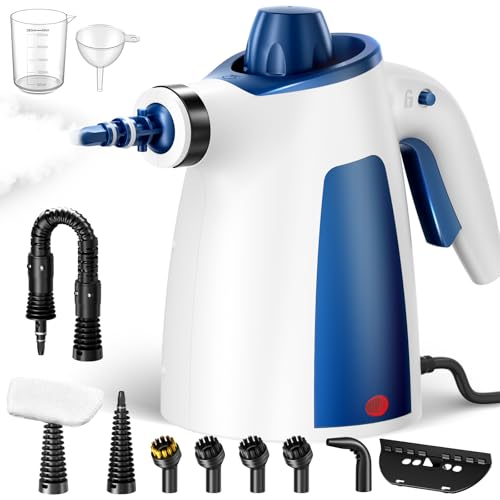
- Handheld steam cleaner for natural fiber rugs


Before You Start
Before cleaning, assess the rug’s construction and any care labels. Delicate weaves may snag on stiff brushes, so choose soft tools and avoid excessive moisture. Plan a cleaning session in a dry, well-ventilated area and allow plenty of time for air drying. Do not soak the rug; moisture can damage the backing and warp the fibers. Test any cleaner on a small, inconspicuous area first to ensure colorfastness.
Step-By-Step: How To Clean A Rattan Rug
- Remove loose dirt with the handheld vacuum using the upholstery tool, working in the direction of the weave.
- Lightly brush the surface with the rattan rug cleaning brush set to lift embedded dust without fraying fibers.
- For stains, mix a small amount of mild detergent with cool water and dab with a clean cloth, never saturating the weave.
- Gently blot additional damp spots with a dry towel to absorb excess moisture.
- Use the vacuum again to lift any remaining debris after spot cleaning.
- If deeper cleaning is needed, use a handheld steam cleaner on a low setting and test a hidden area first. Steam briefly and avoid soaking.
- Carry the rug outdoors or near a window to air dry completely, flipping occasionally to ensure even drying.
- Inspect the rug once dry and remove any remaining dust with a quick brush-up along the weave lines.
Troubleshooting
| Symptom | Likely Cause | Fix | Prevention |
|---|---|---|---|
| Stiff or oily odor | Moisture left in fibers | Air dry thoroughly; use light brushing | Avoid over-wetting; increase air flow |
| Color transfer to cloth | Improper mild cleaner used | Rinse area with clean water and blot; re-test with a small area | Always test on hidden spot first |
| Weave snagging | Rough brushing | Switch to softer brushing and minimal agitation | Use microfiber bristles only |
| Persistent damp patches | Poor ventilation | Move rug to breezy area; use a fan | Plan cleaning on dry days |
Common Mistakes To Avoid
- Over-wetting the rug, which can warp or cause mold
- Using harsh brushes that snag natural fibers
- Rubbing stains aggressively, leading to fiber damage
- Skipping a thorough drying period before use
Tips For Best Results
- Brush in the direction of the weave to maintain the rug’s texture
- Regular light cleaning reduces the need for deep cleaning
- Rotate the rug occasionally to even wear and fading
- Keep cleaning tools clean to prevent re-depositing dirt
Call A Professional
Consider professional help if the rug has significant staining, persistent odors, or signs of mold. Seek urgent assistance if moisture has seeped into the backing or if gorgeous shading is fading unevenly. When in doubt, a pro can safely assess fiber integrity and provide specialized cleaning.
FAQ
Can I use a standard vacuum on a rattan rug?
Yes, with a gentle setting and the upholstery tool to avoid snagging the fibers.
Is steam cleaning safe for natural fiber rugs?
Light steam can be safe on some natural fibers; always test first and use the lowest heat setting.
How long should a rattan rug dry after cleaning?
Most rugs take several hours to fully dry; ensure no trapped moisture by warming air flow or drying outdoors on a dry day.
What if the rug has color bleeding?
Rinse the cleaned area with clean water and blot; if color persists, avoid further cleaning to prevent damage.
Buying Guide
When choosing a cleaning routine or tools for a rattan rug, consider size, weave tightness, and backing quality. A well-fitting cleaning brush with soft microfiber bristles protects delicate fibers while lifting dust. A handheld vacuum with an upholstery tool helps reach tight corners without harsh agitation. A handheld steam cleaner, used sparingly on low heat, can tackle deeper soiling without soaking the rug. Placement matters: keep rattan rugs away from high humidity and direct sunlight to reduce warping and fading. Noise level, energy efficiency, and ease of use are practical factors for home cleaning gear, especially in small living spaces.
Leave a Reply