How to Clean Granite Stone Surfaces
Granite is a durable, stylish option for kitchens and bathrooms, but it requires proper care to maintain its luster. This guide provides practical steps to clean granite stone safely, protect its sealer, and extend its lifespan with common household products and the right tools.
Readers will learn how to choose the right cleaner, apply a granite sealer when needed, and avoid common mistakes that can dull or damage natural stone surfaces. The approach emphasizes simple routines that fit American households and busy schedules.
Quick Answer
Use a dedicated granite countertop cleaner spray for routine cleaning, followed by a microfiber cloth to dry and buff. Re-seal granite every 1–3 years or as recommended by the sealer’s instructions to protect against stains and moisture.
What You’ll Need
- Granite countertop cleaner spray 24 oz — a gentle, pH-balanced cleaner designed for granite.
- Granite sealer with application pad kit — helps repel stains and maintain surface integrity.
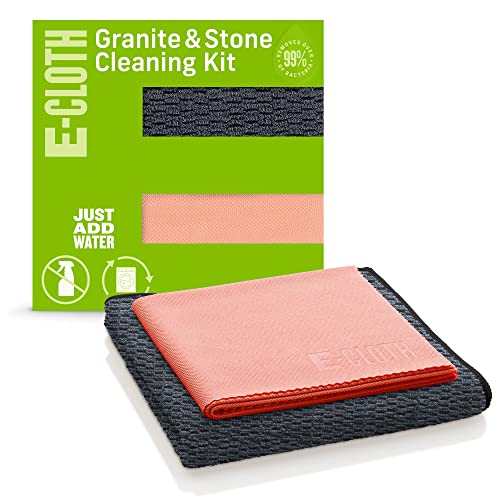
- Microfiber cleaning cloth for granite countertops — lint-free and safe for stone surfaces.


Before You Start
Prepare a clean workspace and remove any debris or loose particles from the counter. For surfaces with spills, blot gently rather than wipe to prevent spreading stains. Always test cleaners on a small, inconspicuous area first to confirm there is no adverse reaction with the stone. Allow the surface to dry completely before applying a sealer, if needed.
Time estimate: 15–30 minutes for a standard cleaning session. Re-sealing, if applied, may take longer due to drying and curing times as specified by the product instructions.
Step-By-Step: How To Clean Granite Stone Surfaces
- Remove loose particles with a soft, dry microfiber cloth to avoid scratching the surface.
- Apply a granite countertop cleaner spray 24 oz in a light mist over a small area at a time.
- Wipe with a clean microfiber cloth in gentle, circular motions to lift dirt without abrading the stone.
- For stuck-on spots, apply a bit more cleaner and let it sit for a minute before wiping away.
- Rinse by wiping with a cloth dampened with water to remove any residue from cleaner, if the cleaner’s label recommends it.
- Dry the surface thoroughly with a dry microfiber cloth to prevent water spots and maintain shine.
- Inspect for any dull spots or residues. If you notice staining, consider re-sealing after cleaning as needed.
- If you plan to re-seal, follow the granite sealer with application pad kit directions for preparation, application, and cure time.
- Apply the sealer evenly using the provided pad, covering all exposed areas, then wipe off any excess per the kit’s instructions.
- Allow the seal to cure fully before placing items back on the countertop. Avoid standing water during curing.
- Schedule regular maintenance cleanings and reseal when water no longer beads on the surface or as recommended by the sealer’s guidelines.
Troubleshooting
| Symptom | Likely Cause | Fix | Prevention |
|---|---|---|---|
| Milky haze after cleaning | Water or cleaner residue | Wipe with a damp cloth, then dry completely | Rinse surfaces as directed by cleaner’s label |
| Staining after spills | Delayed cleaning, acidic or oil-based spills | Clean promptly with granite cleaner; use a sealer if needed | Wipe up spills quickly; use coasters |
| Water not beading after sealing | Seal is worn or was not applied evenly | Reapply sealer following kit instructions | Apply thin, even coats and cure per instructions |
| Scratches or dull areas | Abrasive cleaners or rough cloth | Switch to a soft cloth and non-abrasive cleaner | Use only microfiber and stone-safe products |
Common Mistakes
- Using abrasive cleaners or scouring pads on granite.
- Over-wetting the surface or letting liquids pool in seams.
- Neglecting to dry the countertop after cleaning, which can invite mineral deposits.
- Skipping a test patch before applying new cleaners or sealers.
Tips For Best Results
- Develop a routine: gentle wipe with granite cleaner after heavy-use days, followed by drying.
- Keep a dedicated microfiber cloth for granite to avoid cross-contamination with other surfaces.
- Seal granite every 1–3 years or as recommended by the sealer’s guidelines to sustain stain resistance.
- Place mats under hot cookware and use trivets to reduce thermal shock and heat damage.
Call A Professional
Consider professional help if there are persistent stains, extensive etching, or uncertain sealing needs. Stop signs to contact a pro include extensive cracks, uneven sealing results, or if the stone appears severely etched.
FAQ
Can I use dish soap on granite surfaces?
Dish soap is generally not recommended for routine granite cleaning; use a dedicated granite cleaner for best results.
How often should I reseal granite countertops?
Most granite countertops benefit from resealing every 1–3 years, depending on usage and the sealer’s guidelines.
Is steam cleaning safe for granite?
Steam can potentially damage some sealers or affect grout; avoid using high-heat steam directly on granite unless the product instructions allow it.
What should I do about spills from acidic foods?
Wipe up acidic spills promptly with a granite-safe cleaner; rinse and dry to prevent mineral staining.
Do all granite cleaners work the same?
No—choose cleaners formulated for granite to maintain finish and sealer integrity.
When should I test a cleaner?
Test any cleaner on a hidden area before applying widely to prevent surface discoloration or damage.
Buying Guide
When selecting granite cleaning products, consider size, compatibility, and ease of use. A 24 oz granite countertop cleaner spray is convenient for daily maintenance, while a granite sealer with an application pad kit provides a complete solution for protecting the surface over time. Look for pH-balanced formulas that are labeled safe for natural stone, and choose microfiber cloths designed for granite to minimize scratching. Noise level and energy use are typically not concerns with these manual cleaning tools, but you may want to select kits with simple, no-muss instructions and quick-dry options. Finally, evaluate your cabinet and countertop layout to ensure the products you buy fit your kitchen or bathroom workflow and storage space. Consider whether you prefer a spray cleaner for quick touch-ups or a dedicated sealer when you notice water no longer beads on the surface. A practical approach blends routine cleaning with periodic sealing for durable, long-lasting granite beauty.
Leave a Reply