How to Clean Polyester Safely and Effectively
Polyester is a popular fabric thanks to its durability and easy care. This guide provides practical, step-by-step methods to remove stains, refresh fabrics, and keep polyester garments looking their best without damage.
Quick Answer
To clean polyester, start with gentle treatments and test on a hidden area. Use a stain remover spray for polyester fabric for tough spots, then launder in warm water with a mild detergent. A garment steamer can refresh wrinkled polyester, and a lint roller helps remove surface debris. Dry on a low heat setting or air dry to protect fibers.
What You’ll Need
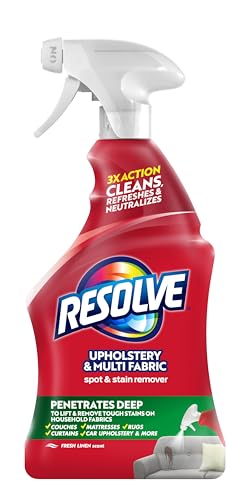
- Stain remover spray for polyester fabric
- Garment steamer for polyester clothing
- Lint roller for polyester fabrics
- Liquid detergent suitable for synthetic fabrics
- Warm water and a clean cloth or sponge
- Optional fabric freshener or lightly scented rinse


Before You Start
Read care labels on the polyester item to confirm washing guidance. Perform a patch test on a hidden seam with the stain remover spray to avoid color change. Work in a well-ventilated area when using any cleaning products. Time estimates vary: plan 15–30 minutes for stain treatment, and 30–60 minutes for washing, drying, and finishing.
Caution: Do not use hot water on delicate blends that specify cold wash. Avoid chlorine bleach on most polyester as it can degrade fibers and cause yellowing.
Step-By-Step: How To Clean Polyester
- Inspect the garment and identify stain areas; note any dye transfer or colorfast concerns.
- Blot excess moisture with a clean cloth without rubbing to prevent spreading the stain.
- Treat stains with stain remover spray for polyester fabric according to product directions; wait the recommended time.
- Rinse the treated area with clean water from the sink or spray bottle to remove residue.
- Place the item in the washing machine with mild detergent and warm water, using a gentle cycle.
- Remove promptly after washing to minimize wrinkling and set-in moisture; air dry or use a low-heat dryer if the care label allows.
- For wrinkles, run a few passes with a garment steamer for polyester clothing at a safe distance to avoid scorching.
- After drying, use a lint roller for polyester fabrics to remove any remaining surface fibers or lint.
- Inspect the garment again; repeat stain treatment only on affected areas to avoid repeated washing.
- Store polyester items in a cool, dry place, away from direct sun to prevent fiber breakdown.
- For delicate or complex items, consider hand washing as a gentler alternative.
Troubleshooting
| Symptom | Likely Cause | Fix | Prevention |
|---|---|---|---|
| Stain remains after washing | Stain set by heat or pigment | Reapply stain remover and wash again; use enzyme-based detergent | Treat promptly; avoid high heat |
| Fabric feels stiff after air drying | Detergent residue or high mineral content in water | Rinse thoroughly; use a second rinse cycle | Use less detergent; consider distilled water rinse |
| Color fades or transfers | Bleach or incompatible dye transfer | Replace with color-safe detergent; avoid chlorine bleach | Always test colorfastness first |
| Wrinkles persist after steamer | Insufficient steaming or fabric tension | Steam slowly with consistent passes; smooth fabric with gloved hand | Do not steam over embroidery or delicate trims |
Common Mistakes
- Using hot water on polyester unless the label permits it, which can shrink or distort fibers.
- Skipping a patch test before applying stain removers to colored fabrics.
- Overwashing, which can wear down fibers and reduce softness over time.
- Rubbing stains aggressively, which can embed pigment deeper into the fabric.
Tips For Best Results
- Pre-treat stains as soon as possible for best results.
- Test any cleaning product on a hidden area before full application.
- Use a low to medium heat setting when drying to preserve elasticity and prevent heat damage.
- Lint removal helps garments look newer; run a lint roller before wear.
- Keep polyester items separate in laundry to prevent snagging with zippers or rough fabrics.
Call A Professional
Seek professional alteration or cleaning assistance if a garment has extensive stains, delicate trims, or if care labels advise professional care. Stop and consult a pro if you notice color bleed, fabric thinning, or heat damage during any treatment.
FAQ
Can I wash polyester in hot water?
Only if the care label allows it; generally warm or cool water is safer to preserve color and fiber integrity.
Is a stain remover spray safe for polyester?
Yes, when used as directed and tested on a hidden area first.
How can I remove lint from polyester fabrics?
Use a lint roller or a low-suction vacuum to lift lint without damaging the fabric surface.
Should I use chlorine bleach on polyester?
No, chlorine bleach can damage polyester fibers and cause color changes; use color-safe alternatives if needed.
Buying Guide
When selecting cleaning products and tools for polyester, consider these factors:
- Stain remover spray for polyester fabric effectiveness on common dyes and oils.
- Compatibility of cleaning agents with synthetic fibers to prevent fiber damage.
- Garment steamer for polyester clothing for easy wrinkle removal without heat damage.
- Quality lint roller for polyester fabrics to maintain a fresh appearance between wears.
- Machine washing compatibility, including temperature ranges and cycle settings.
- Water quality and detergent choice to minimize residue and stiffness.
- Storage and care recommendations that extend fabric life.
Choosing the right combination of cleaners, steamers, and lint tools helps keep polyester garments fresh and durable. Do you prioritize quick touch-ups or a full refresh? The right tools can make either approach simple and effective.
Leave a Reply